
FAST Helmet: Quick Guide to Uses, Protection, and Buying
This guide answers common questions people ask about FAST helmets — from airsoft use to real ballistic protection, accessories, color choices and buying tips. Wherever it makes sense, we’ll note features that matter for both training and operational use.
Is a FAST helmet suitable for airsoft?
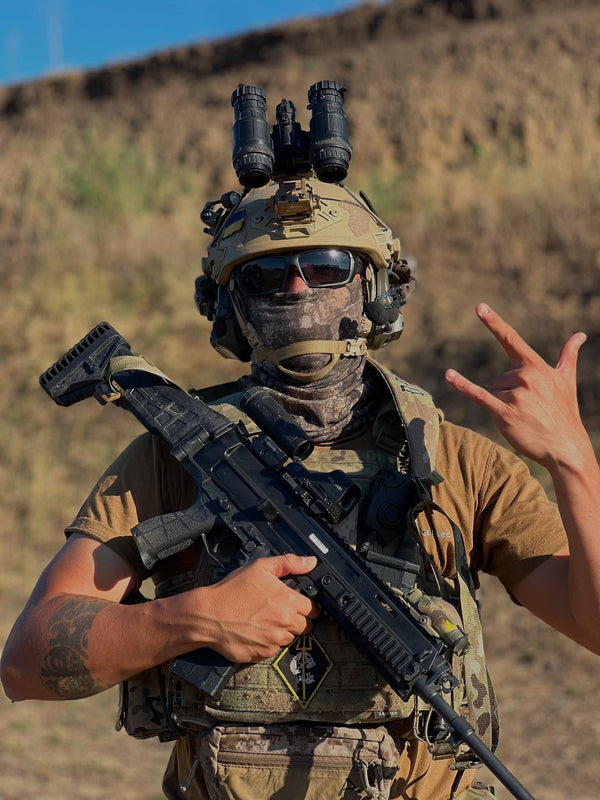
FAST-style helmets are popular in airsoft because of the aggressive cut, accessory rails and compatibility with headsets and NVG mounts. For airsoft play you can use replica shells or lightweight training shells that mimic the look and fit without ballistic protection. If you intend to use a real ballistic helmet for airsoft training, consider the added weight and legal/ethical implications — true ballistic helmets are designed and certified to stop specific threats and are typically restricted for civilian use in some regions.
What does "FAST helmet ballistic" mean — how protective is it?
When a helmet is described as ballistic, it means the shell and materials are tested to resist bullets and fragments to a specified standard. Key points to check:
- NIJ rating — NIJ Level IIIA is a common soft armor/helmet rating that is tested against handgun threats (up to .44 Magnum / .357 SIG-type levels). If a helmet lists NIJ Level IIIA performance, it is designed to meet those test criteria.
- Fragment protection — look for V50 or fragment performance numbers (V50 ≥ 731 m/s indicates strong fragment resistance in testing scenarios).
- Backface deformation (BFD) — BFD < 25.4 mm in testing indicates the helmet limits blunt trauma behind the strike.
For example, a full-featured FAST ballistic helmet may advertise NIJ Level IIIA protection, fragment V50 numbers and specific BFD measurements — all of which matter if your priority is real ballistic performance rather than appearance.
What accessories are compatible with FAST helmets?
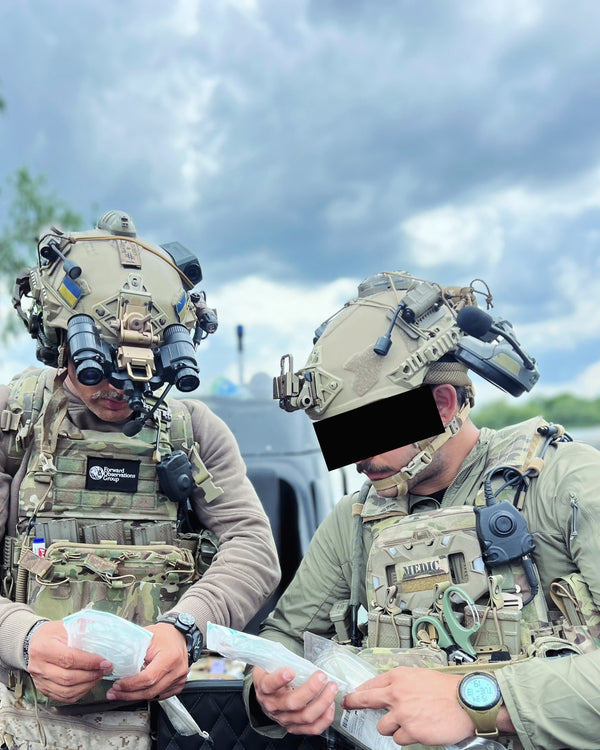
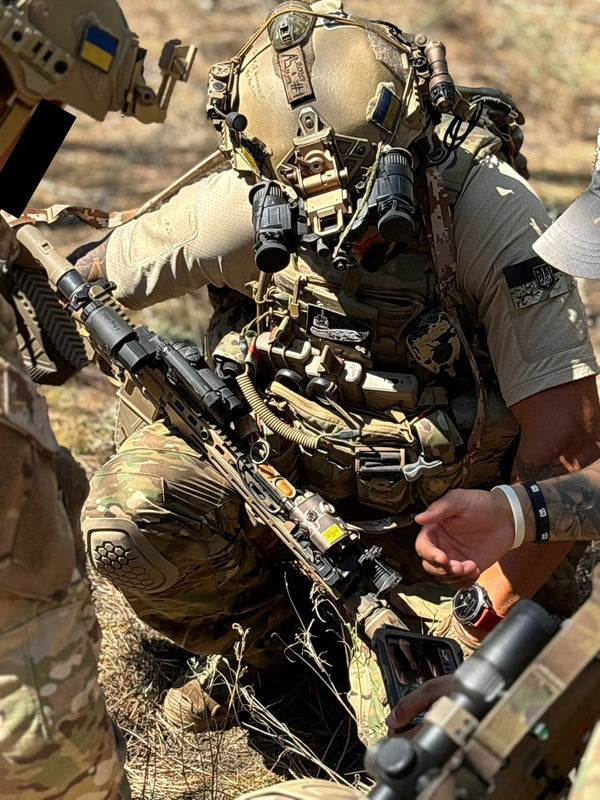
FAST helmets were designed to be modular. Common accessories include:
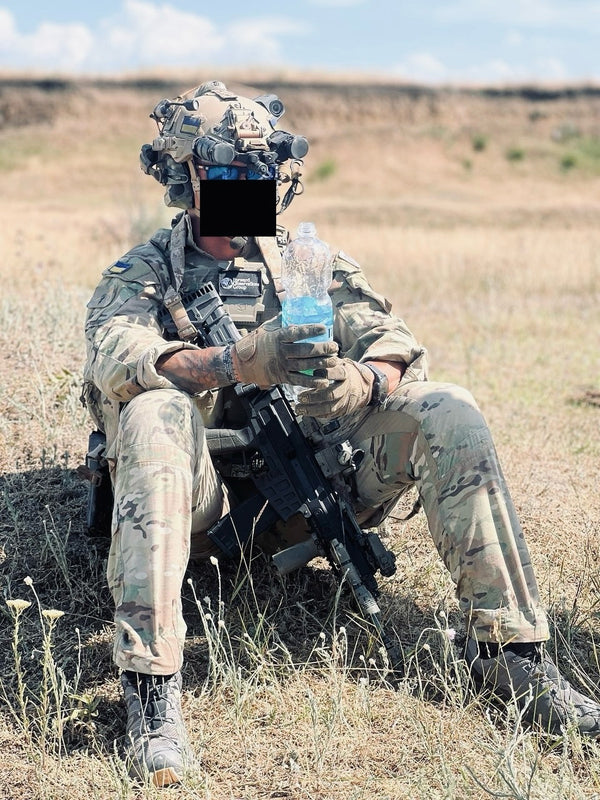
- NVG mounts and shims (night-vision goggle mounting platforms)
- Helmet-mounted lights and visors
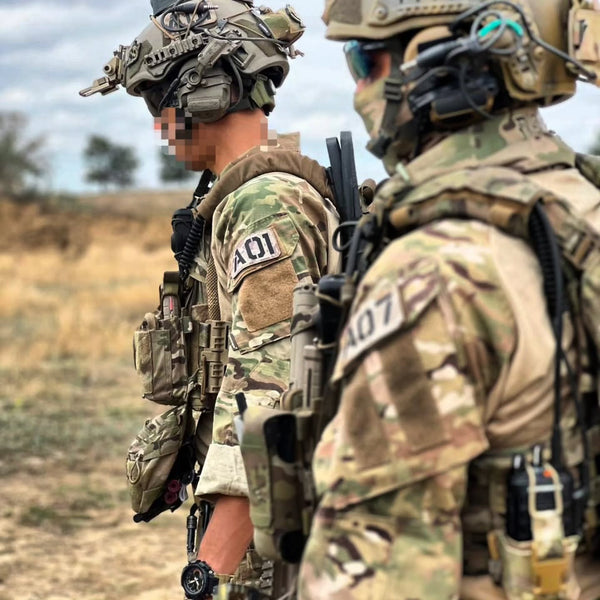
- Communications headsets (active protection headphones) that clamp to the rails or use adaptor hardware
- MOLLE or tactical covers for cable management, patches and small pockets
- Counterweight pouches or battery pockets for heavier NVG setups

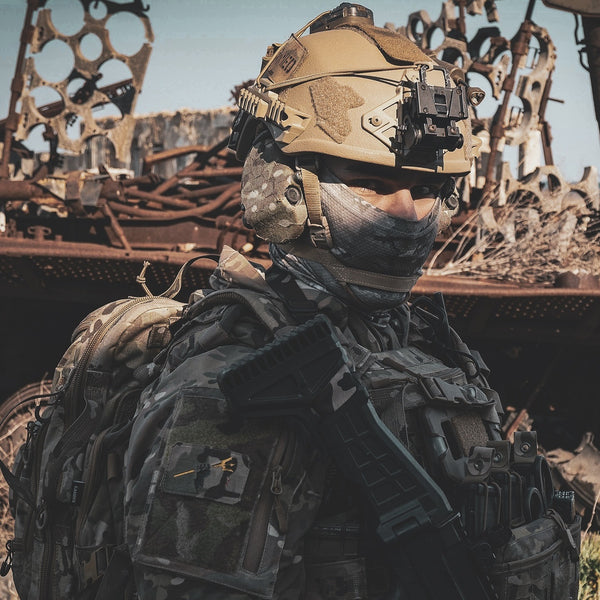
When buying accessories, confirm your helmet has accessory rails and a compatible mount footprint. A good ballistic FAST helmet will include base side accessory rails and a mounting cutout for NVG devices — this ensures many off-the-shelf accessories will fit.
Should I get a FAST helmet in black or another color like Ranger Green?
Color choice depends on intended use:
- Black — classic and versatile for law enforcement, security or urban environments.
- Ranger Green, Coyote, Multicam — better for woodland/desert or tactical units wanting camouflage integration.
- Visibility & unit ID — many teams add patches or high-visibility tabs depending on their operational needs.
Beyond aesthetics, consider whether the helmet’s cover system and MOLLE panel support patches and counterweights. A modular tactical cover with Velcro and a pocket for batteries or weights makes swapping colors and adding gear much easier.

Is buying a FAST helmet on eBay safe? What should I check?
Buying on marketplaces like eBay can be convenient, but exercise caution:
- Verify the seller’s reputation and read reviews. Look for military/LE surplus dealers or established tactical suppliers.
- Confirm the helmet’s certification and exact model. Genuine ballistic ratings should reference NIJ standards and include test documentation where applicable.
- Inspect photos for integrity: intact retention hardware, rails, and no visible damage to the shell or ballistic layers.
- Ask about the helmet’s age, use history, and whether it has been involved in any impact incidents — ballistic materials can degrade over time or from hard impacts.
Fit, comfort and retention — what to look for
Comfort and proper fit are essential for extended wear and to maintain the helmet’s protective posture:
- Retention system — look for adjustable, quick-adapt retention that conforms to different head shapes.
- Pads & liners — antimicrobial, water-resistant pads improve comfort and hygiene; removable pads are easier to clean.
- Weight — a full ballistic FAST helmet typically weighs around 1.45–1.65 kg depending on size and accessories; this affects fatigue during long missions.
Example features to prioritize when selecting a real FAST ballistic helmet
- NIJ Level IIIA certification or equivalent ballistic testing documentation
- Fragment V50 and BFD data when available
- Stainless steel hardware with durable coatings for rails and mounts
- Integrated rails, NVG cutout, and a comfortable retention system
- Accessory-ready design (rail, mounts), and a tactical cover with MOLLE/Velcro for patches and counterweights
Quick product note
If you’re looking for a ready-built option that combines NIJ IIIA ballistic protection, accessory rails, an advanced retention system, a multifunctional helmet light and a durable tactical cover in Ranger Green, consider .

Final tips
- Decide first whether you need a ballistic-certified helmet or a replica for training/airsoft.
- Try the helmet on with the accessories you plan to use (headset, NVG, cover) to confirm fit and balance.
- Keep documentation and serial numbers when purchasing a true ballistic helmet — this helps with service life tracking and resale value.
With the right combination of fit, certification, and accessory compatibility, a FAST helmet can serve both protective and operational needs effectively.