




Blender™ Ballistic FAST Helmet Guardian Kit NIJ IIIA – Ranger Green
Blender™ Ballistic FAST Helmet Guardian Kit NIJ IIIA – Ranger Green
Ready to Ship
Taxes included. Free Shipping
Helmet Sizing Chart
Helmet Sizing Chart

Couldn't load pickup availability

Shipping information
Shipping information
To simplify customs procedures, we ship our ballistic helmets in separate parcels. This helps minimize additional customs costs — in most cases, duties are symbolic or completely absent. Shipping to all countries is free of charge — we cover the cost ourselves
Ballistic Tests
Ballistic Tests
Blender Tactical ballistic helmets are designed to provide reliable protection against the most common real-world threats, including fragmentation, handgun rounds, and blunt impact.

The helmets are built in accordance with NIJ STD 0106.01 — Level IIIA, meaning they are engineered to stop typical handgun threats such as 9×19 mm, .44 Magnum, and .357 SIG. These are the most common ballistic risks encountered in operational environments.
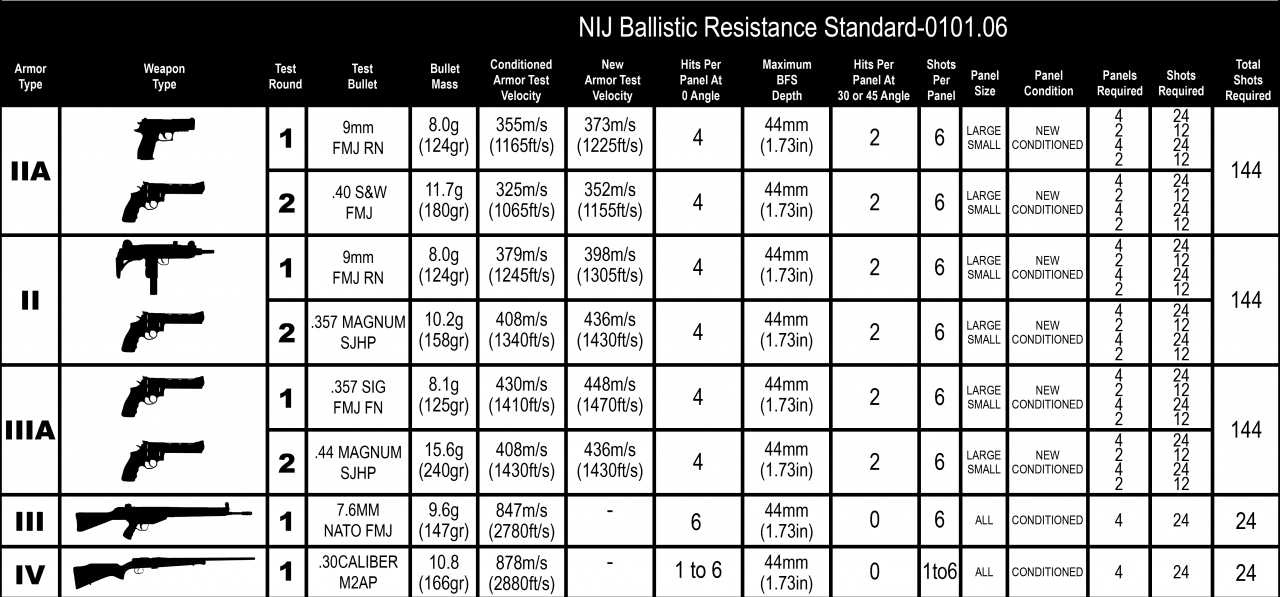
For fragmentation protection, the helmets are tested under NATO STANAG 2920, the NATO methodology used by military suppliers. Test results show a fragmentation resistance of approximately 695 m/s (V50) using a 17-grain projectile — a performance level aligned with modern combat helmets.
Additional validation is performed under DSTU 8835:2019 — Class 1A, confirming resistance against 9mm Makarov and Stechkin rounds, reflecting real battlefield conditions in Ukraine.

The helmet shell is constructed from UHMWPE composite, providing a high strength-to-weight ratio and effective energy absorption while maintaining low weight.
The multi-layer structure is designed to reduce blunt force trauma and works best when combined with trauma pads, keeping Backface Deformation (BFD) below 44 mm.
Each helmet is engineered for multi-hit capability (minimum 4 impacts) under controlled test conditions, ensuring consistent performance in repeated threat scenarios.
With an areal density of 10.1 kg/m², the helmet achieves a balance between protection and mobility, avoiding unnecessary weight while maintaining ballistic performance.
Ballistic Test Reports
All performance claims are supported by documented testing:
- Ukraine Ballistic Test Report
- Poland STANAG 2920 Fragmentation Test
- Additional independent validation
Specifications are based on controlled laboratory testing. Real-world performance may vary depending on conditions.
Helmet Sizing Chart
Helmet Sizing Chart
Trusted by real operators
Trusted by real operators
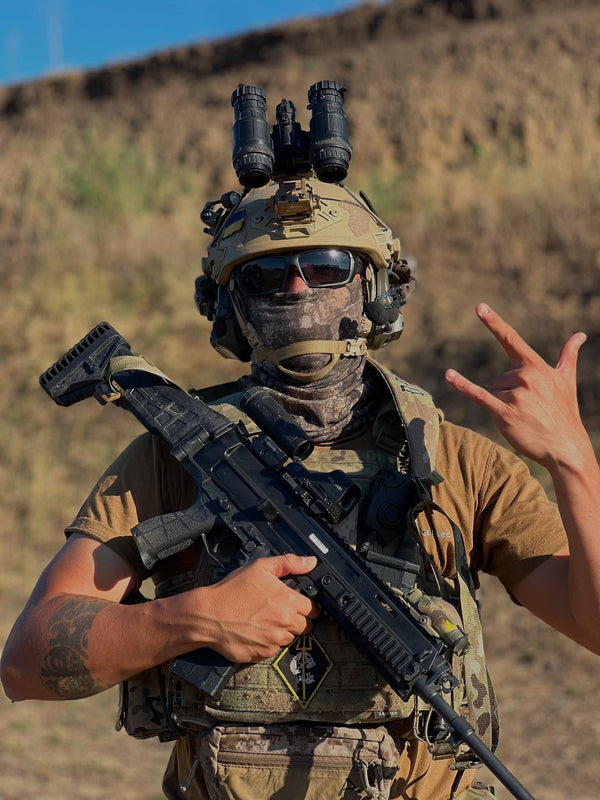
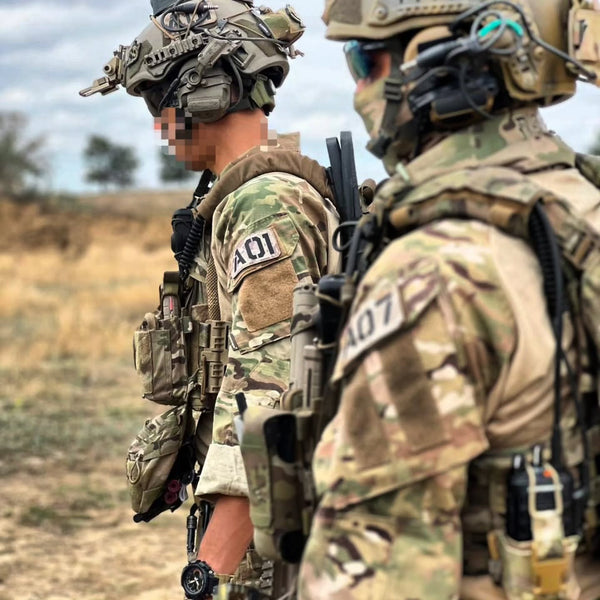
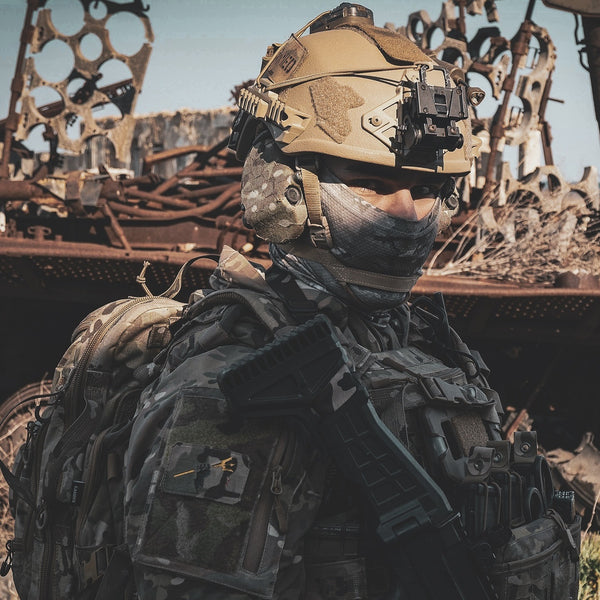
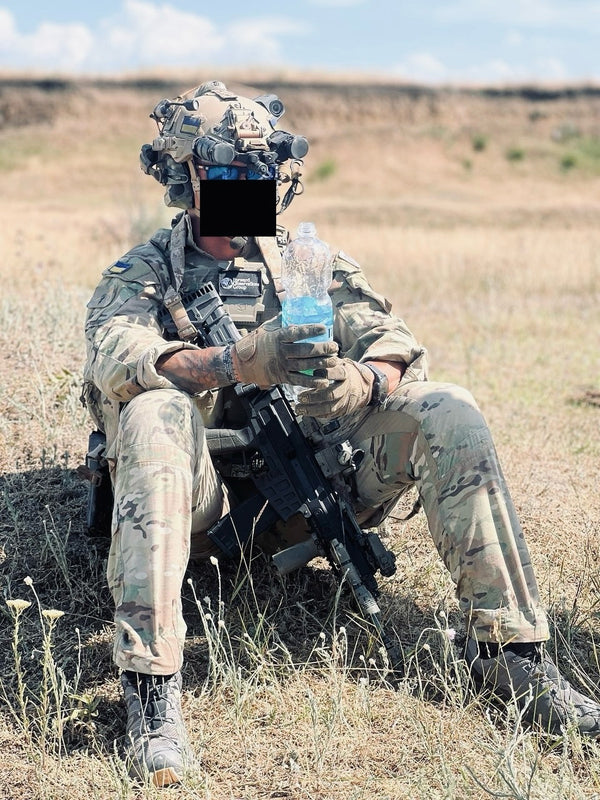
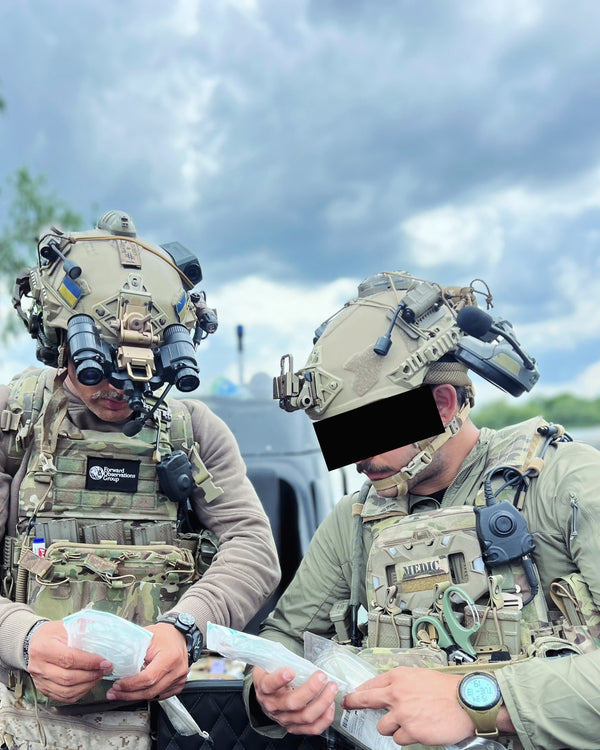
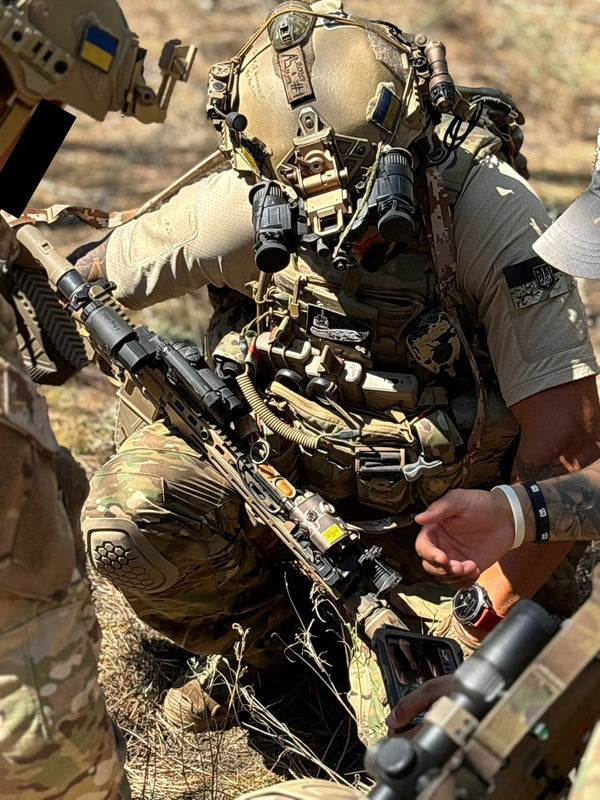
Each helmet has repeatedly proven its reliability and saved the health of many Ukrainian soldiers. Our specialists assembled each helmet with due regard for all the specifics of the components. Before shipping, we thoroughly test our products to ensure that our customers are confident in the quality and reliability of the purchased equipment.
If you have any questions, don't hesitate to email us. We will promptly provide advice and help you find exactly what you need.
Blender Tactical - Born to Protect

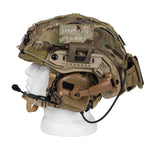
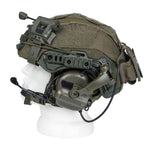
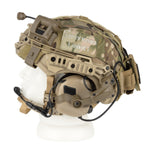
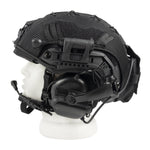
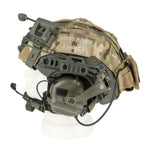
Blender™ Ballistic FAST Helmet Guardian Kit NIJ IIIA – Ranger Green
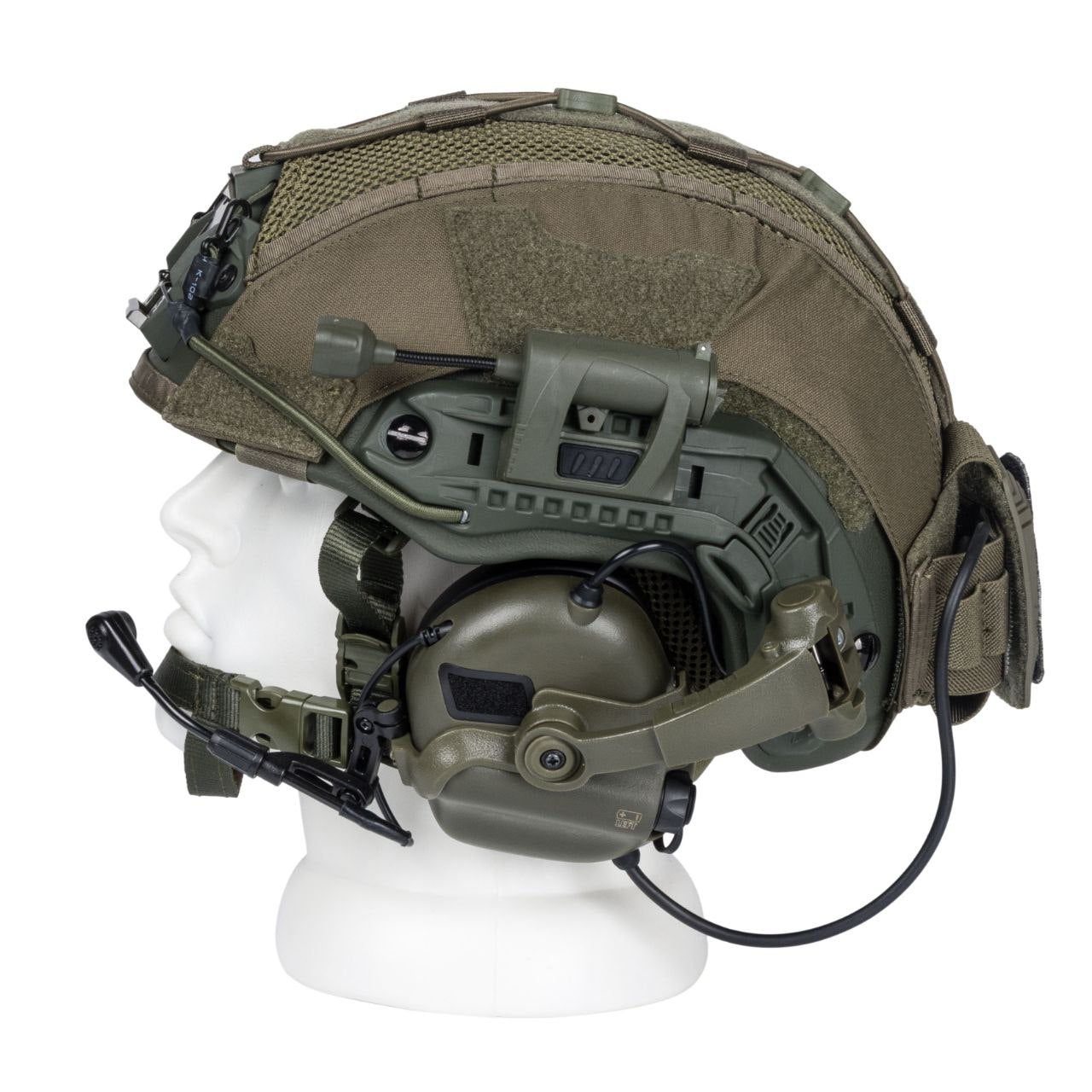
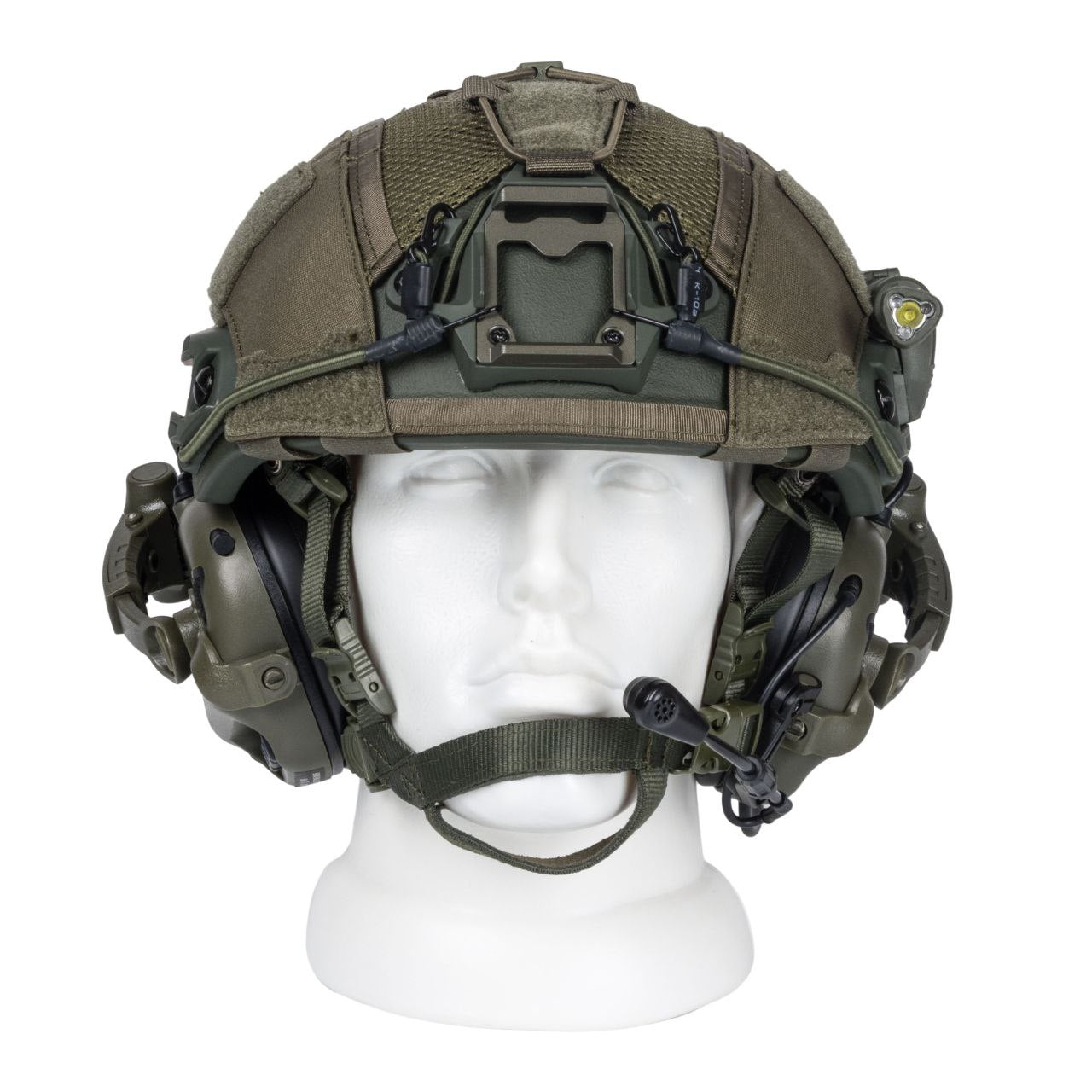
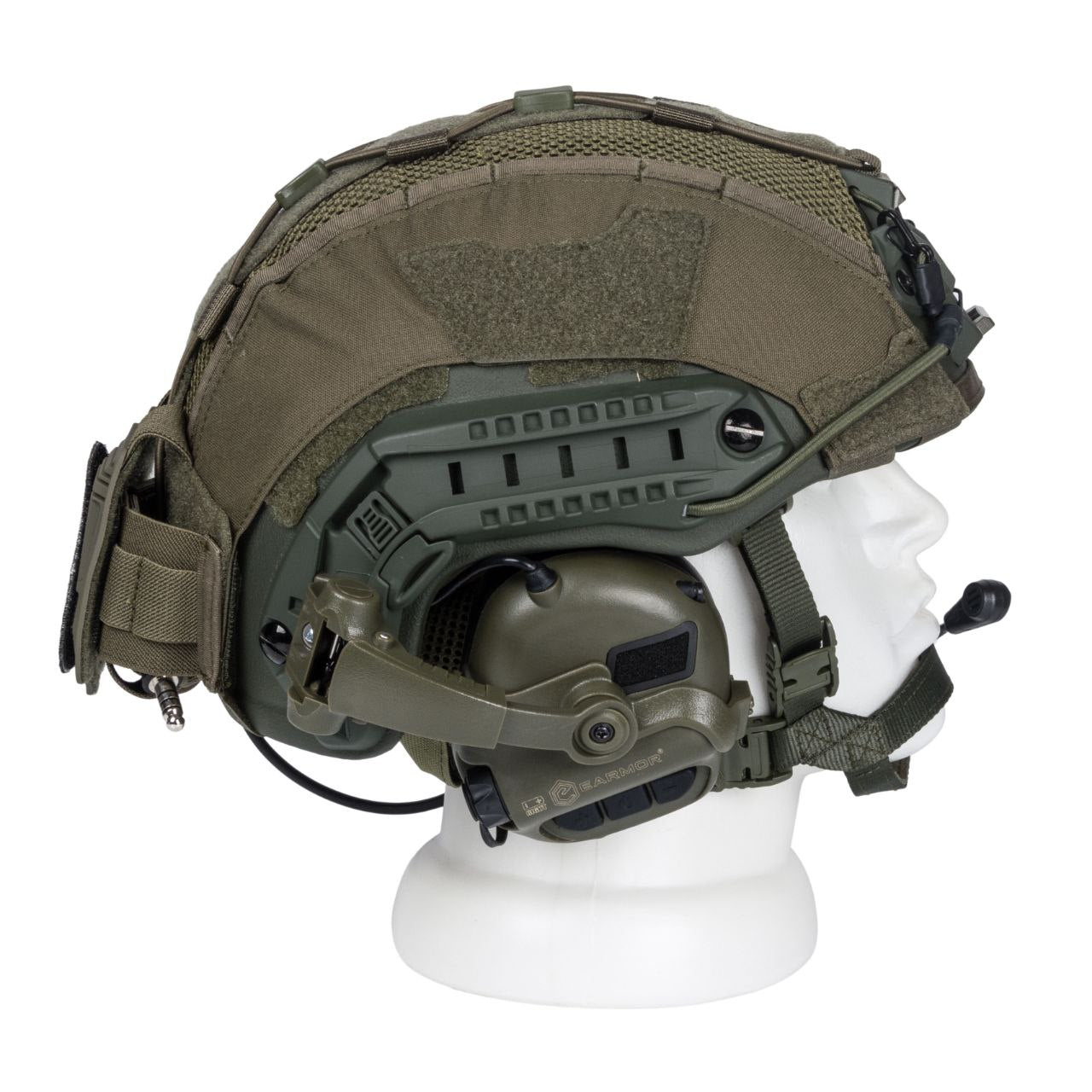
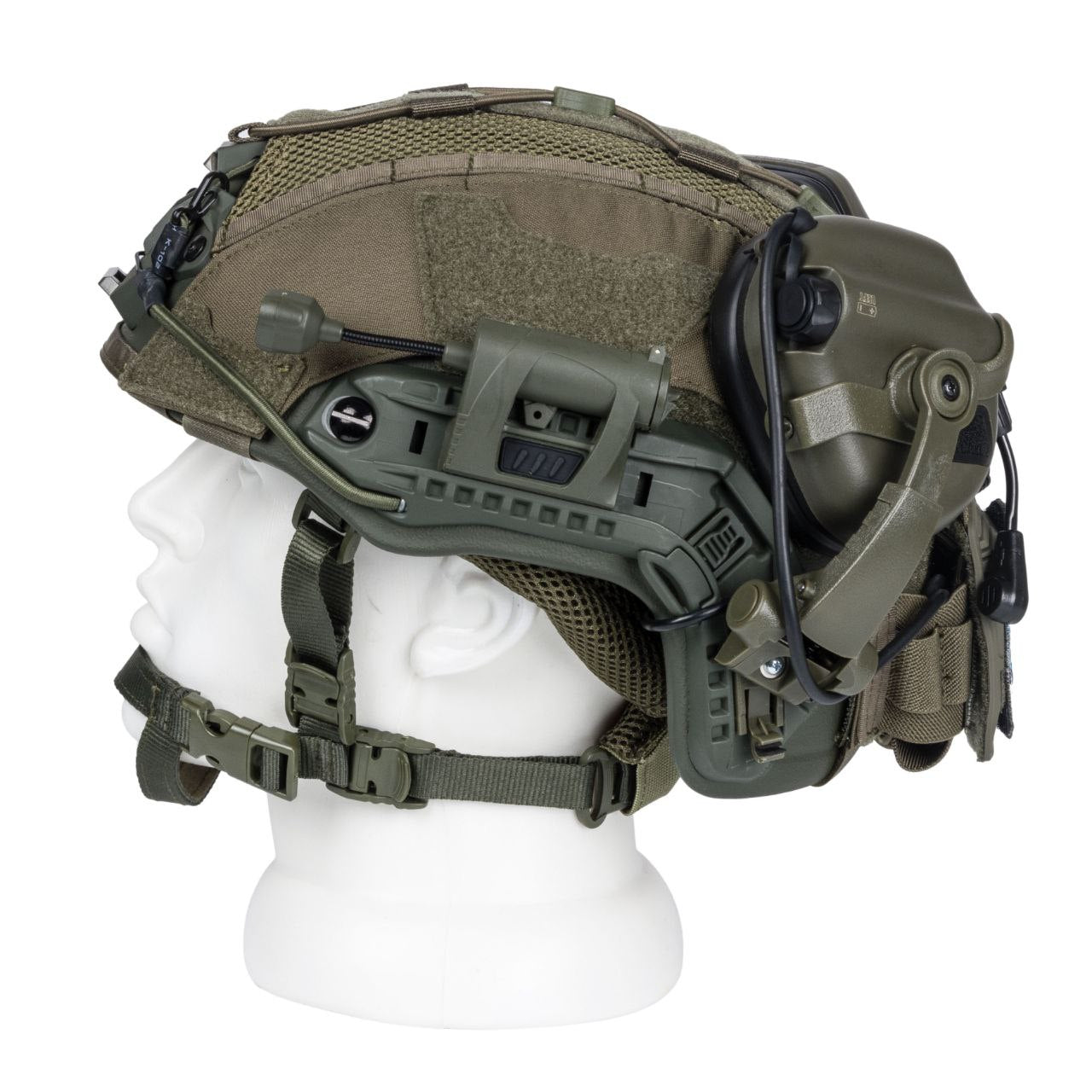
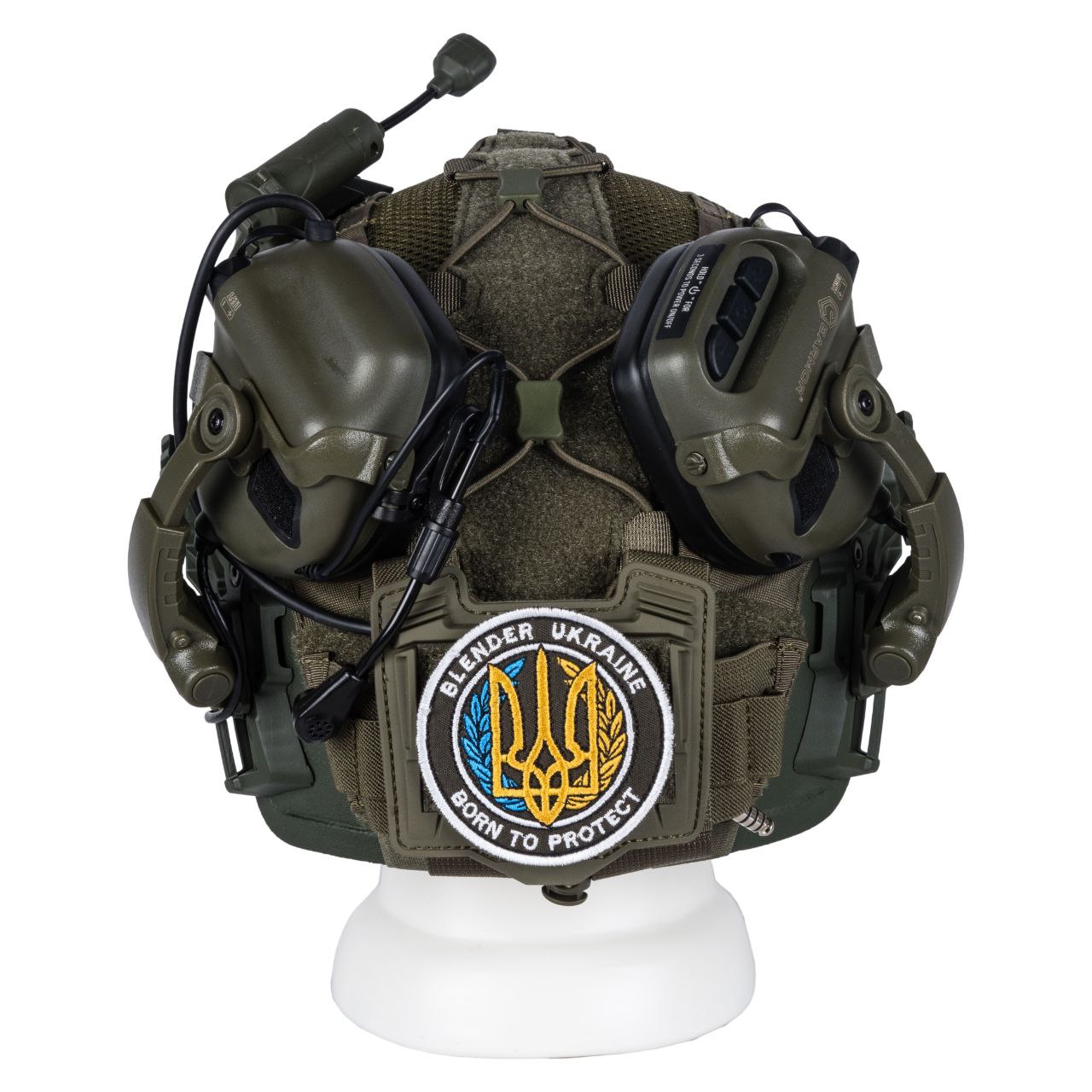
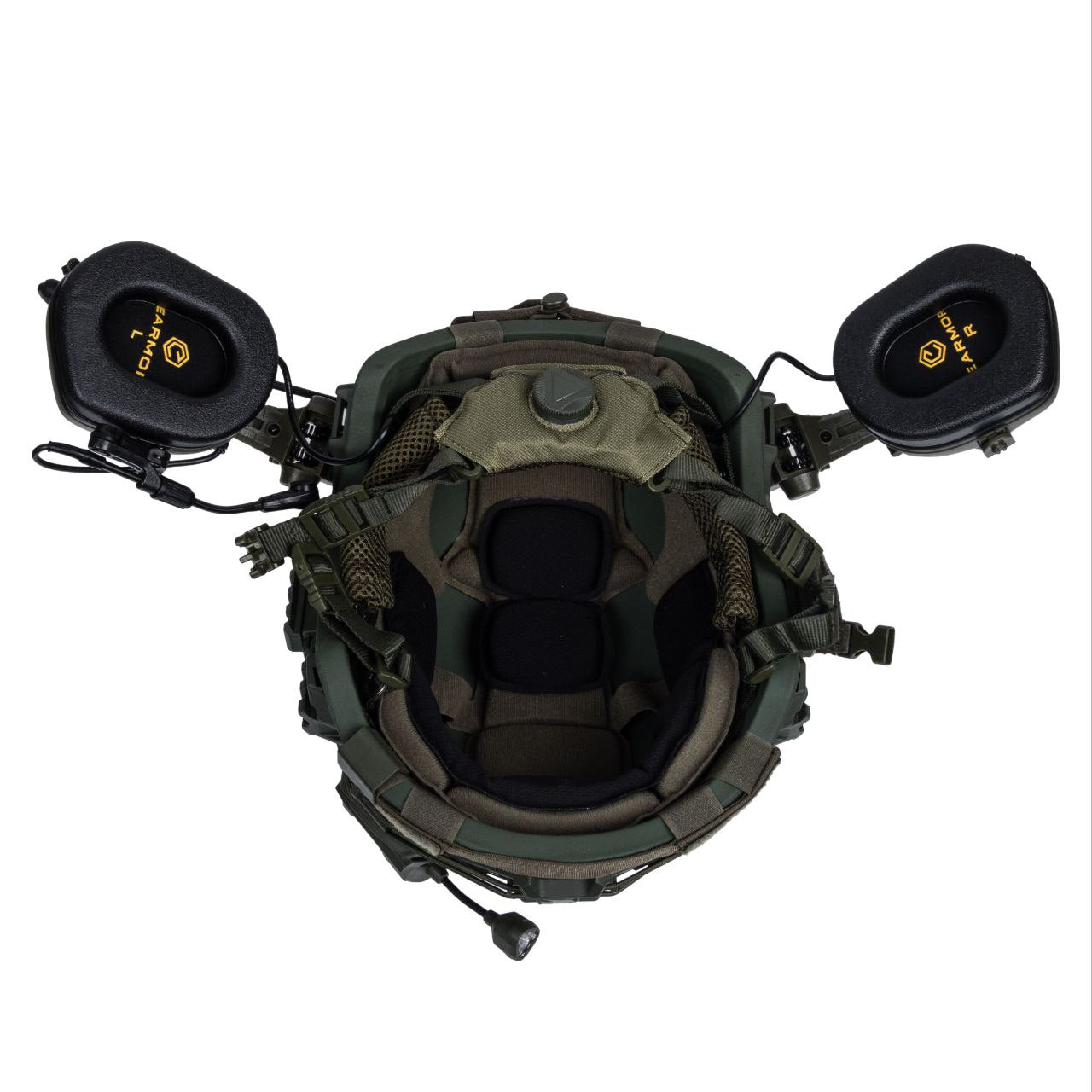
Helmet Set Components:

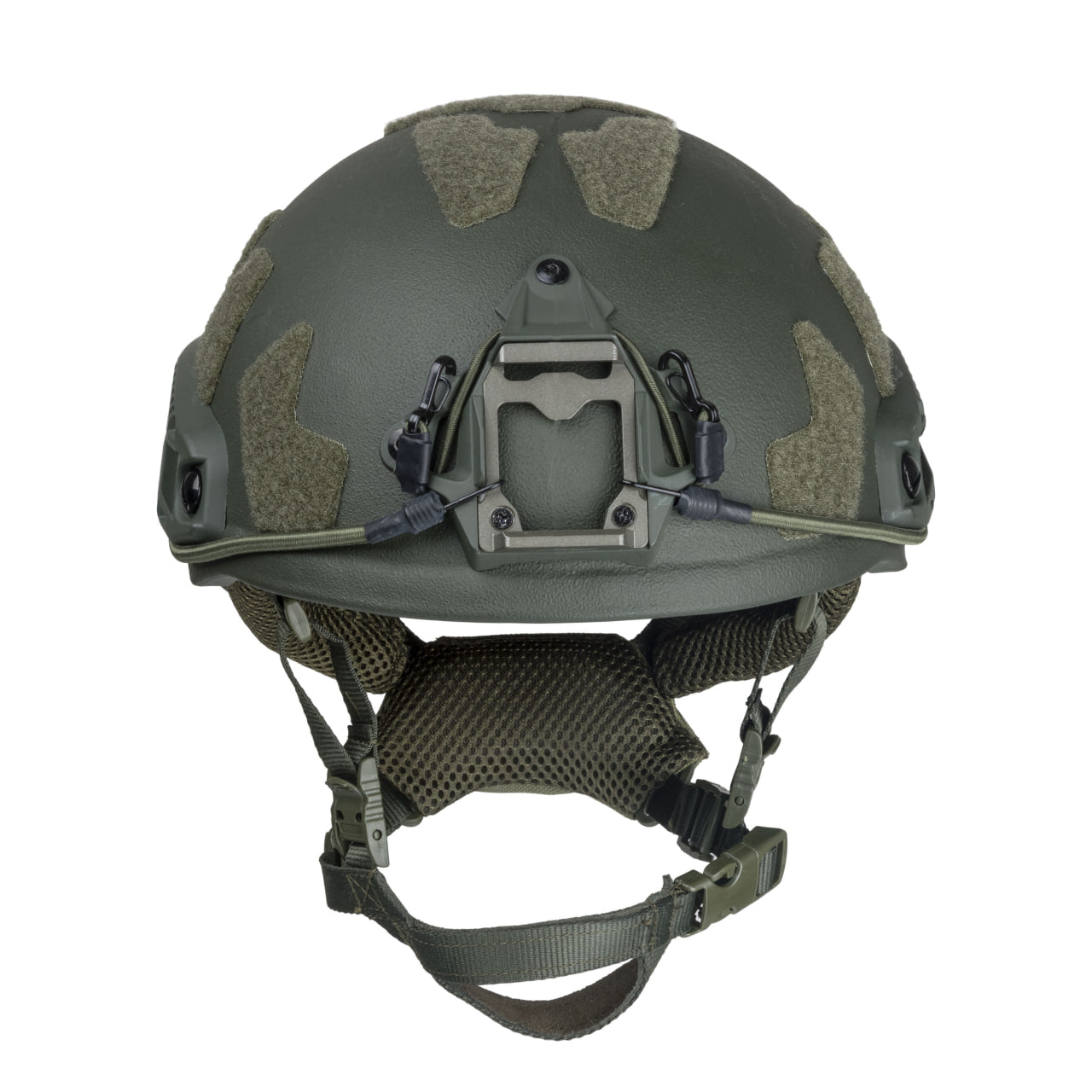
Blender™ Ballistic FAST Helmet NIJ IIIA – Ranger Green Tactical
- High-cut shell compatible with active tactical headphones and other tactical equipment
- Ballistic Performance: NIJ Level III-A (according to NIJ STD 0106.01/0108.01) Fragment Performance: 17gr V50 ≥ 731 m/s (2400 ft/s) Backface Deformation: 9mm FMJ RN @ 425 m/s (1400 f t/s), BFD < 25.4 mm all locations
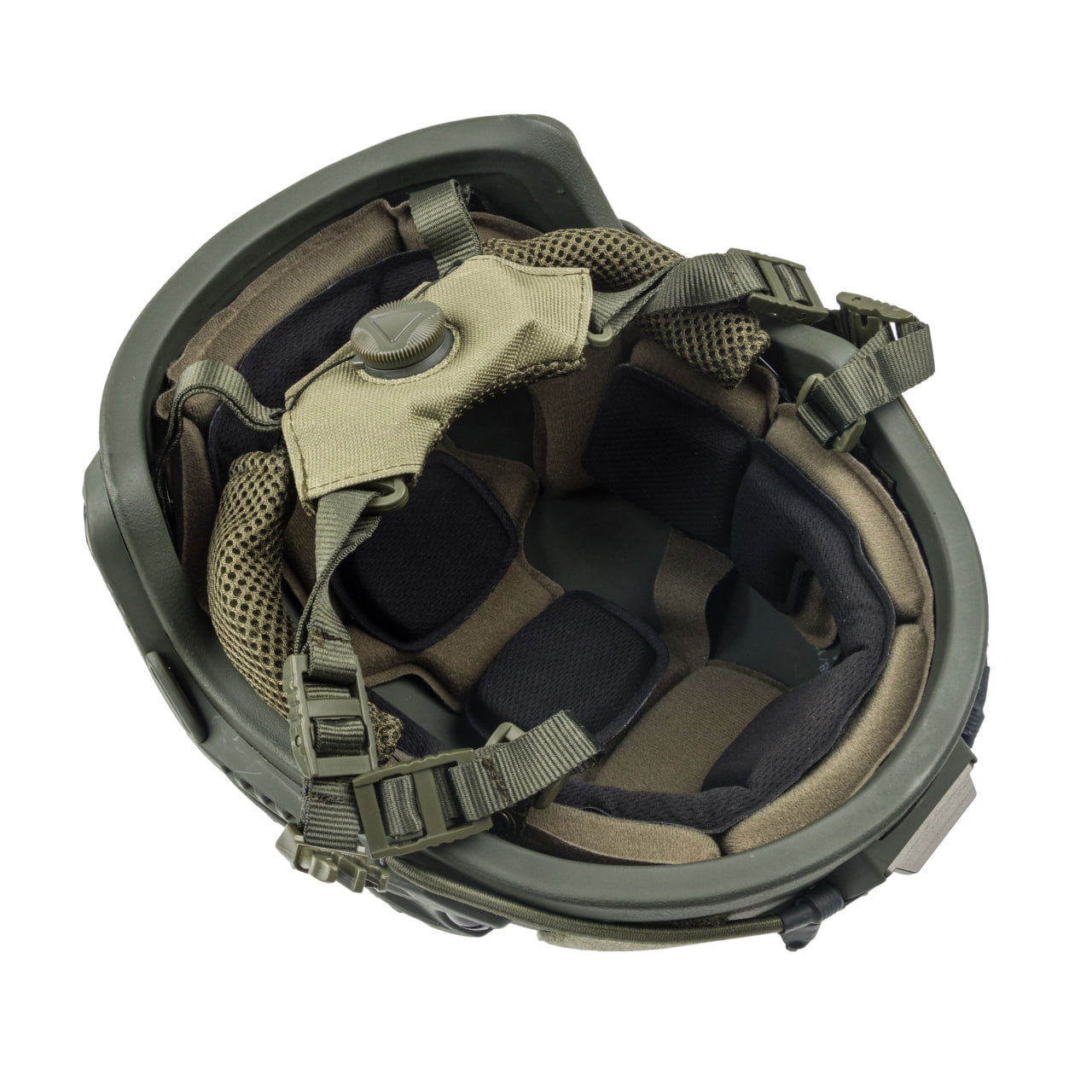
- Innovative retention system with the ability to quickly adapt to individual head shapes
- Hardware: Stainless steel with MIL-DTL-13924D black oxide coating
- Base Side Accessory Rails
- Comfort Pads: Proprietary water-resistant film and antimicrobial wicking fabric covering
- Helmet weight: 1.45 - 1.65 Kg

Earmor M32X Plus Active Hearing Protection
- NRR: 22 dB, 3 levels of ambient sound amplification
- Removable boom mic, <1 ms sound cutoff
- SNR: 27 dB, voice low-battery warning
- Power: 2× AAA, up to 500 h runtime
- Auto shut-off after 2 hours
- MIL-STD-461F EMC tested
- IP68 microphone & sealed battery compartment
- Includes Spider System helmet mounts (ARC rails)
- Weight: ~335 g with batteries
- Operating temp: –20°C to +55°C
- 3.5mm AUX input for PTT/radios

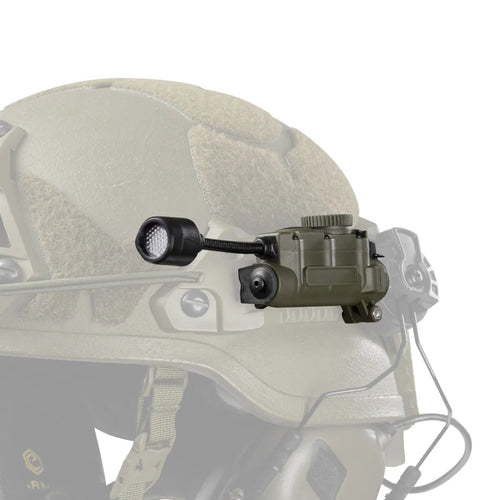
MPLS Charge Tactical Helmet Light – Ranger Green
- Light source: 1x Maxbright LED (white), 3x Ultrabright LED (1x red, 1x green, 1x IR)
- Luminous flux: 55 lumens
- Maximum lighting duration: 46 hours
- Maximum light range: 30 m
- water resistance: Level 2 (equivalent to IPX7)
- Weight: 47 g with batteries
- Power supply: CR123A battery

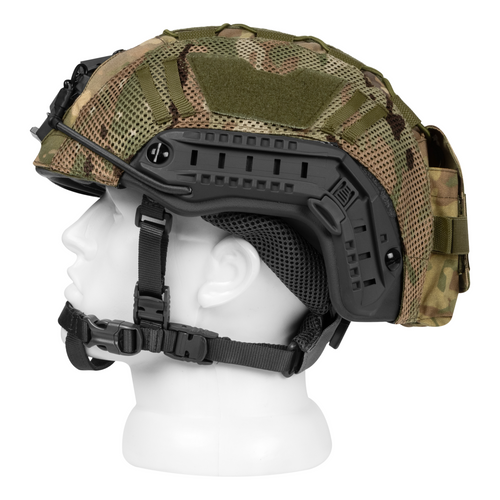
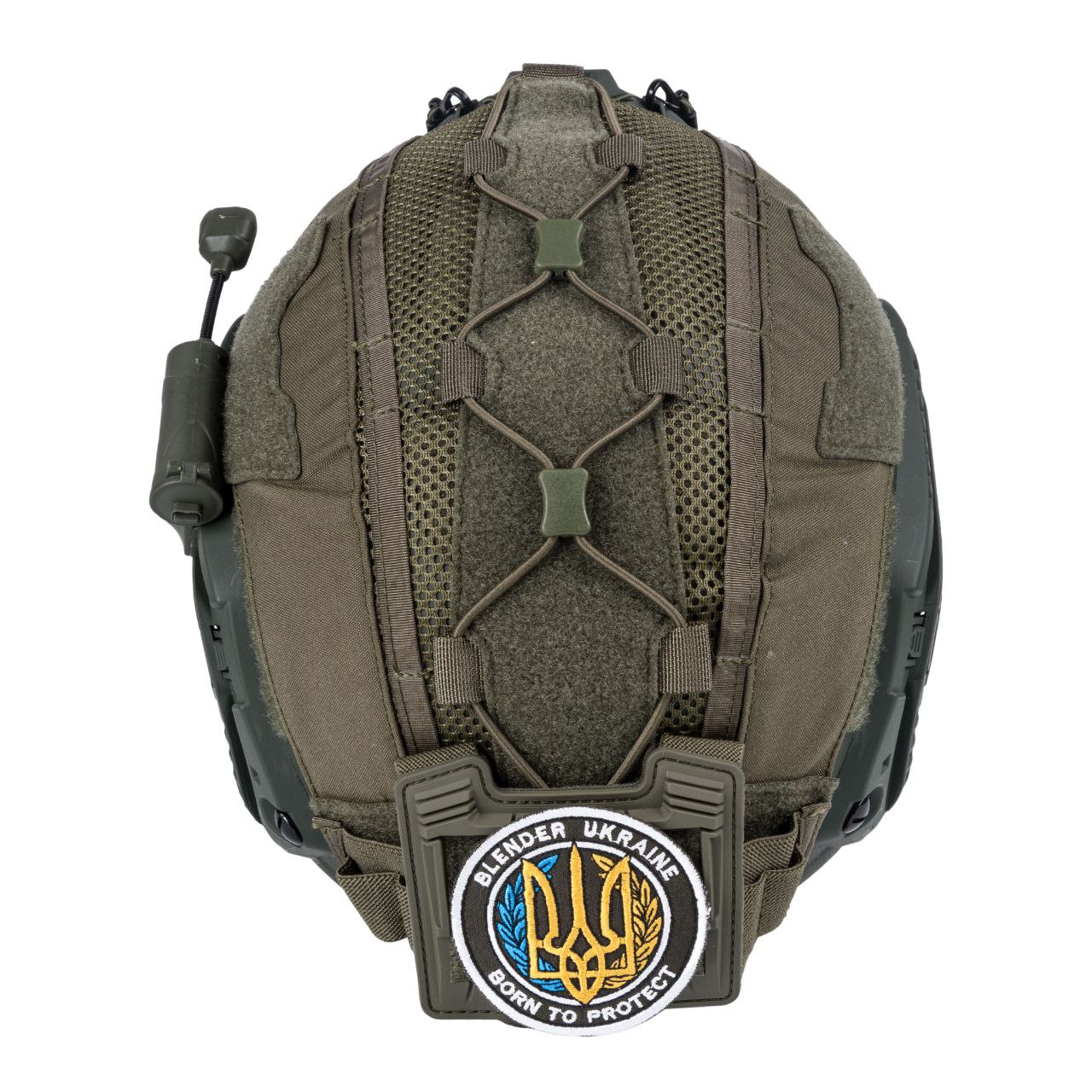
IDOGEAR Tactical Helmet Cover with NVG Battery Pouch
- Made of Cordura 500D nylon
- Upgraded MOLLE system and Velcro fastener with crossing cords
- Panel in the center for patches and patches
- Attaches to the helmet with Velcro fasteners
- Pocket for counterweights or batteries
- Cutout for mounting under the EMP, which provides for the removal of the cover without removing the device
- Weight: 0.14 Kg



Kit Components
Everything included in this battle-tested tactical setup

Blender™ FAST Helmet NIJ IIIA – Ranger Green Tactical

Earmor M32 Plus Tactical Communication Headset - Foliage Green

MPLS Charge Tactical Helmet Light – Foliage Green

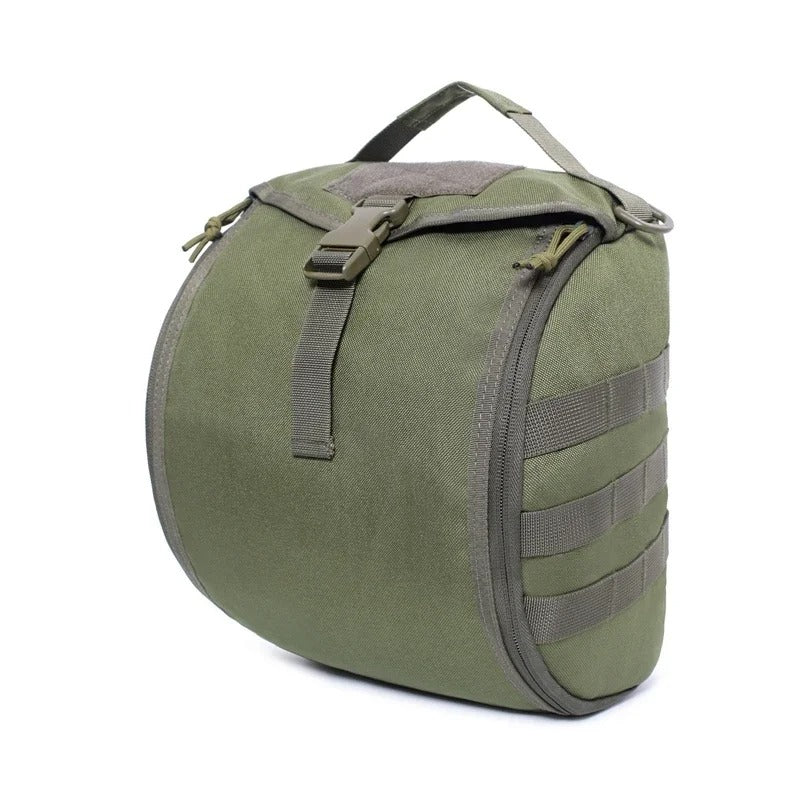
IDOGEAR Tactical Helmet Cover – Ranger Green (Maritime Fit)

Earmor M16A Helmet Rail Mount Adapters for M31 Plus & M32 Plus - Ranger Green

Cat Eyes Patch – Ranger Green, Glow in the Dark

Embroidered Patch "Blender Ukraine – Born to Protect"
Why Blender Tactical?
Our helmet kits are built for real-world use — not showroom shelves.
We focus on proven materials, proper ergonomics, and full compatibility with modern tactical gear.
Unlike most competitors, our kits come fully equipped, so you don’t pay extra for essential accessories.
Trusted by thousands of professionals, Blender Tactical delivers real value without compromises.
|
Others | |
|---|---|---|
Price |
||
Innovation |
||
Material Quality |
||
Reviews & Reputation |
||
Compatibility with Other Devices |
||
Warranty & Support |


Join the Brotherhood
Trusted by 15,000+ soldiers worldwide
Bundle deal🔥