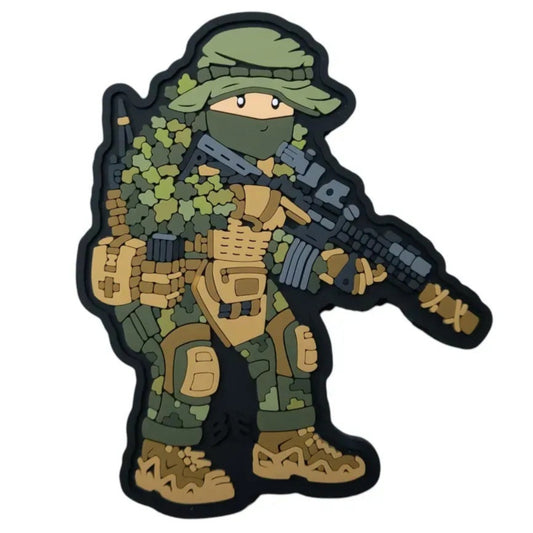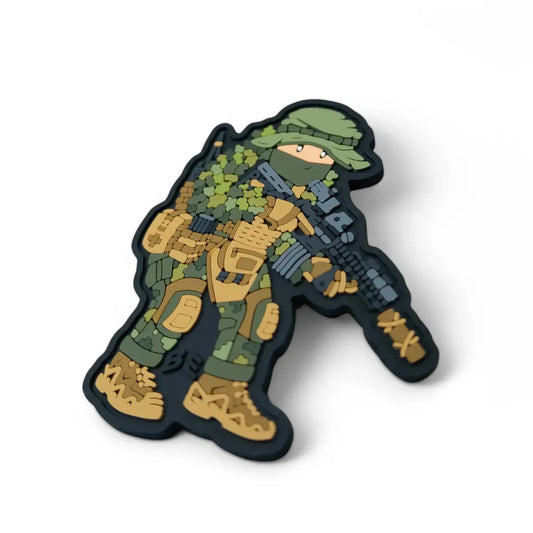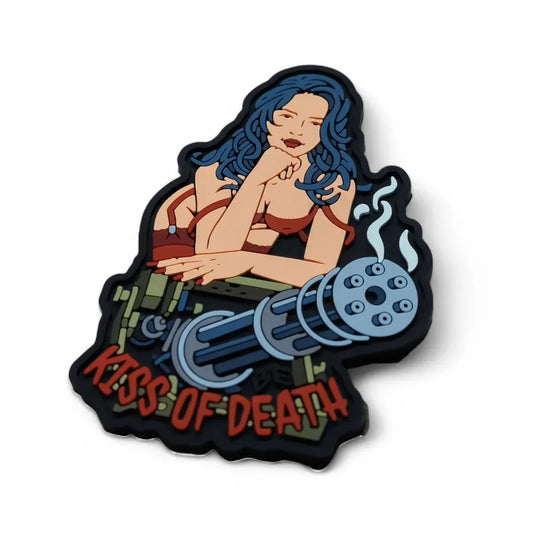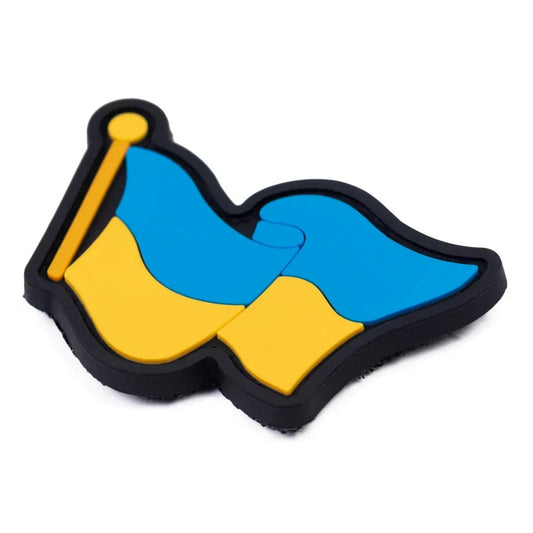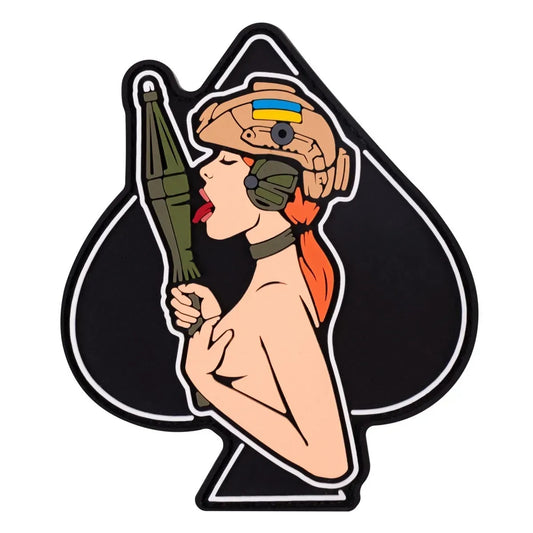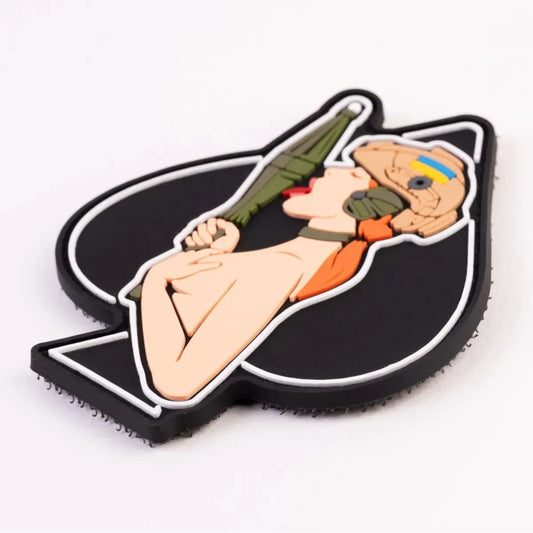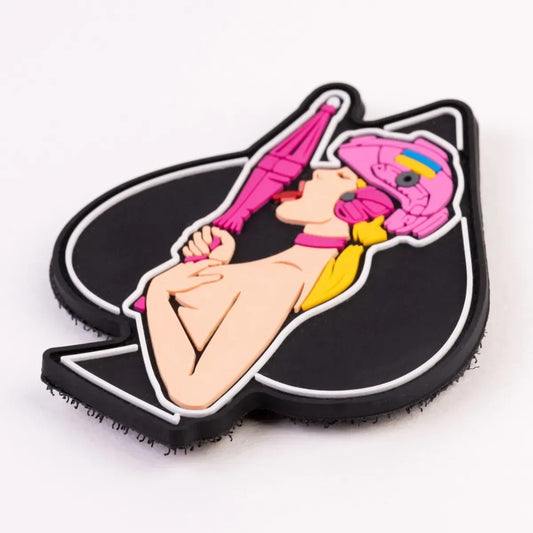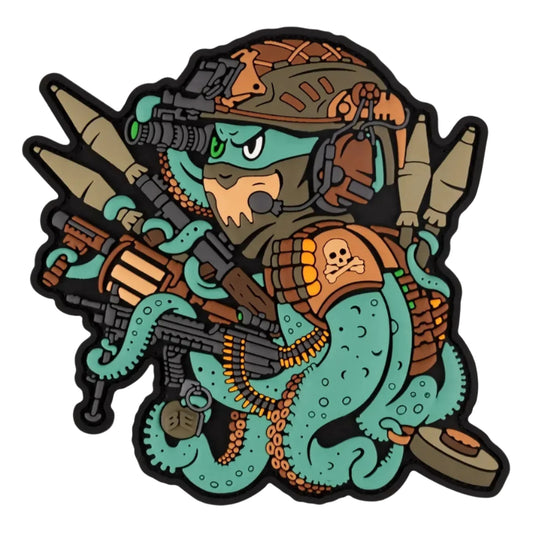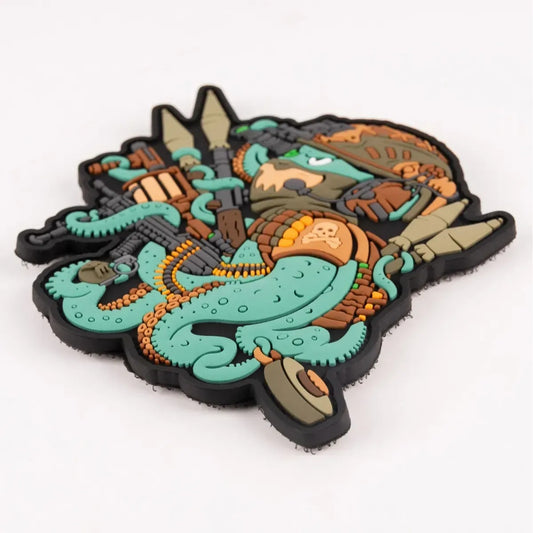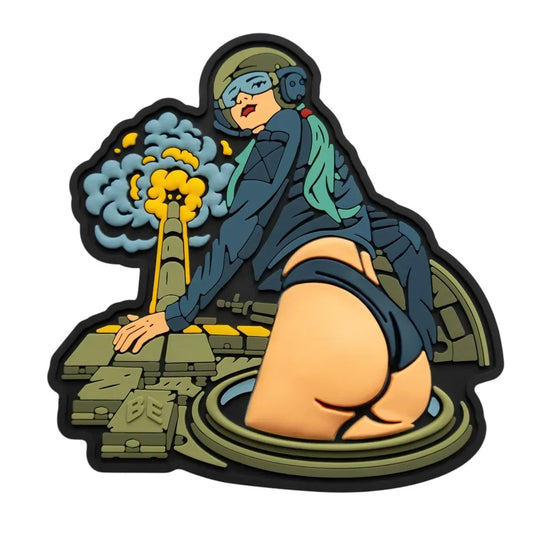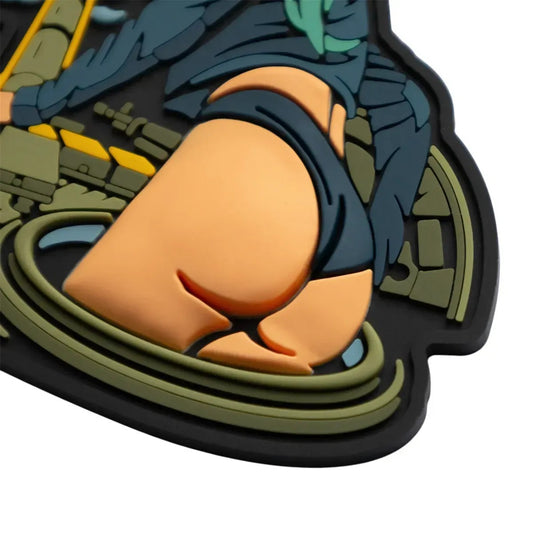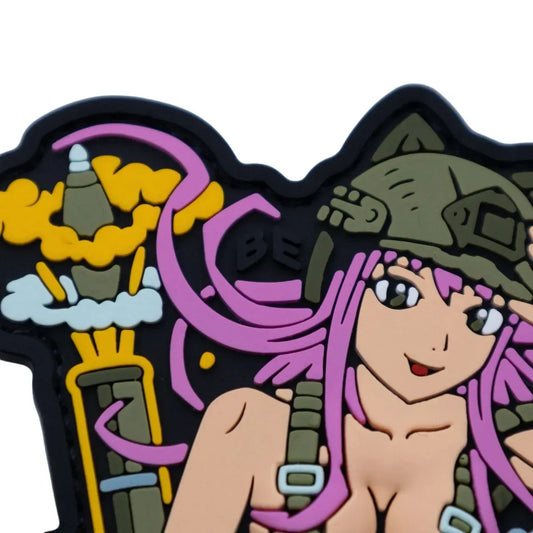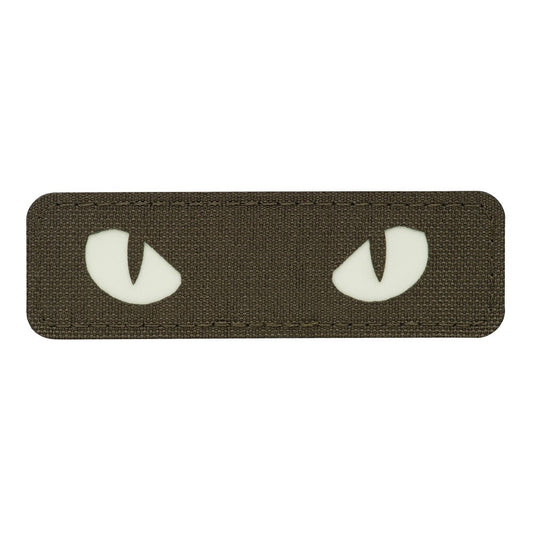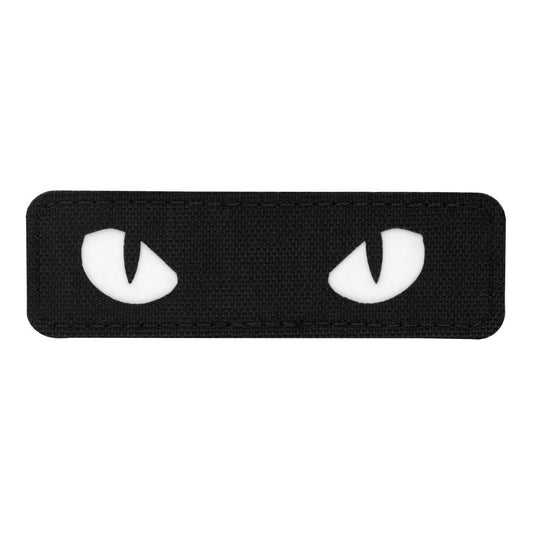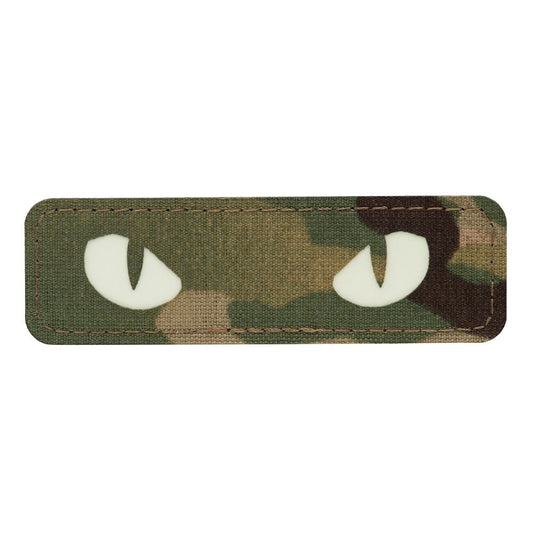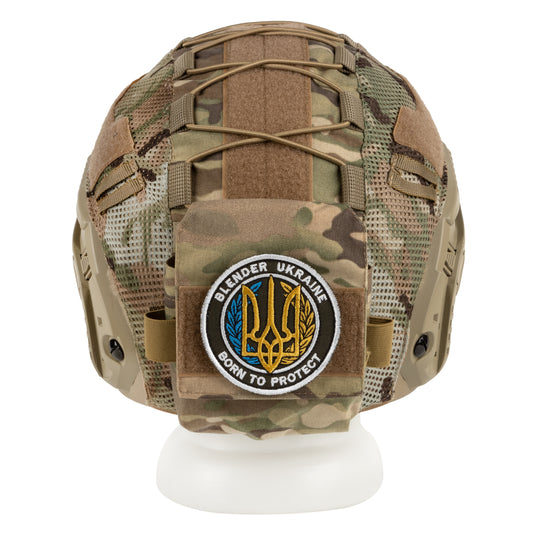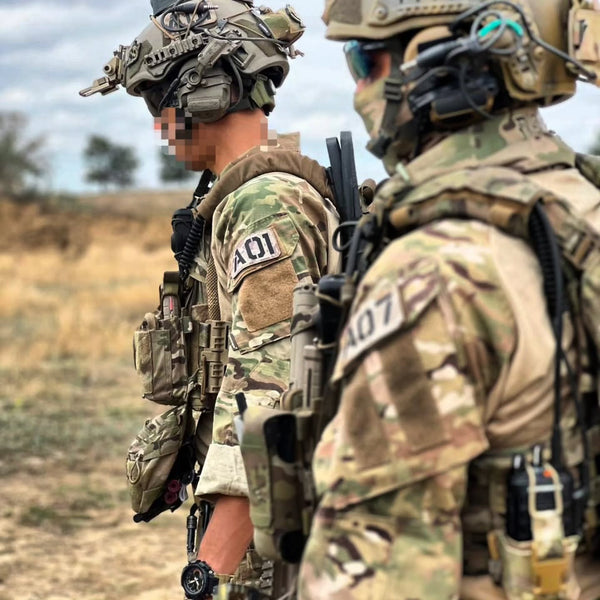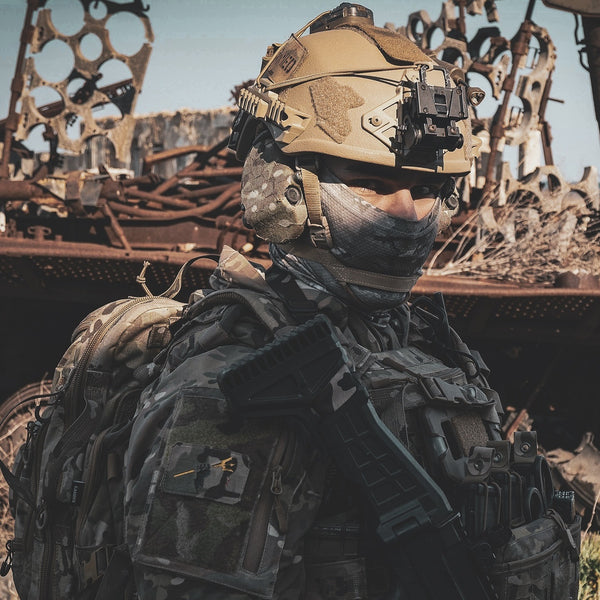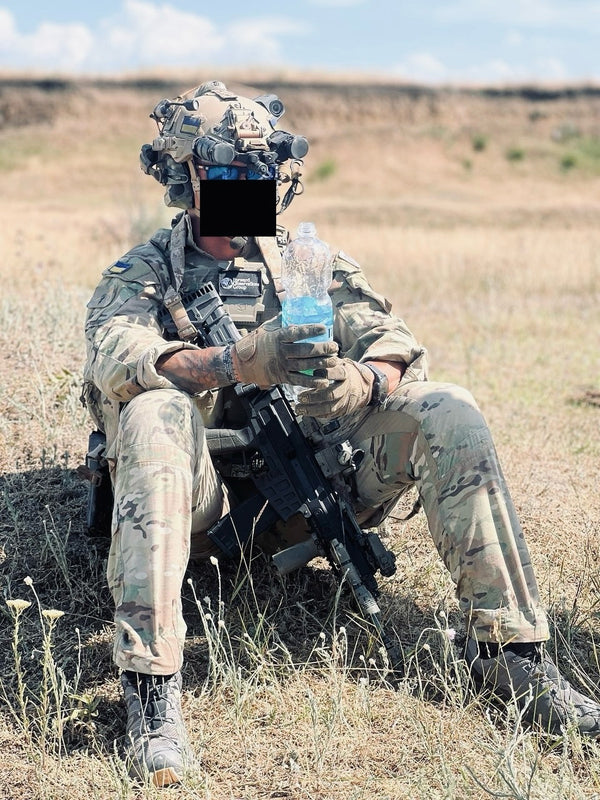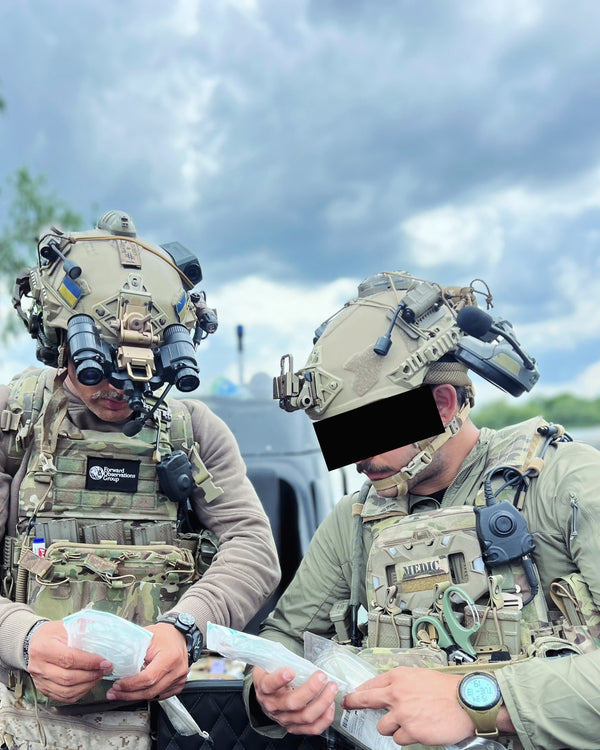

Patch Collection

A diverse collection of patches with unique designs to suit any style or occasion.

FAQ

Find answers to common questions about our products and services
No — the hook side of a velcro-backed patch only grips the loop fabric of your vest's velcro panel, it doesn't adhere to or mark the base material itself, so removing a patch after months on your gear won't leave residue or damage the weave. If a patch has been on through heavy rain or mud, we'd just recommend brushing the panel clean before attaching the next one

Grip strength doesn't really degrade with more patches, since each one only needs its own patch of loop fabric to hold onto — the real limit is visual and practical, not mechanical. Most people find 3-5 patches per panel keeps the layout readable and leaves room to still see straps or MOLLE slots underneath

Right now we carry the designs shown in the collection rather than producing custom one-off patches to order — if you're looking for a specific unit insignia or personal design that isn't in our current lineup, we'd suggest checking back as we do expand the range, or let us know what you're after.

For normal wear, training, and movement, the velcro hold is solid enough that patches don't come loose on their own — rain and mud don't affect the grip either, since it's a mechanical hook-and-loop bond, not adhesive. If you're in a role where a patch coming off is unacceptable (uniform regs, extreme conditions), a sewn-on patch is still the more permanent option, but that's a different product than our velcro-backed ones.

Our patches are embroidered rather than PVC, which means they handle sun exposure and repeated washing/brushing better over time without cracking or fading the way some PVC patches can — the trade-off is embroidered patches show dirt in the stitching more visibly, so occasional brushing keeps them looking sharp

Military patch: more than a simple uniform accessory

Collection and wearing of military patches has become much more than a way to identify units – it’s a lifestyle for gear enthusiasts and civilians who love tactical equipment. From military velcro patches on vests, helmets and backpacks to humorous designs that show personality, modern patches are both practical and expressive. This guide looks at the main types of patches military users choose today, how to use and care for them, and how to build your own collection.

A military patch stopped being “just part of the uniform” a long time ago. It can mark unit, role, mission, mindset or simply your sense of humour. Every patch carries a story and a meaning, often connected to a specific unit, deployment or operation.

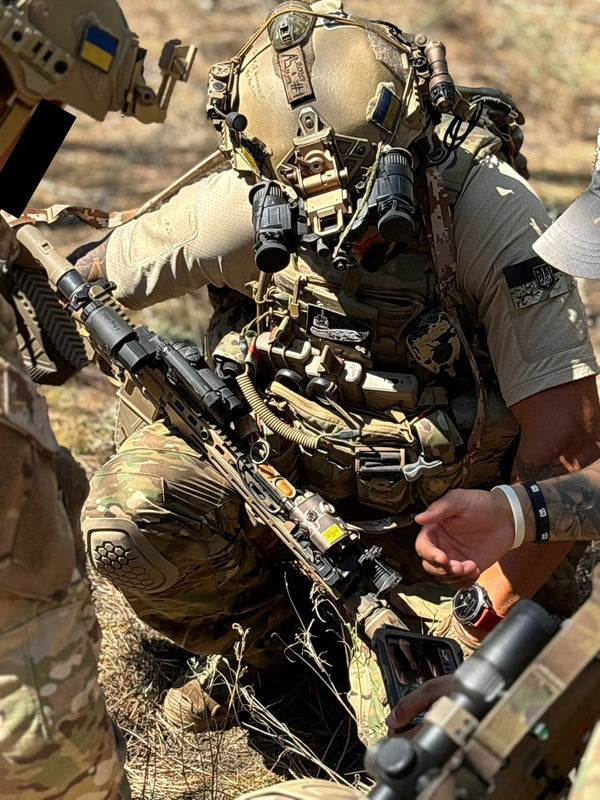
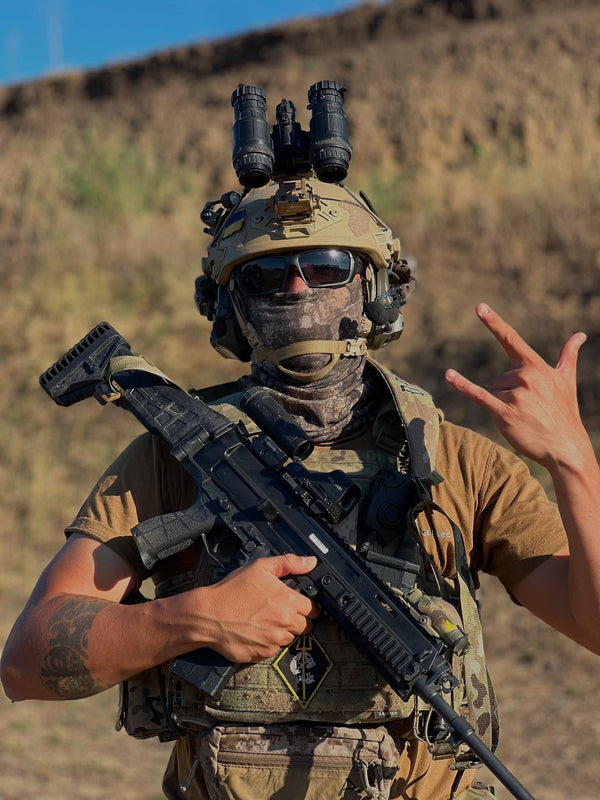
Even with today’s high-tech gear, patches still matter. They help distinguish one setup from another and make an operator or shooter instantly recognisable to their team. Thanks to military patches velcro backing, they are easy to attach and remove, which keeps them relevant on modern plate carriers, tactical vest patches, helmets and range bags. You can switch patches in seconds as your role, mood or environment changes.

Some designs focus on identity and cohesion – a classic tactical patch with unit insignia – while others are pure morale: tactical patches with jokes or artwork that keep spirits up in the field. Together they form a visual language that mixes tradition, humour and personal history.

Different types of military velcro patches

Today’s market offers a wide range of military patches for sale. From simple flags to full-colour artwork, each type serves a different purpose.

Before choosing your next patch, it helps to understand the main categories:

  • Patch scratch / patch velcro militaire – hook-and-loop backed military velcro patches for vests, helmets and backpacks. They can be moved, rotated or removed without damaging the gear.

  • Velcro panels on backpacks, plate carriers and helmets – dedicated zones where tactical velcro patches adhere securely without interfering with buckles, straps or MOLLE.

  • Placement planning – a tactical patch should not cover pockets, pouches or sling points. Good placement keeps your gear functional and the design clearly visible.

For collectors, velcro-backed tactical patches velcro are ideal: they attach easily to patch panels on bags, display boards or range book covers, letting you rotate your favourite designs without sewing anything.

Choosing the right patch for your loadout

The best patch for you depends on what you want it to say. A single military patch can be about identification, pure decoration or quiet humour.

  • Clarify your goal. Do you need visibility and recognition on the range, or do you want a morale piece that only teammates will understand? A funny design or “morale” patch adds character without breaking the tactical look.

  • Match colours and style. Try to keep your tactical patches in line with your camouflage pattern, plate carrier and other gear so the whole setup looks intentional, not random.

  • Mix serious and fun. It’s common to run a unit or flag patch on one shoulder and a humour patch on the other. That way you stay identifiable while still showing personality.

Remember that velcro-backed tactical vest patches are made to be swapped: you can rebuild your layout for a different mission, competition or airsoft game in a few seconds.

Caring for and collecting your tactical patches

Proper care keeps your military velcro patches looking sharp for years. Dust, mud and loose threads on the hook-and-loop can shorten their life if you ignore them.

Use a soft brush to remove dirt from the embroidery and gently clean the velcro side so it keeps its grip. When you’re not using them, store your tactical patches velcro on a spare velcro panel, in a dedicated patch book or in small pouches so the hooks don’t catch on other fabrics.

To build a collection – whether for real-world service, range days, airsoft or just everyday carry – start with a few basic tactical patches you’ll wear all the time. Then gradually add rarer designs, mission-specific artwork and humour patches that remind you of people, places and stories.

Collecting military patches isn’t only about filling a wall or a backpack panel. It’s also about sharing experiences with other gear nerds, swapping designs, and remembering the moments behind each small piece of fabric.