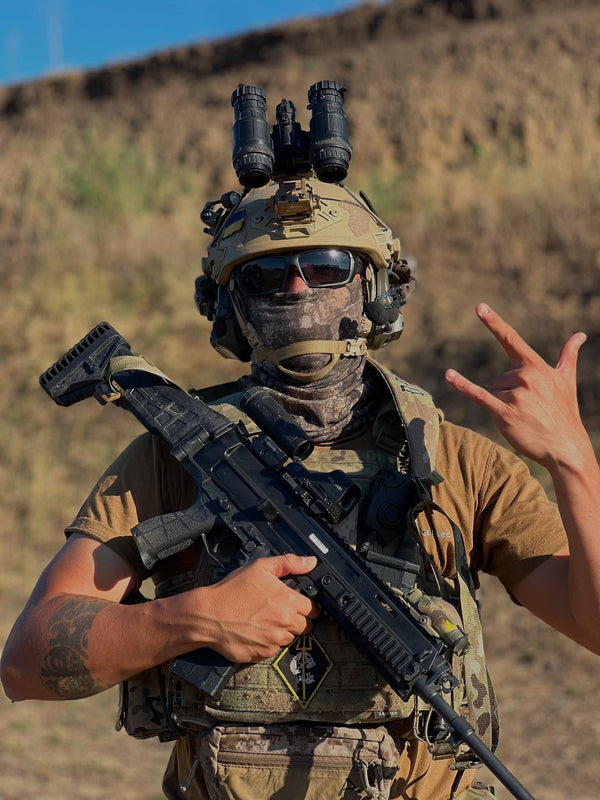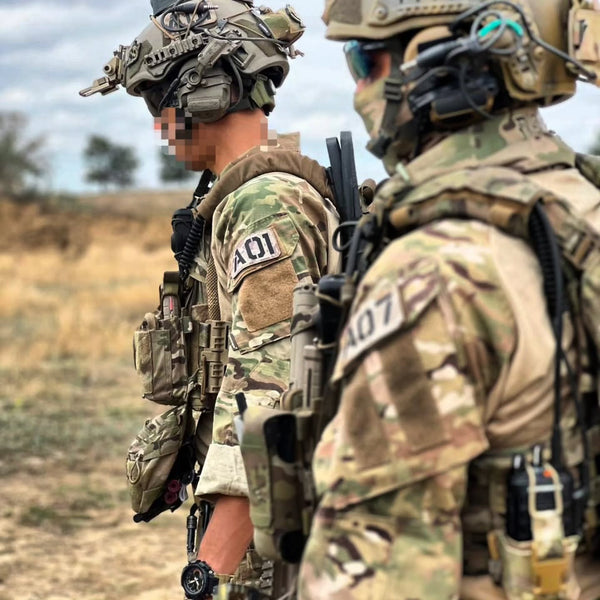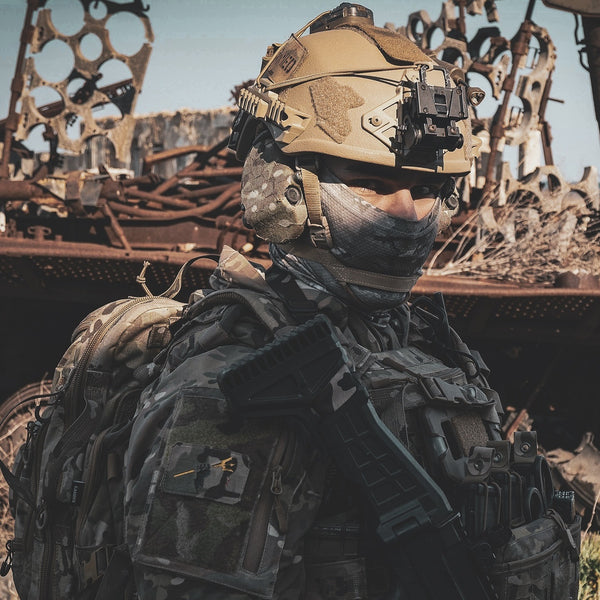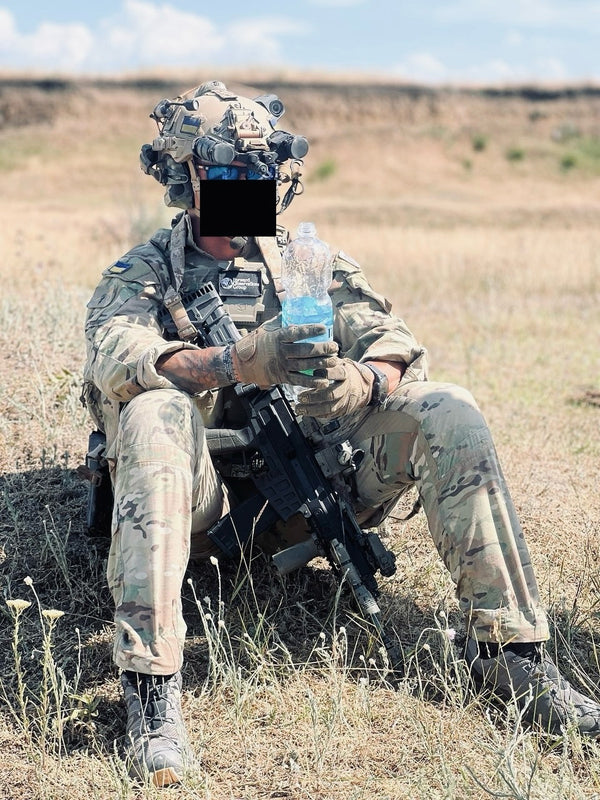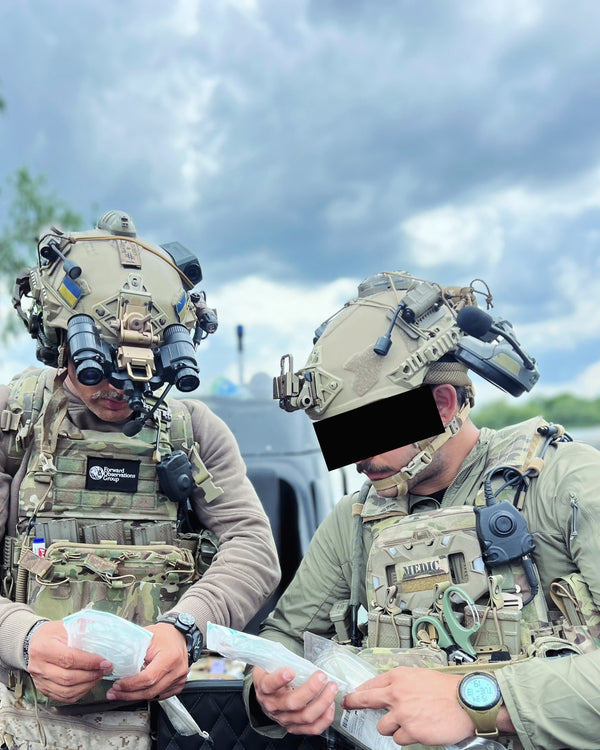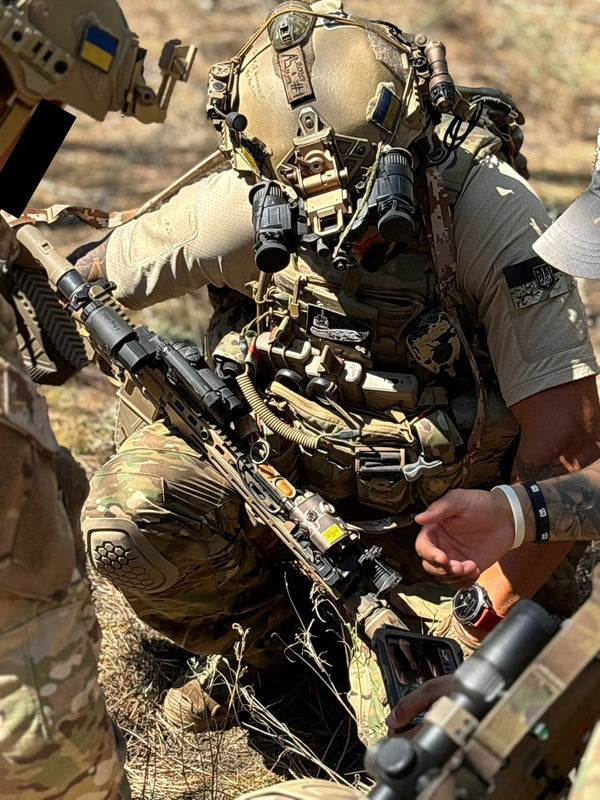

What You Need to Know About Active Headphones for Tactical Operations

What You Need to Know About Active Headphones for Tactical Operations

Active tactical headphones: Hearing protection, PTT, and radio compatibility 

For military personnel, law enforcement officers, and professionals in other demanding environments, active headphones serve two linked functions: reducing hazardous noise exposure and supporting auditory situational awareness. In tactical use, the term active headphones for tactical operations generally means electronic level-dependent hearing protection, but not all active tactical headphones are communication headsets. This article explains how they work, how to choose configuration, check helmet compatibility, and connect the headset to a PTT and radio.

What are active tactical headphones?

Active tactical headphones are electronic hearing protectors that combine passive sound attenuation with level-dependent ambient listening. Communication-capable versions also add a speech microphone and a wired or wireless interface for connection to a compatible PTT and external radio.

In over-ear models, the ear cups retain passive attenuation when power is off. With level-dependent hearing protection, environmental microphones pick up lower-level sounds and internal speakers reproduce them at an adjustable listening level. Electronic hearing protection may lack a radio interface. A tactical communication headset includes a communication path, commonly through a boom microphone and downlead; its interface must be compatible with the PTT and radio. Consumer ANC headphones are not substitutes for hearing protectors in shooting or duty use unless designed and tested for hearing protection.

How do active tactical headphones protect hearing and preserve awareness?

Active tactical headphones combine passive attenuation with controlled ambient listening. Their effectiveness depends on electronics, fit, and the ear-cup seal. The system works in three stages:

  1. Ear cups and cushions form a seal that mechanically attenuates sound reaching the ear.

  2. Environmental microphones capture ambient sound.

  3. Electronics reproduce quieter sounds and limit or process the signal when noise rises, allowing active hearing protection to support awareness while reducing hazardous noise exposure.

Stereo microphone systems or directional microphones may support spatial awareness, but performance depends on the model’s acoustic design and signal processing. NRR and SNR are laboratory attenuation ratings based on different rating systems. Check the rating for the exact model and configuration. Neither guarantees individual attenuation. Attenuation depends on fit, cushion condition, and seal integrity. Eyeglass temples, straps, misaligned cups, or worn cushions can create leaks. In some high-noise environments, a noise assessment or manufacturer instructions may require dual hearing protection, such as earplugs beneath the headset.

What happens if an active tactical headset loses power? 

Active tactical headsets respond differently to battery depletion. Depending on the model, level-dependent listening, electronic controls, voice prompts, and low-battery alerts may stop, while wired radio receive and transmit may remain available. The 3M PELTOR ComTac XPI provides an example: 3M describes it as a self-contained headset with “power fail safe,” and its defence portfolio states that external radio RX/TX communications are independent of headset battery power. This behavior applies to communication-equipped ComTac configurations and should not be generalized to other models. Before field use, identify the manufacturer-defined fail-state for the exact SKU and verify which functions remain available for the complete configuration after battery depletion. The result determines whether the user retains external communications, loses ambient listening, or must follow a predefined battery-change or fallback procedure in the field. 

Which tactical headset configuration fits the task?

Choose the category from two requirements: the noise environment and whether the task needs ambient listening only or radio communication. Record expected wear duration.

Task or setup

Base configuration

Choose based on

Range, shooting sports, hunting

Electronic hearing protection for shooting

Attenuation rating, ambient listening, comfort

Military or law-enforcement operations requiring radio communication

Tactical communication headset

Operational radio requirement, boom microphone, expected wear duration

Use with a helmet

Headband, neckband, or helmet-mounted variant

Off-helmet use, available under-helmet space, or direct attachment

Training or milsim

Task-dependent

Actual noise exposure and communication requirement

Communication capability is not automatically an improvement. When protection and ambient listening satisfy the task, extra communication hardware may add unnecessary complexity. A military communication headset is justified by a defined radio requirement, not by military or tactical labels alone. After those choices, compare battery type and documented operating time. Consider environmental or durability ratings only when the manufacturer documents them for that configuration.

How do you match a headset with a helmet, PTT, and radio?

Once category and wear format are selected, match the shortlisted components as one communication chain: headset → downlead/connector → PTT → radio. Similar-looking connectors do not guarantee matching wiring, pinout, or radio compatibility.

Verify the chain in order:

  1. Headset. Record the exact model, SKU, connector, and supplied downlead option.

  2. Downlead/connector. Confirm that its connector type and wiring match the PTT.

  3. PTT. Verify documented support for the headset configuration and specific radio platform.

  4. Radio. Confirm the exact model and radio connector, then test receive and transmit through the PTT before use.

If any component is substituted, repeat the documentation review and functional test for the revised chain.

Use a manufacturer-recommended or verified cable and PTT adapter. Model numbers, wiring or pinout documentation, and a functional test determine tactical headset radio compatibility. Physical connection alone does not prove that a tactical headset with PTT will work correctly.

Finally, install the chosen headset configuration and confirm that it can be worn without breaking the ear-cup seal or placing strain on its cables. Select the helmet and cut separately using How to Choose the Right Ballistic Helmet. A helmet-compatible tactical headset is confirmed only after the complete mounted and connected system passes the fit check and receive/transmit test.

What headset does the military use?

No single headset is used by every military unit. Selection depends on country, unit, operational role, communication requirements, radio platform, helmet system, and procurement requirements.

The 3M PELTOR ComTac and Sordin models are examples, not universal equipment. The term combat headset is a category label, not a complete setup. The official ComTac XPI datasheet documents multiple mounting, wiring, and communication configurations. Products in the same family may differ in integration and should not be assumed interchangeable. A family name alone cannot establish suitability. Procurement decisions require documentation for the exact model and offered configuration before purchase, issue, or operational integration.

3M PELTOR ComTac XPI as a communication-headset example

The 3M PELTOR ComTac XPI provides a concrete communication-headset example: its official datasheet separates variants by article number, wiring, and mounting format. Because radios can have programming-dependent configurations, 3M advises testing the actual radio setup before purchase. Verify the exact SKU, supplied downlead, required PTT, mounting configuration, and specific radio model.

https://blendertac.com/products/3m-peltor-comtac-xpi-military-communication 


Popular Models and Solutions

At BlenderTactical, we offer a range of active headphones designed for tactical use. Explore options such as:

3M PELTOR ComTac XPI Tactical Communication Headset
🛍️ Product

3M PELTOR ComTac XPI Tactical Communication Headset

The 3M PELTOR ComTac XPI is a combat-proven tactical communication headset engineered for military personnel, law enforcement operators, and security ...

by 3M Peltor ✓ Available
🛒 View Product
Blender™ Desert Vanguard Kit NIJ IIIA | Ballistic FAST Helmet Set
🛍️ Product

Blender™ Desert Vanguard Kit NIJ IIIA | Ballistic FAST Helmet Set

Helmet Set Components: Blender™ Ballistic FAST Helmet High-cut shell compatible with active tactical headphones and other tactical equipment Ballistic...

by Blender Tactical ✓ Available
🛒 View Product

Final thoughts 

Choose active tactical headphones as a system matched to the noise environment, wearing method, and radio setup. Before deployment, verify the ear-cup seal, mounting stability, and connector compatibility; then test PTT and radio operation together. Explore Active Hearing Protection & Accessories to compare headsets and accessories for your intended configuration.

Back to blog