
-
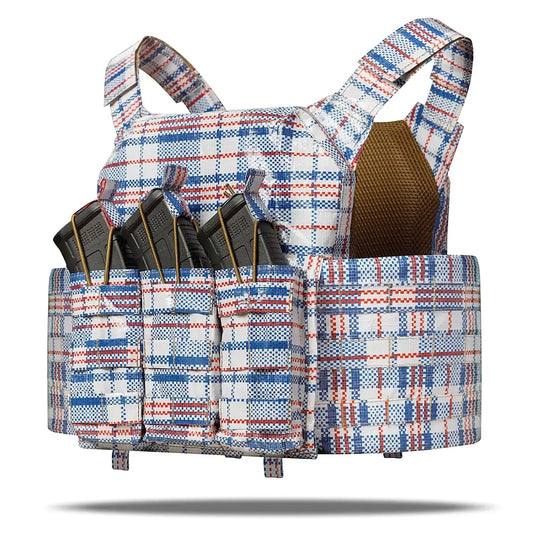
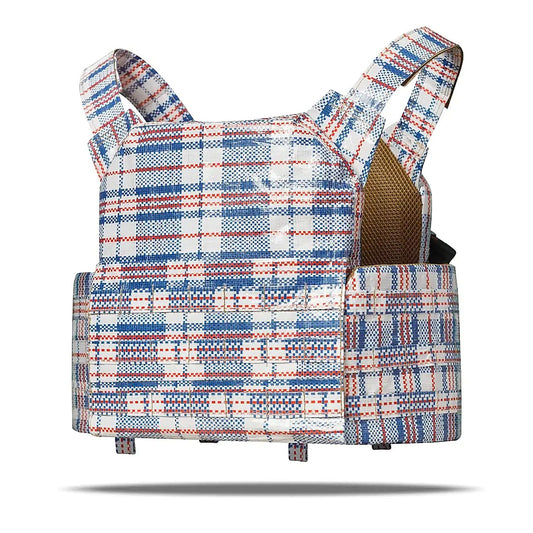
"Bazaar" Plate Carrier – Limited Edition
Vendor:Blender TacticalRegular price €94.49Regular price €94.49 Sale priceUnit price per€105.0010% -
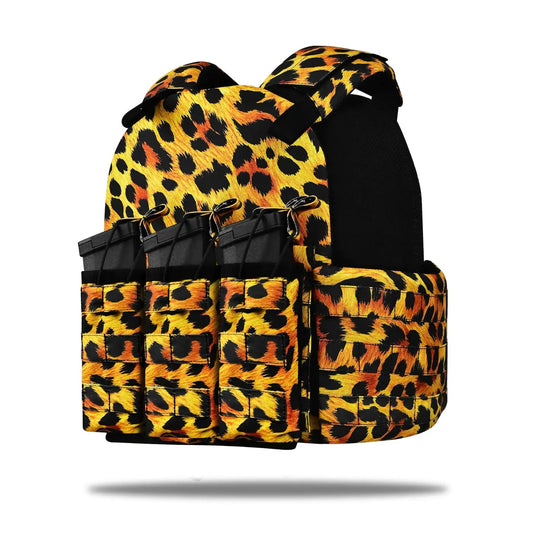
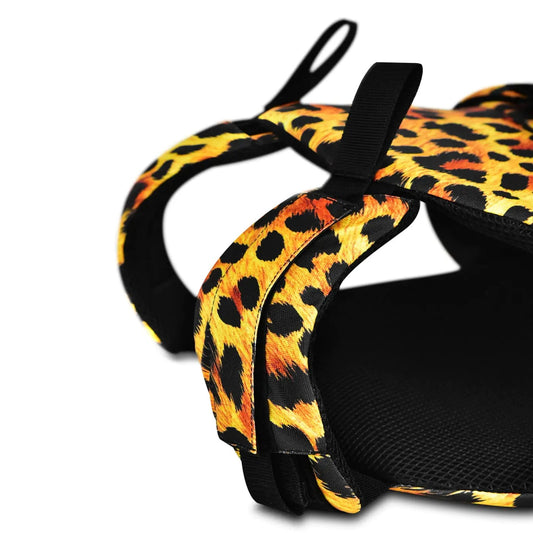
"Leopard" Plate Carrier – Limited Edition
Vendor:Blender TacticalRegular price €94.49Regular price €94.49 Sale priceUnit price per€105.0010% -
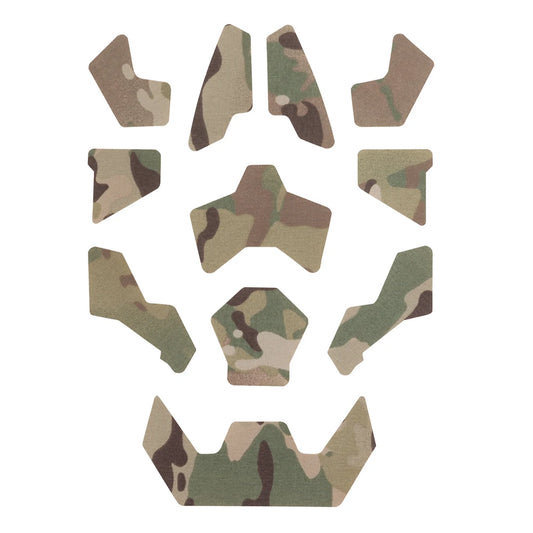
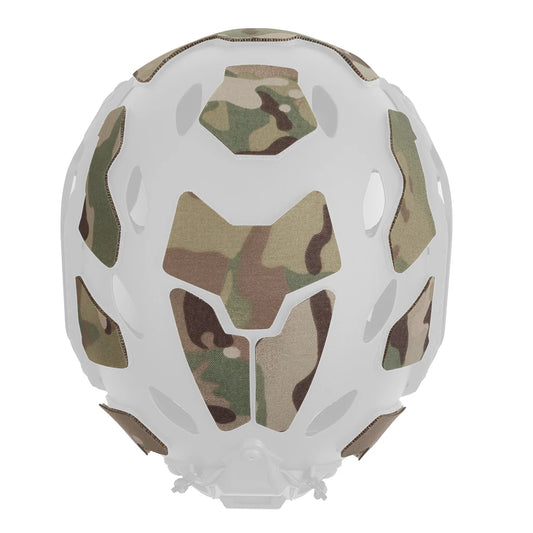
11-Piece Tactical Hook Patches Set for FAST SF High-Cut Helmets – Multicam
Vendor:Blender TacticalRegular price €19.29Regular price €19.29 Sale priceUnit price per€28.6432% -
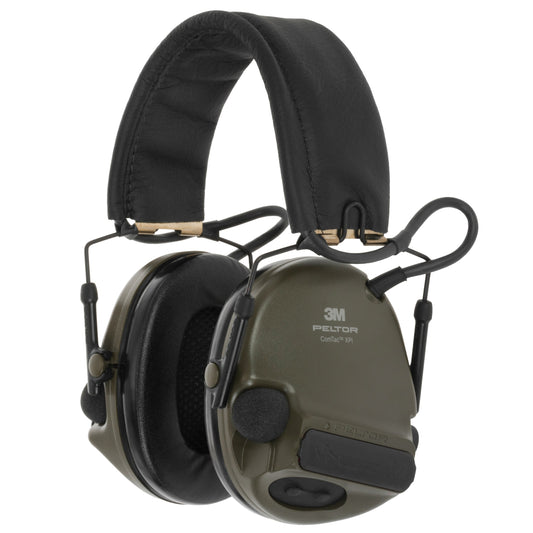
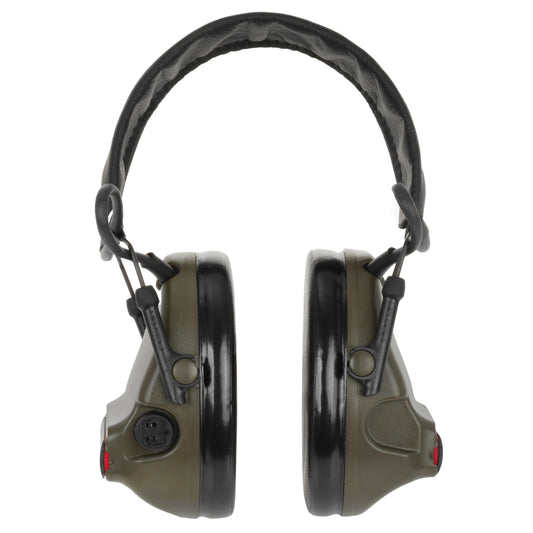
3M PELTOR ComTac XPI Tactical Communication Headset
Vendor:3M PeltorRegular price €471.45Regular price €471.45 Sale priceUnit price per€525.0010% -
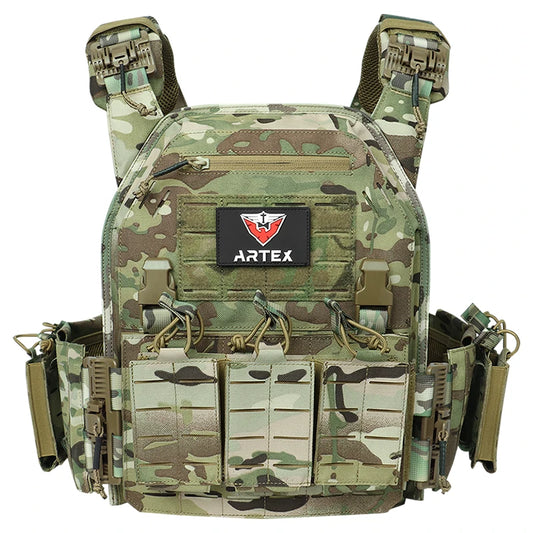
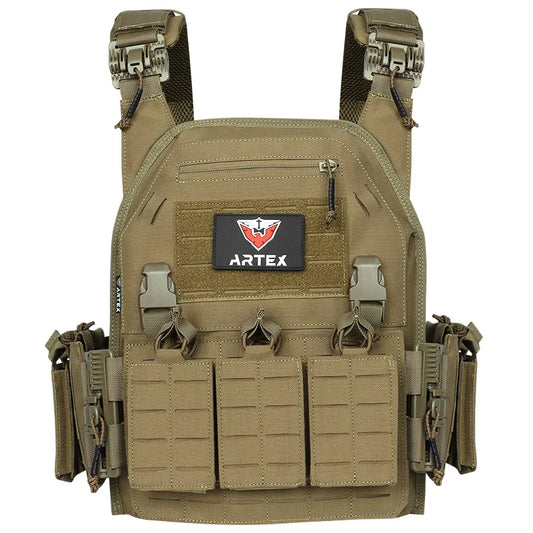
Artex Tactical Plate Carrier with Triple Magazine Pouch
Vendor:Blender TacticalRegular price From €114.79Regular price From €114.79 Sale priceUnit price per -
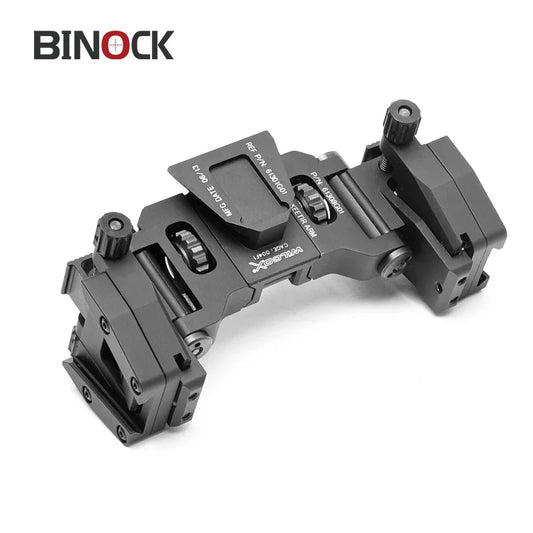
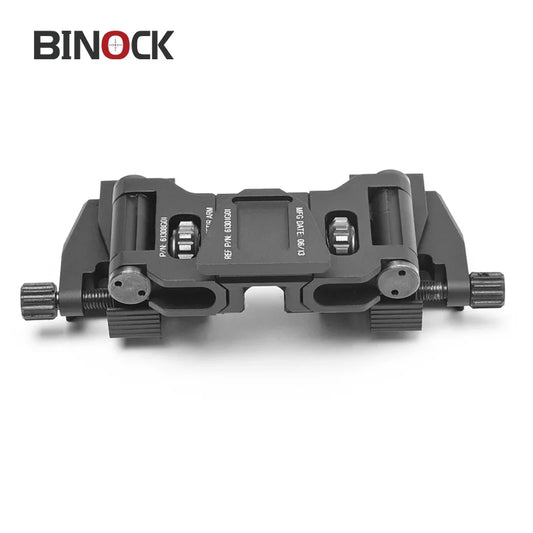
BINOCK Dual Tube Night Vision Goggles – Tactical NVG System with Helmet Mount, Adjustable Bridge & Carry Case
Vendor:Blender TacticalRegular price €256.19Regular price €256.19 Sale priceUnit price per€409.4937% -
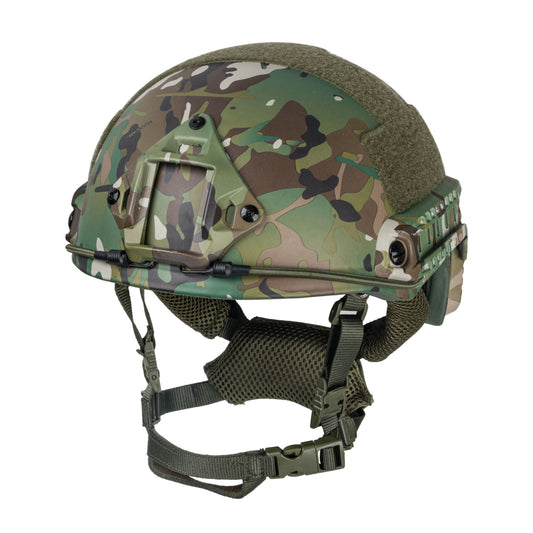
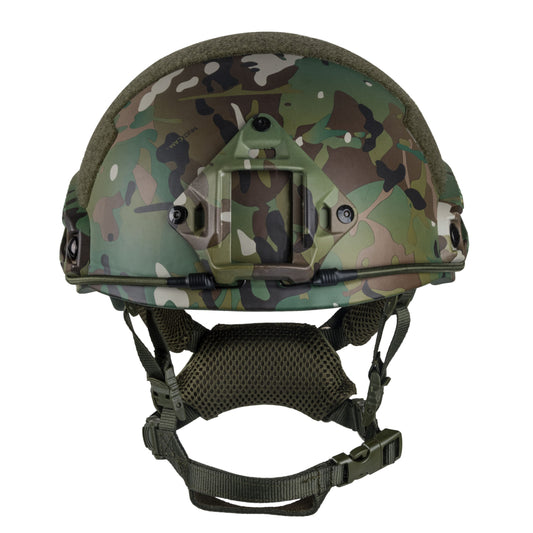
Blender™ ATE FAST Ballistic Helmet NIJ IIIA – Multicam
Vendor:Blender TacticalRegular price €418.95Regular price €418.95 Sale priceUnit price per -
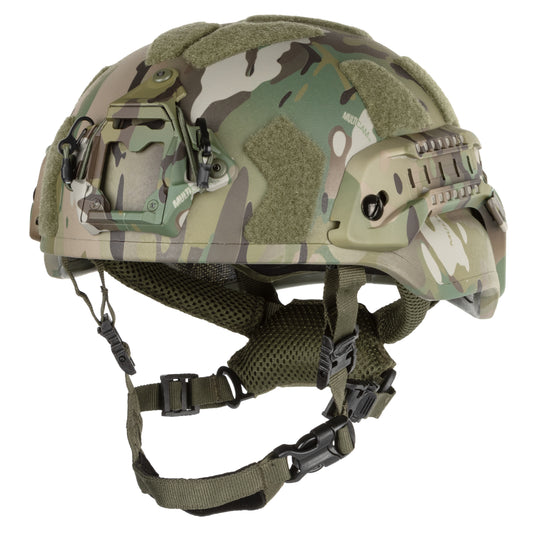
Blender™ Ballistic Aramid Middle-Cut Helmet – MultiCam NIJ IIIA
Vendor:Blender TacticalRegular price €471.45Regular price €471.45 Sale priceUnit price per€630.0025% -
Blender™ Ballistic FAST Helmet Base Kit NIJ IIIA – Desert Tan
Vendor:Blender TacticalRegular price €535.50Regular price €535.50 Sale priceUnit price per -
Blender™ Ballistic FAST Helmet Base Kit NIJ IIIA – Ranger Green
Vendor:Blender TacticalRegular price €535.50Regular price €535.50 Sale priceUnit price per -
Blender™ Ballistic FAST Helmet Base Kit – Black NIJ IIIA
Vendor:Blender TacticalRegular price €535.50Regular price €535.50 Sale priceUnit price per -
Blender™ Ballistic FAST Helmet Guardian Kit NIJ IIIA – Ranger Green
Vendor:Blender TacticalRegular price €523.95Regular price €523.95 Sale priceUnit price per€715.0526% -
Blender™ Ballistic FAST Helmet NIJ IIIA – Black Tactical
Vendor:Blender TacticalRegular price €418.95Regular price €418.95 Sale priceUnit price per -
Blender™ Ballistic FAST Helmet NIJ IIIA – Desert Tan Tactical
Vendor:Blender TacticalRegular price €418.95Regular price €418.95 Sale priceUnit price per -
Blender™ Ballistic FAST Helmet NIJ IIIA – Ranger Green Tactical
Vendor:Blender TacticalRegular price €418.95Regular price €418.95 Sale priceUnit price per -
Blender™ Ballistic FAST Helmet Vanguard Kit NIJ IIIA – Ranger Green
Vendor:Blender TacticalRegular price €628.95Regular price €628.95 Sale priceUnit price per -
Blender™ Base Ballistic FAST Helmet Kit – Exfil Ranger Green NIJ IIIA
Vendor:Blender TacticalRegular price €535.50Regular price €535.50 Sale priceUnit price per -
Blender™ Base+ Ballistic FAST Helmet Kit – Desert NIJ IIIA
Vendor:Blender TacticalRegular price €535.50Regular price €535.50 Sale priceUnit price per -
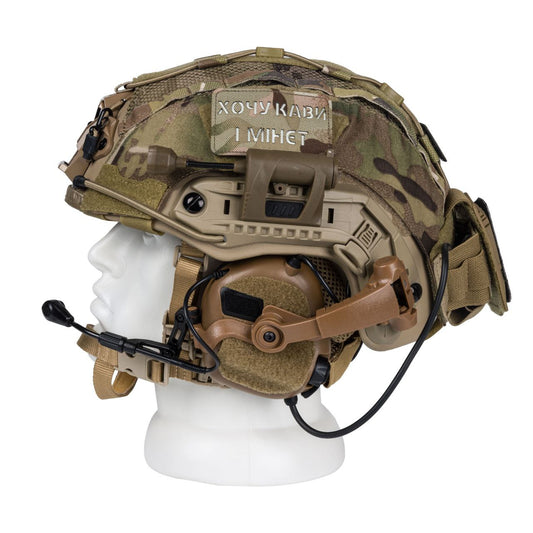
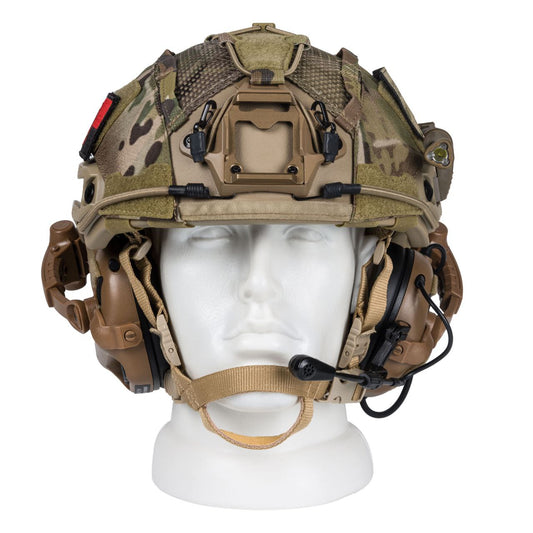
Blender™ Desert Guardian Kit NIJ IIIA | Tactical FAST Helmet Set
Vendor:Blender TacticalRegular price €523.95Regular price €523.95 Sale priceUnit price per€715.0526% -
Blender™ Desert Vanguard Kit NIJ IIIA | Ballistic FAST Helmet Set
Vendor:Blender TacticalRegular price €576.45Regular price €576.45 Sale priceUnit price per

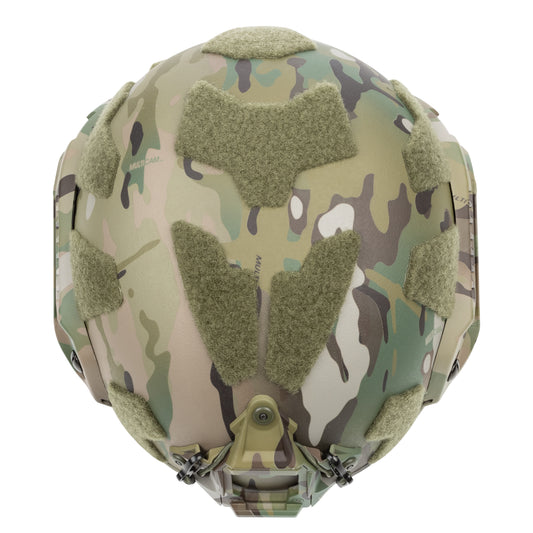
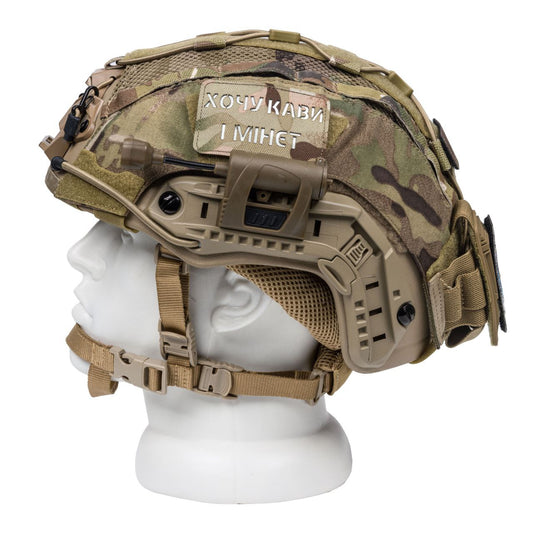
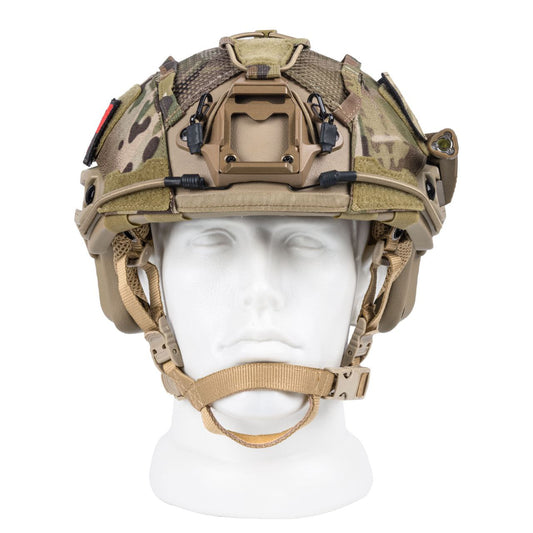
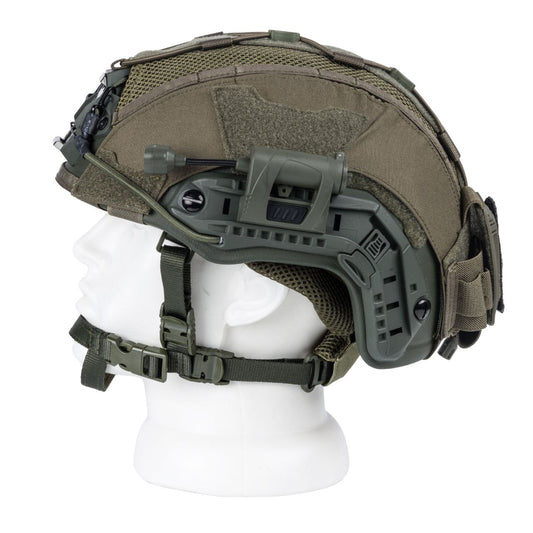
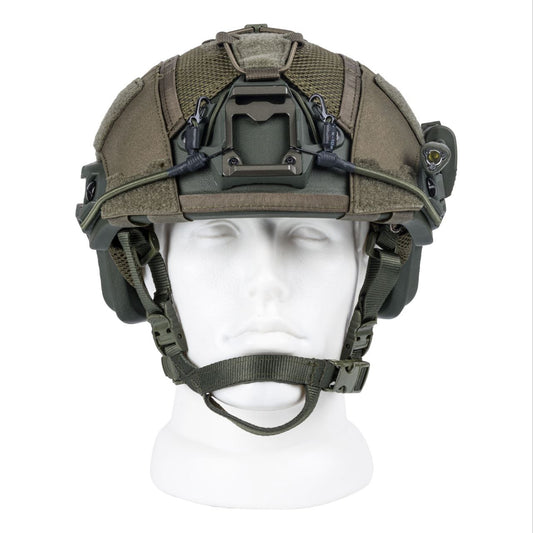
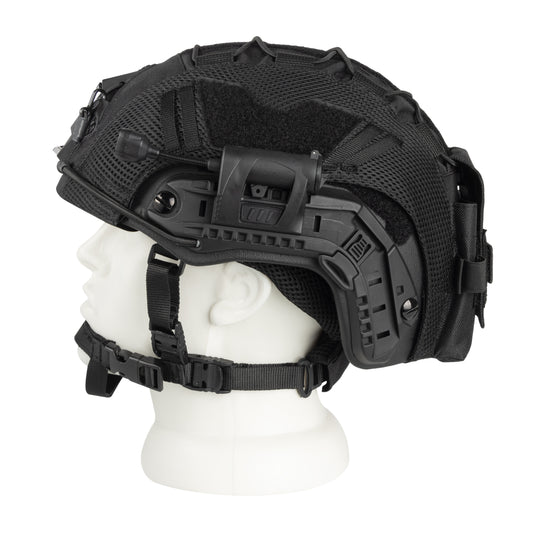
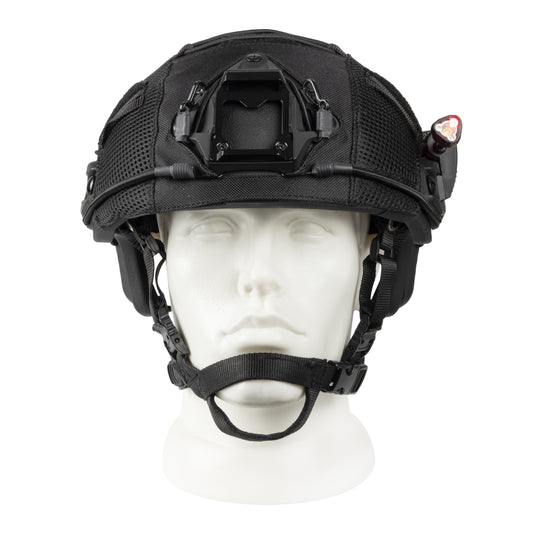
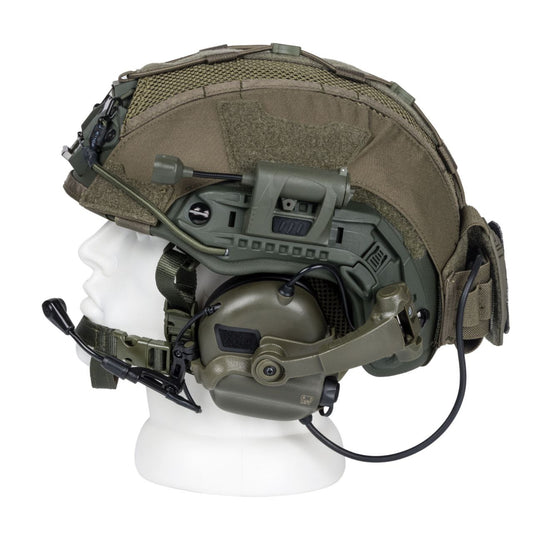
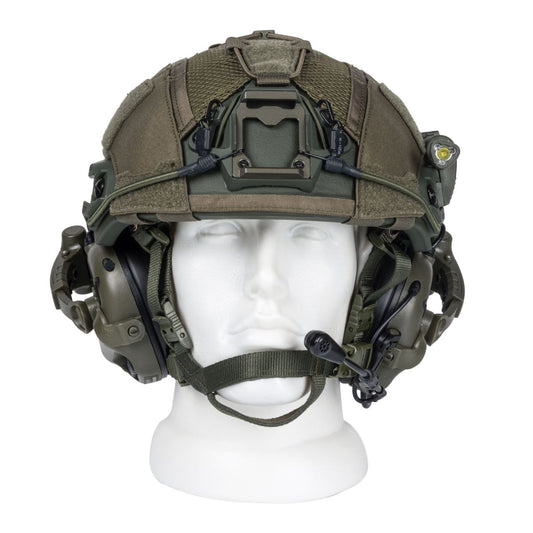

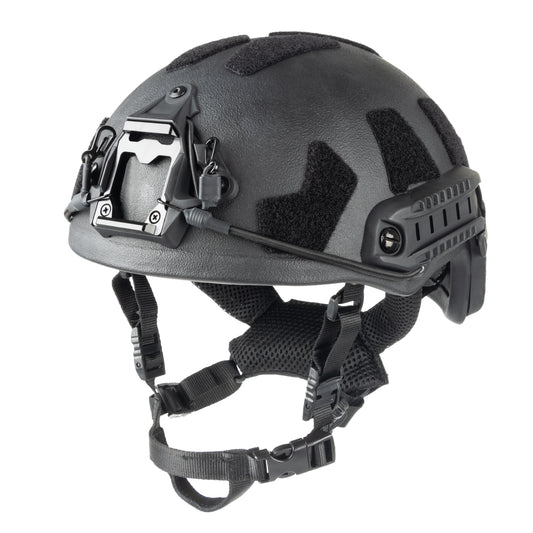
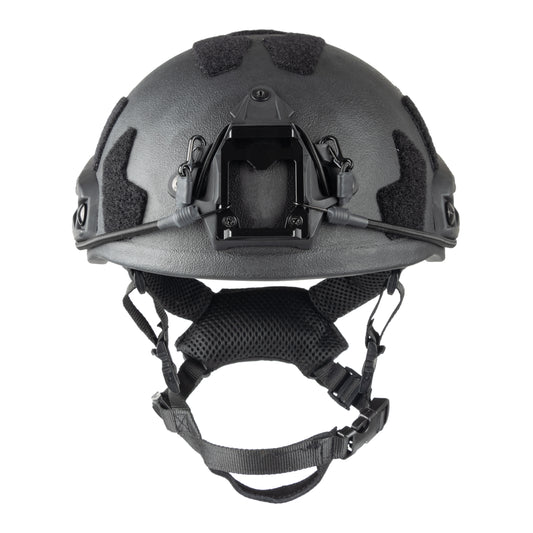
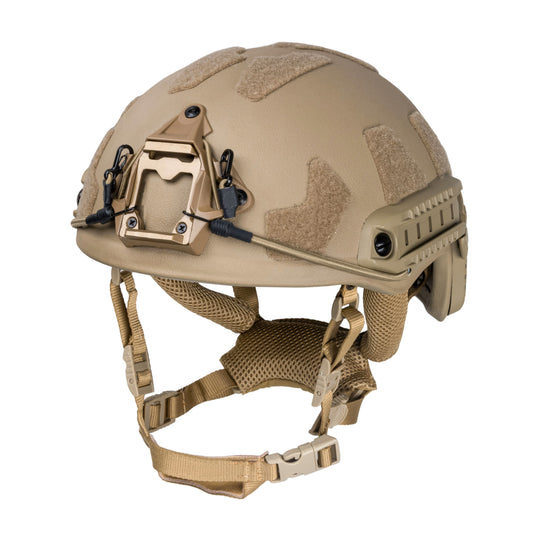
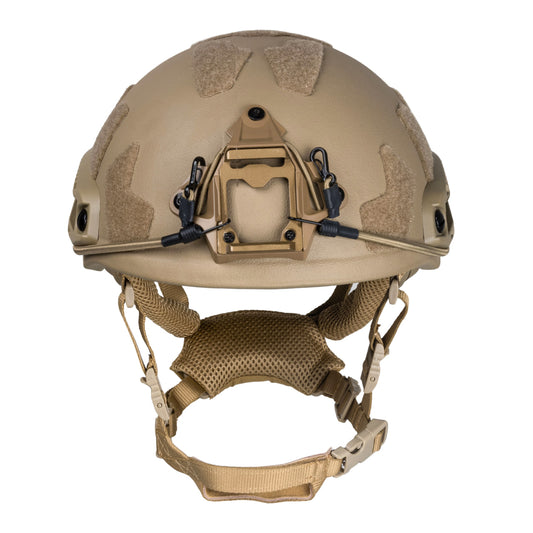
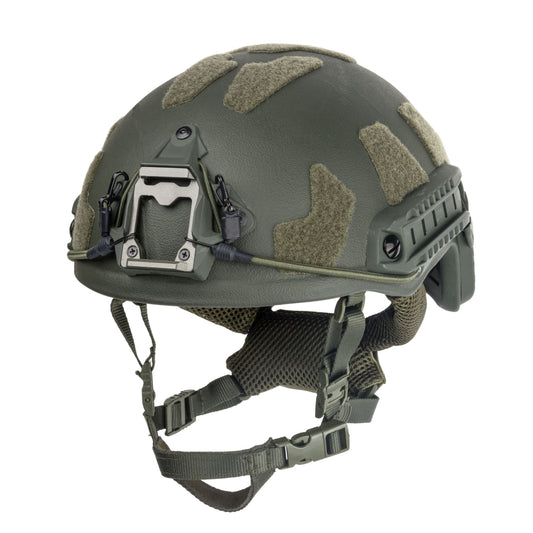
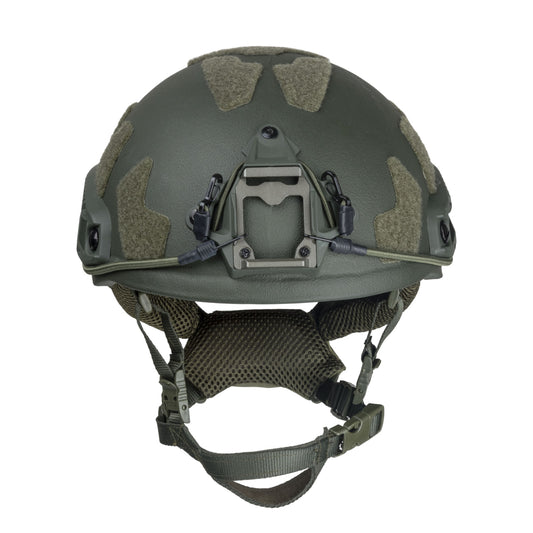
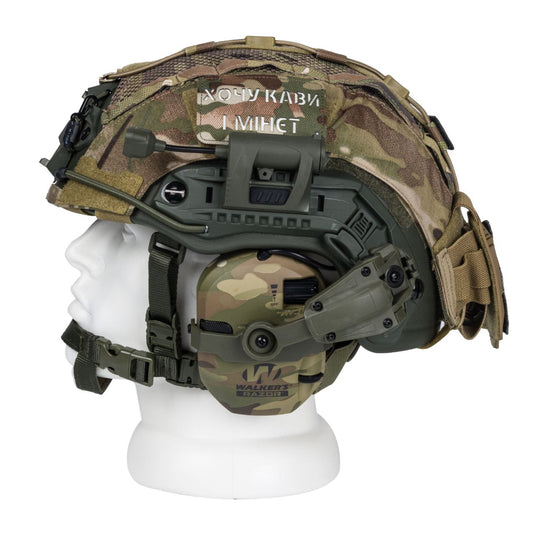
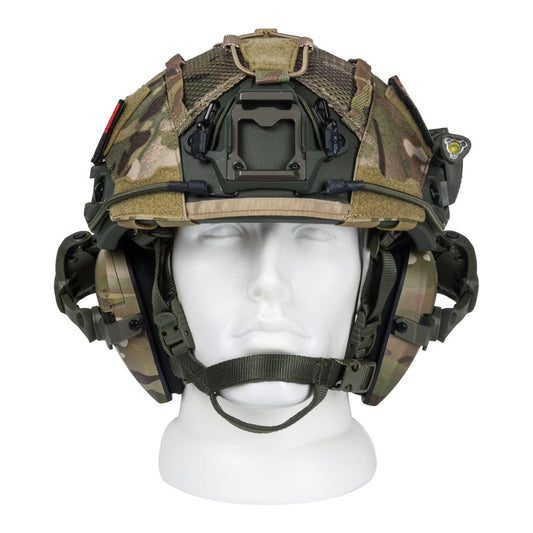
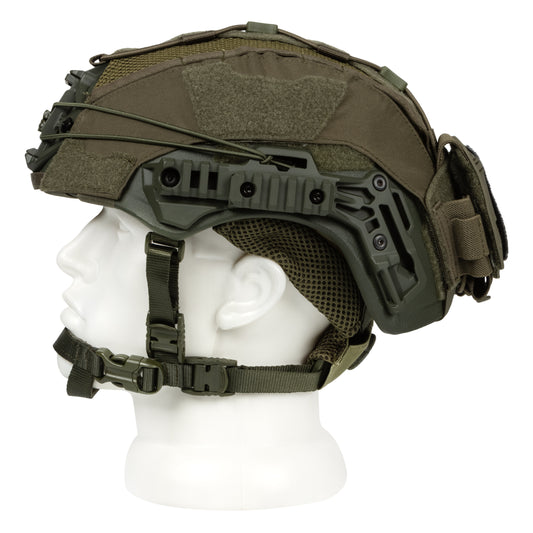
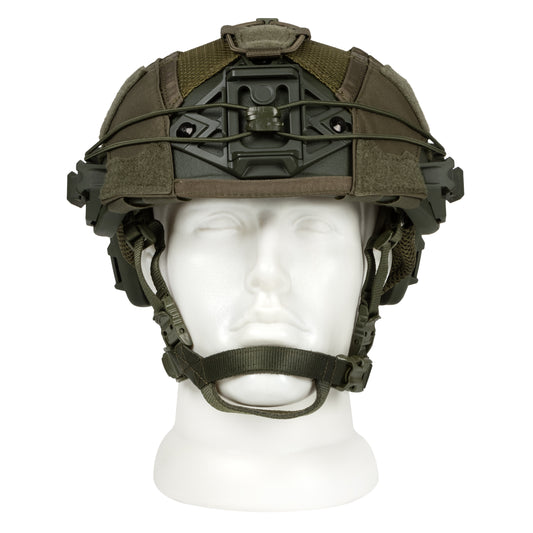
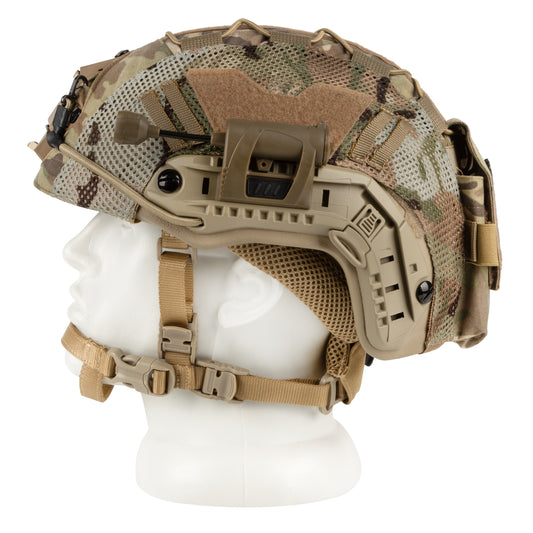
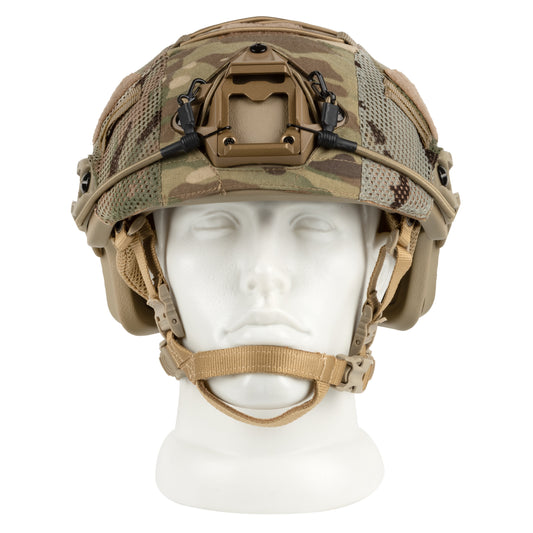
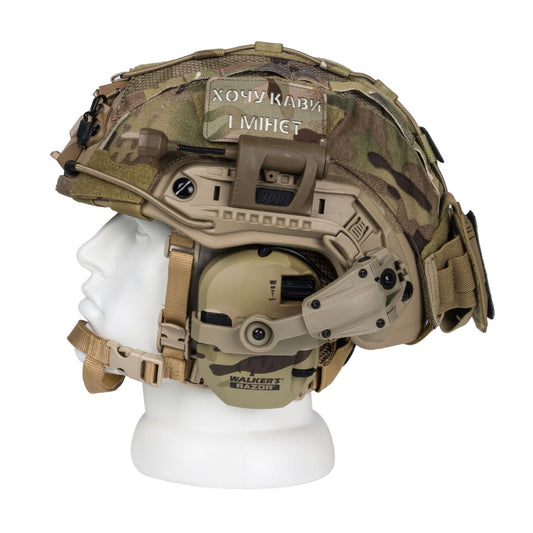
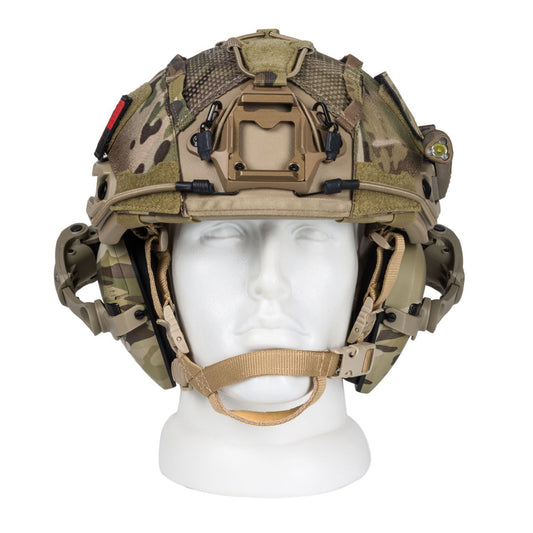
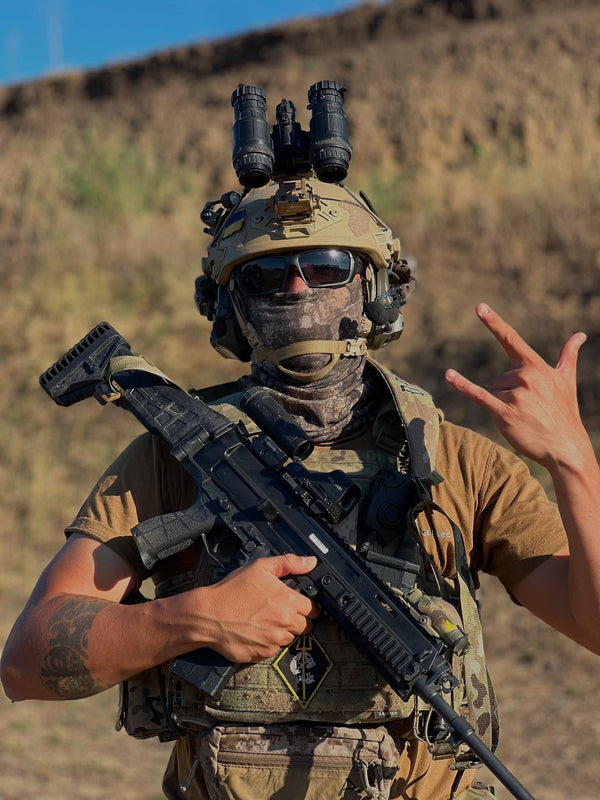
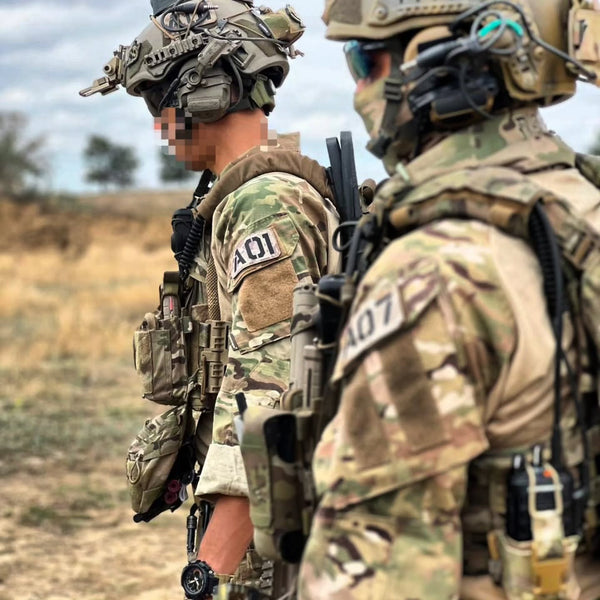
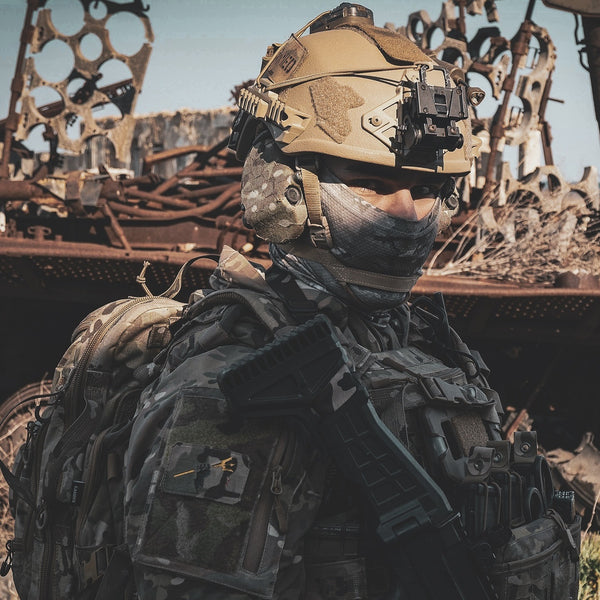
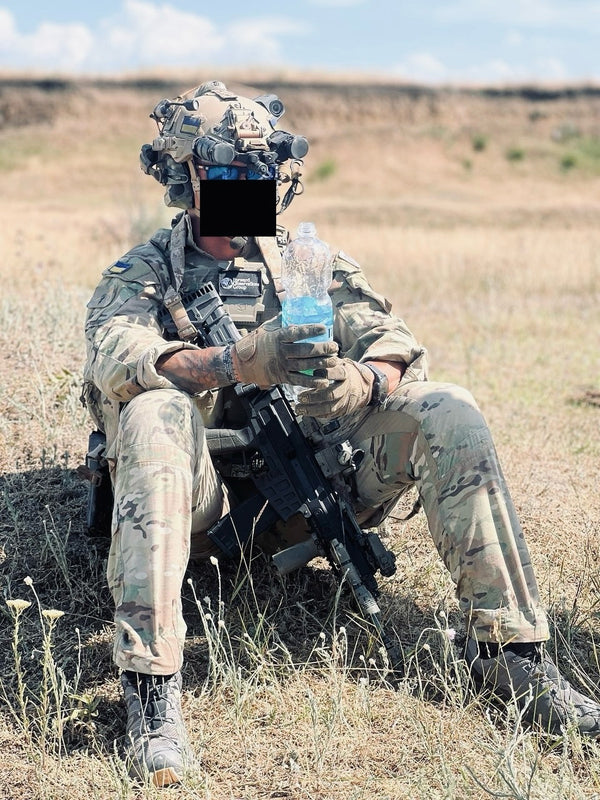
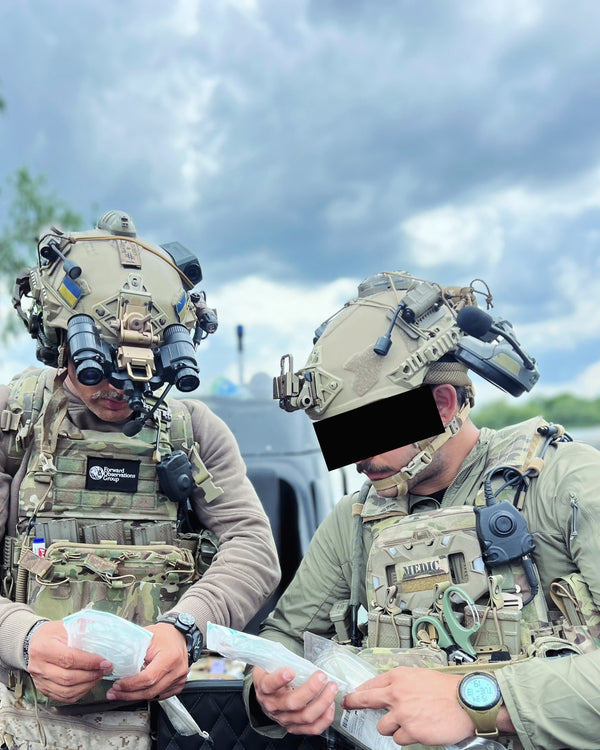
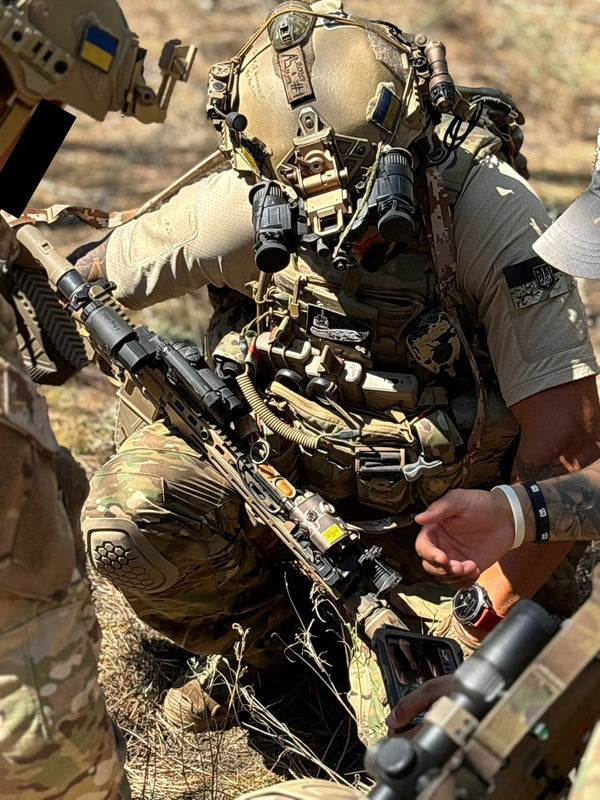
A good military headlamp is still one of the essentials for today’s soldiers, medics and rescue teams. A helmet-mounted light lets you work in the dark with both hands free, move safely and react fast under pressure. That’s why modern units rely on dedicated headlamps, from simple models to high-output options and purpose-built military helmet light setups that clamp directly to rails and shrouds.
Military headlamp: hands-free light that actually keeps up with you
On the ground, light that follows your line of sight is worth far more than a flashlight you have to hold. A headlamp military users can trust keeps your hands free for weapons handling, medical tasks, navigation or rope work. Mounted as a light for helmet military operators wear every day, it stays stable when you sprint, crawl or climb, instead of swinging or falling off.
In night operations, patrols, vehicle checks or casualty care, a dedicated military grade headlamp becomes almost invisible in terms of effort: you switch it on, adjust the beam and forget about it. You can open IFAKs, read maps, mark patients or work on equipment without ever taking a hand off what really matters. For airsoft and training, the same setup brings realism and lets you rehearse exactly how you’ll work under real conditions.
Powerful helmet lights for demanding missions
There are moments when you need more than a tiny admin light. For search and rescue, long movements or work in complex structures, a military tactical headlamp with higher output and longer throw makes the difference. A good model balances a strong main beam with sensible runtimes, so you don’t end up in the dark halfway through the night.
Modern helmet lights offer multiple modes: low settings for reading documents, medium beams for close-range work around vehicles, and powerful bursts when you need to identify terrain or a target further out. Many systems add red or other coloured LEDs to preserve night vision and reduce signature. When you choose a helmet light military personnel would actually take on deployment, you want it to be bright enough when needed but still efficient, with clear feedback on battery status and no surprise shut-offs.
Choosing the right military helmet light for your setup
Picking the right for military light helmet configuration starts with your helmet. Most modern combat helmets come with side rails or front mounts, so compatibility is key. Your light should lock firmly onto the rail or bracket without wobble, but still be easy to remove if you need to switch from helmet to headband or chest rig.
Weight and balance matter more than people think. A compact military helmet light that sits close to the shell is more comfortable on long patrols than a bulky camping lamp adapted for tactical use. You should be able to tilt the beam precisely where you need it and adjust modes with gloved hands, without having to take the helmet off. Durable polymers and aluminium housings, sealed switches and reinforced cables help the light survive impacts, bad weather and constant use.
Weather resistance is non-negotiable: a serious military grade headlamp should handle rain, snow and mud, as well as extreme temperatures in vehicles or storage. If the light lives on the outside of your helmet, it will be hit, scraped and dragged through obstacles – the design has to account for that from the start.
Adapting your headlamp to every environment
The same military headlamp can be tuned for very different tasks if the interface is well thought out. Soft, dimmed light is perfect for reading maps or checking documents inside vehicles. A narrow beam helps you pick out trails, doors or markers at distance, while a wider flood is ideal for repairs, casualty care or gear checks around you.
For night vision and camouflage, red or very low-output modes are crucial. They let you work inside a team without blinding others or drawing unnecessary attention. Coordination matters: before a mission, teams should agree on brightness levels and colours, so helmet lights support the plan instead of disrupting it.
Finally, regular maintenance keeps your headlamp military-ready. Wipe the body and lens, check the contacts, test the battery level and make sure mounts and seals are intact. A few minutes of inspection before each mission or training day go a long way towards making sure your light works exactly when you need it most.