
-
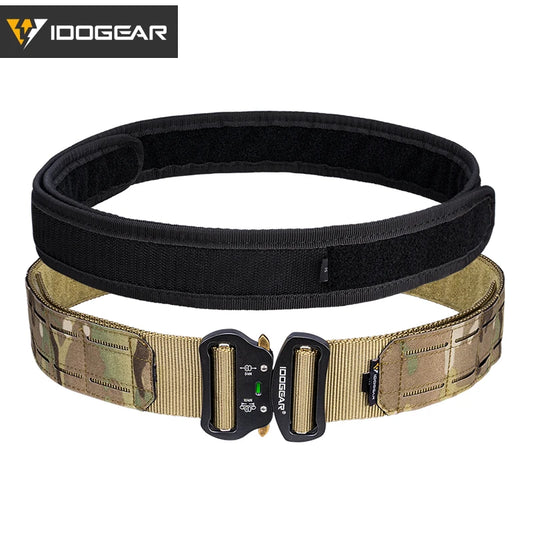
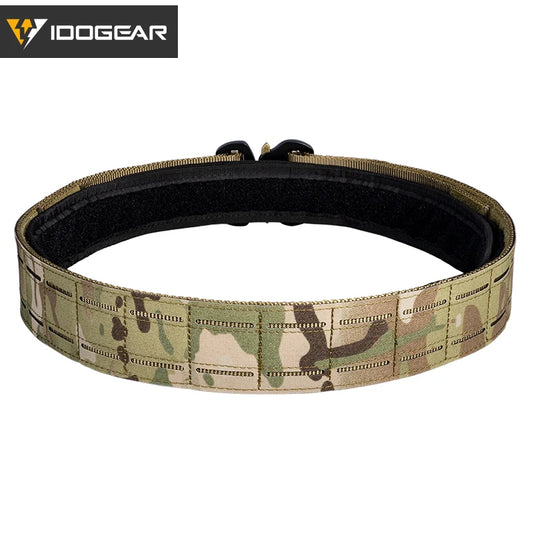
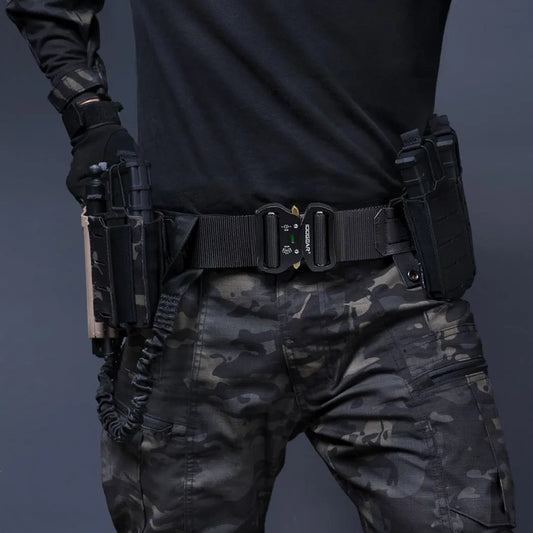
IDOGEAR 2" Tactical Belt with Metal Buckle – Multicam
Vendor:IDOGEARRegular price €59.99Regular price €59.99 Sale priceUnit price per€14057% -
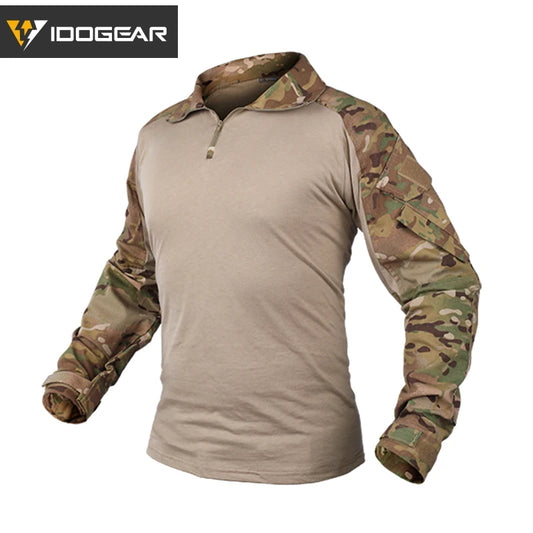
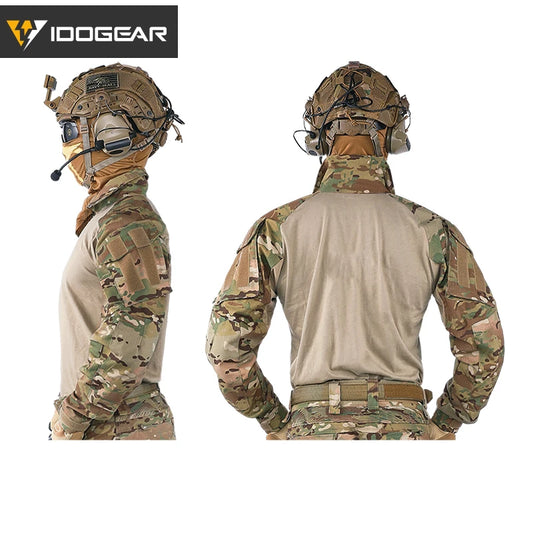
IDOGEAR G3 Combat Shirt with Elbow Pads – Multicam
Vendor:IDOGEARRegular price €79.90Regular price €79.90 Sale priceUnit price per€10020% -
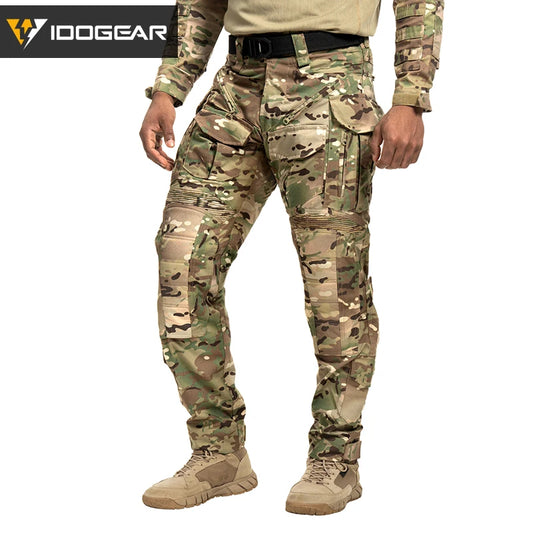
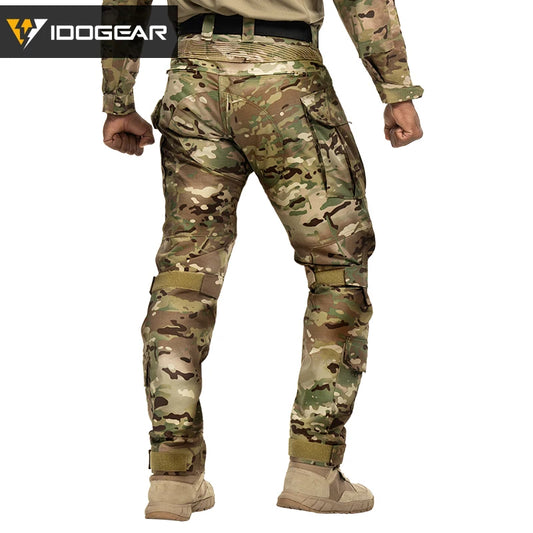
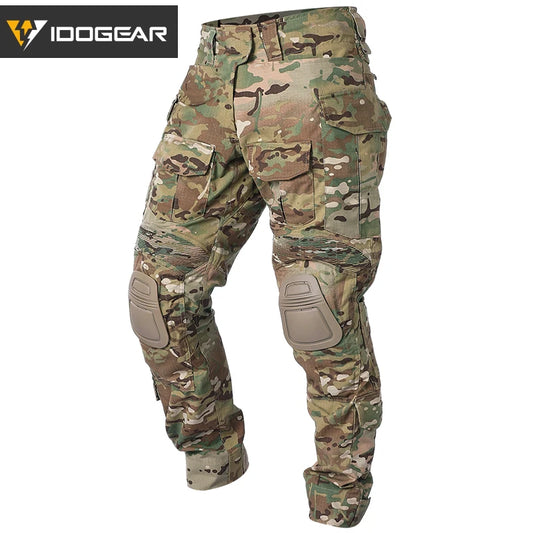
IDOGEAR G5 Combat Pants with Knee Pads – Multicam
Vendor:IDOGEARRegular price €119.99Regular price €119.99 Sale priceUnit price per€14014% -
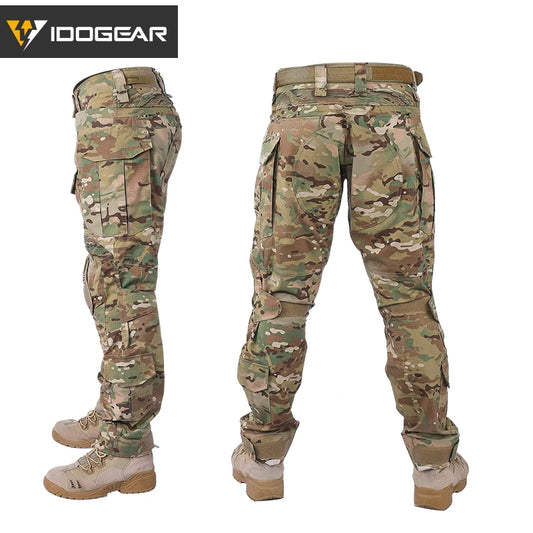
IDOGEAR G3 Tactical Pants with Knee Pads – Multicam
Vendor:IDOGEARRegular price €99.90Regular price €99.90 Sale priceUnit price per€12016% -
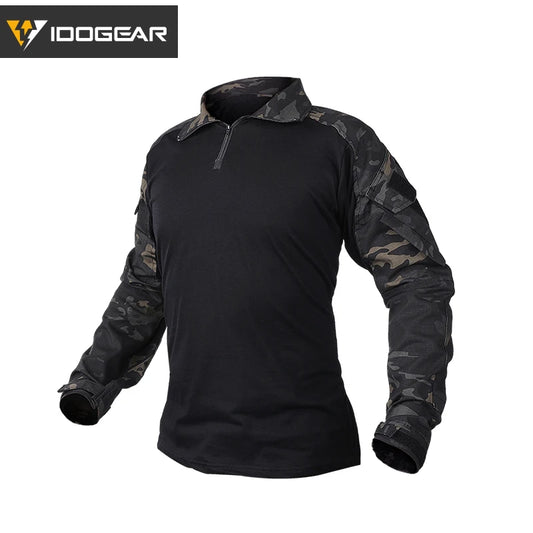
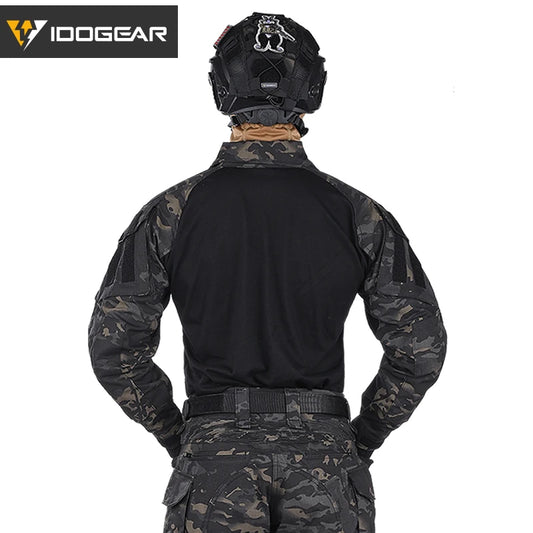
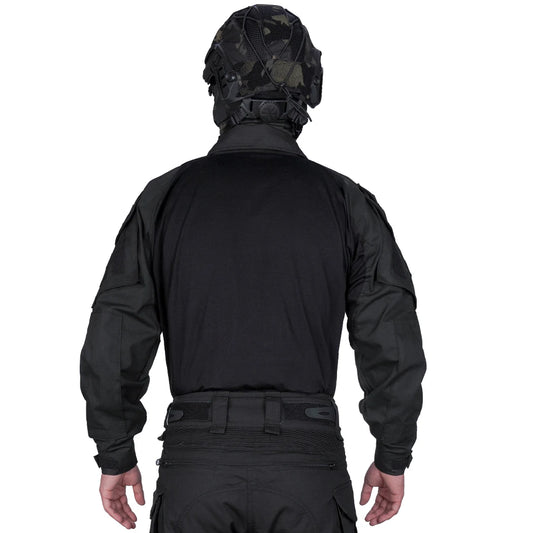
IDOGEAR G3 Combat Shirt with Elbow Pads – Multicam Black
Vendor:IDOGEARRegular price €79.90Regular price €79.90 Sale priceUnit price per€10020% -
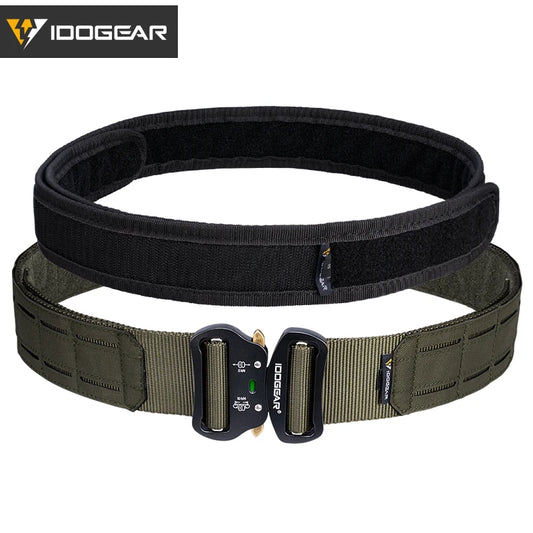
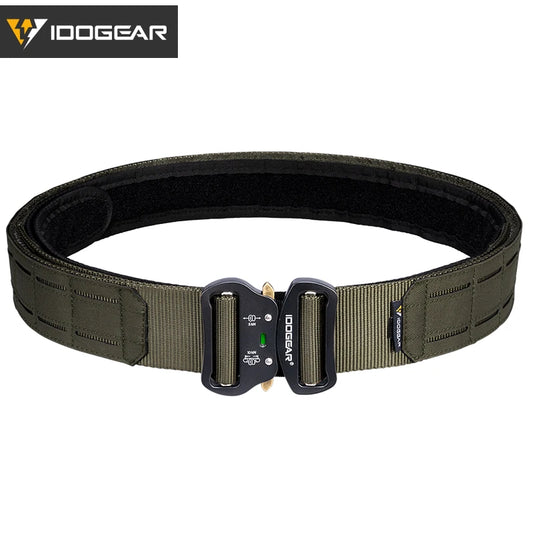
IDOGEAR 2" Tactical Belt with Metal Buckle – Ranger Green
Vendor:IDOGEARRegular price €59.99Regular price €59.99 Sale priceUnit price per€14057% -
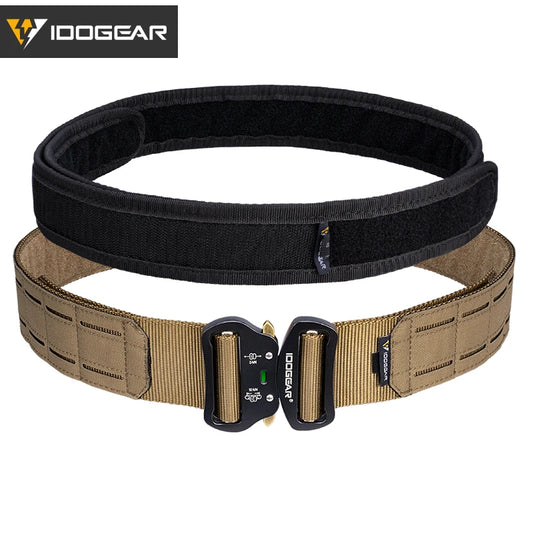
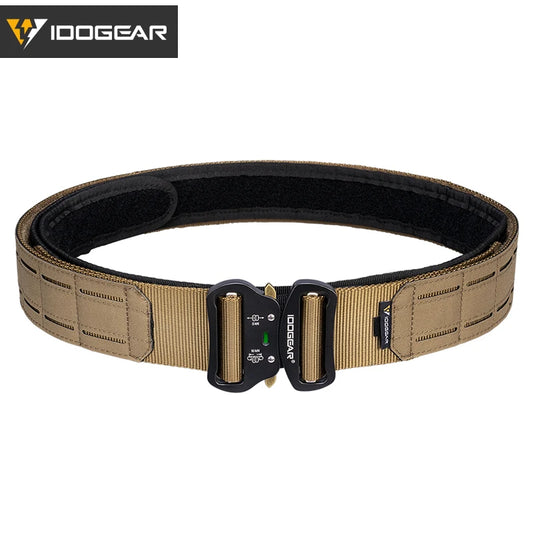
IDOGEAR 2" Tactical Belt with Metal Buckle – Coyote Brown
Vendor:IDOGEARRegular price €59.99Regular price €59.99 Sale priceUnit price per€14057% -
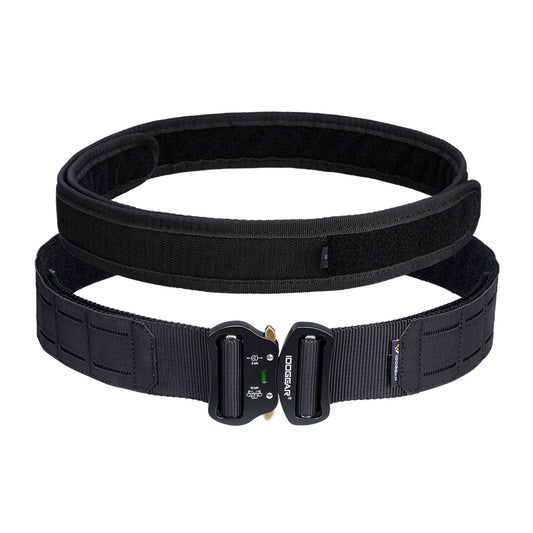
IDOGEAR 2" Tactical Belt with Metal Buckle – Black
Vendor:IDOGEARRegular price €59.99Regular price €59.99 Sale priceUnit price per€14057% -
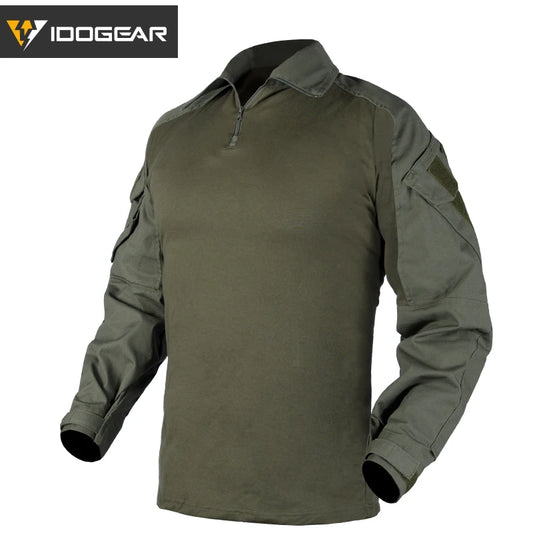
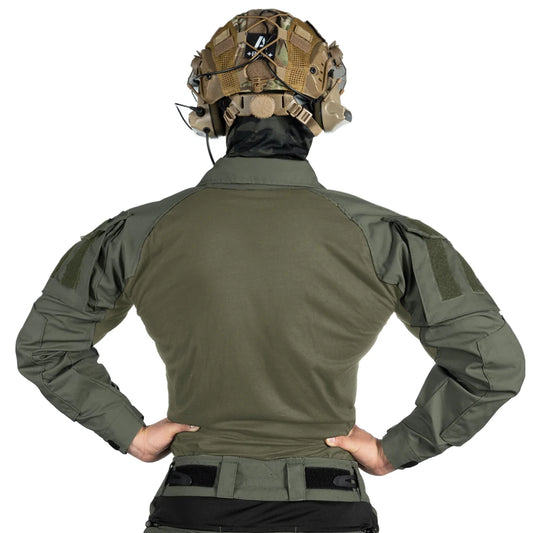
IDOGEAR G3 Combat Shirt with Elbow Pads – Ranger Green
Vendor:IDOGEARRegular price €79.90Regular price €79.90 Sale priceUnit price per€10020% -
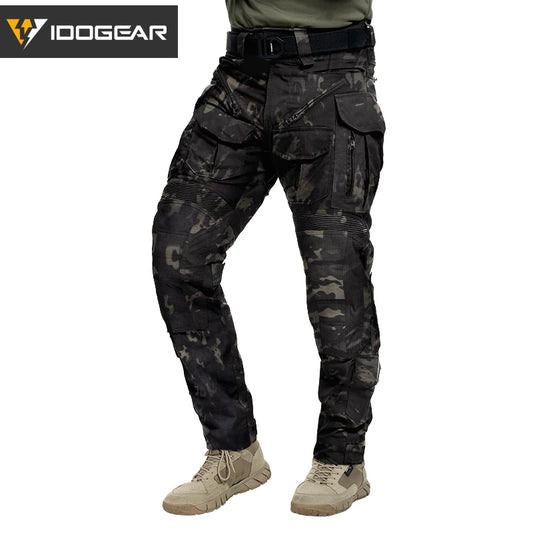
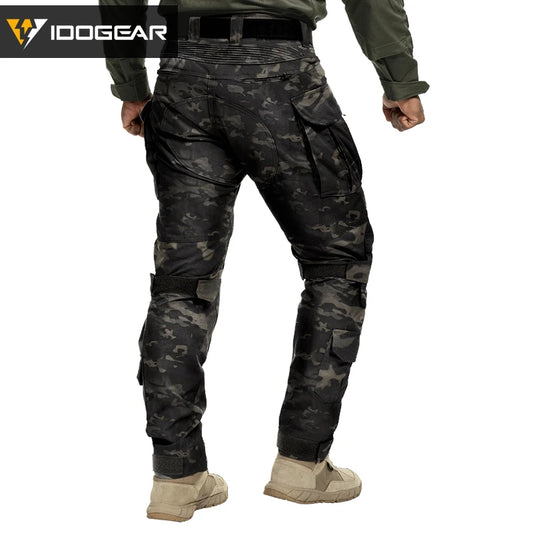
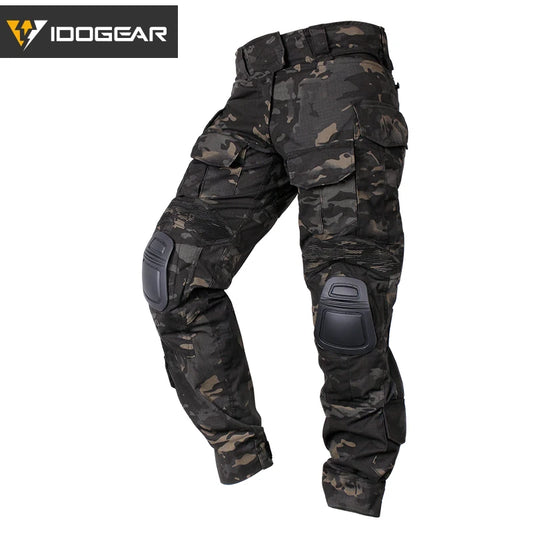
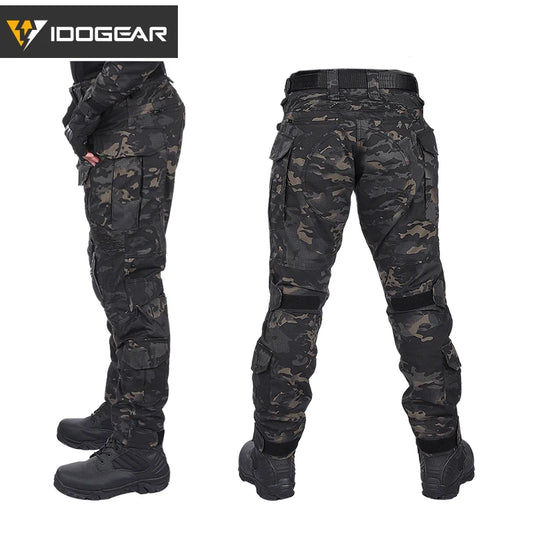
IDOGEAR G5 Combat Pants with Knee Pads – Multicam Black
Vendor:IDOGEARRegular price €119.99Regular price €119.99 Sale priceUnit price per€14014% -
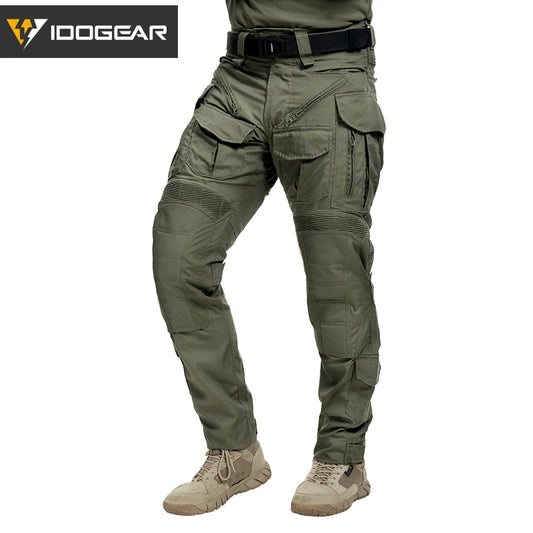
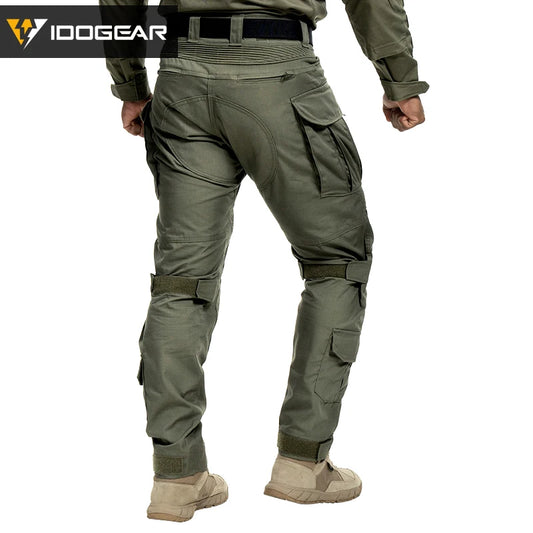
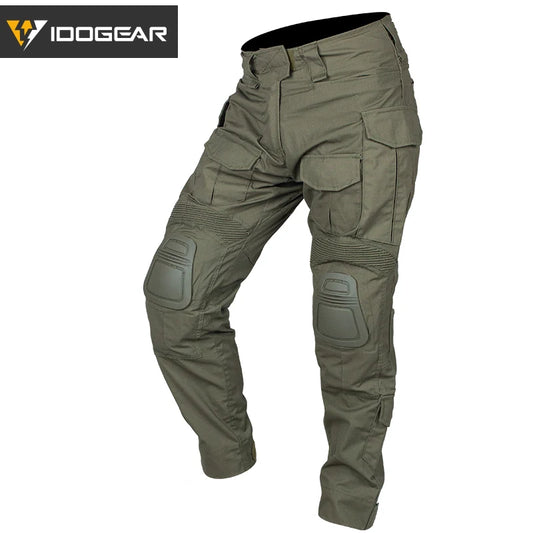
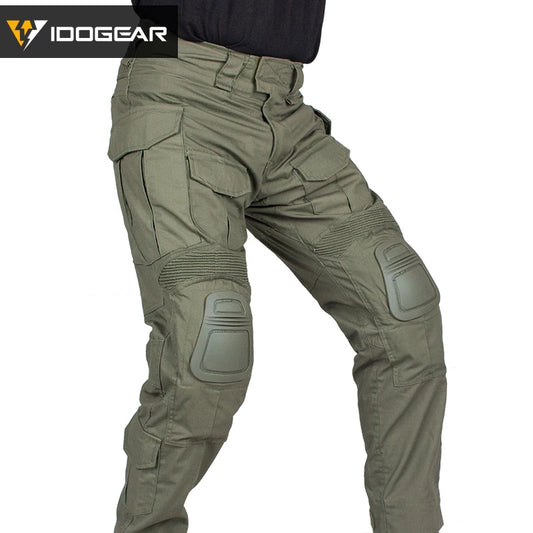
IDOGEAR G5 Combat Pants with Knee Pads – Ranger Green
Vendor:IDOGEARRegular price €119.99Regular price €119.99 Sale priceUnit price per€14014% -
IDOGEAR G3 Tactical Pants with Knee Pads – Multicam Black
Vendor:IDOGEARRegular price €99.90Regular price €99.90 Sale priceUnit price per€12016% -
IDOGEAR G3 Tactical Pants with Knee Pads – Ranger Green
Vendor:IDOGEARRegular price €99.90Regular price €99.90 Sale priceUnit price per€12016% -
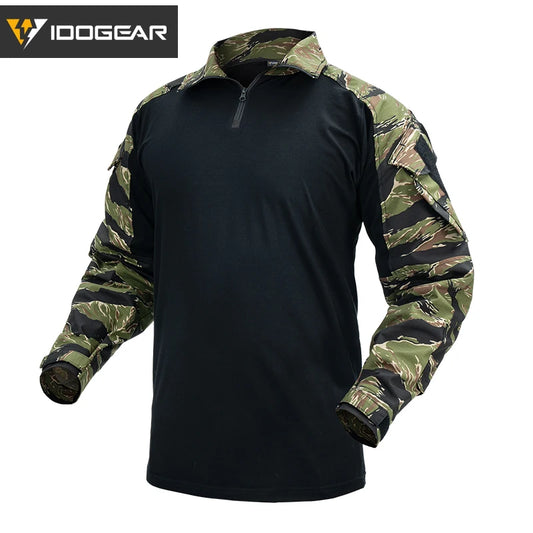
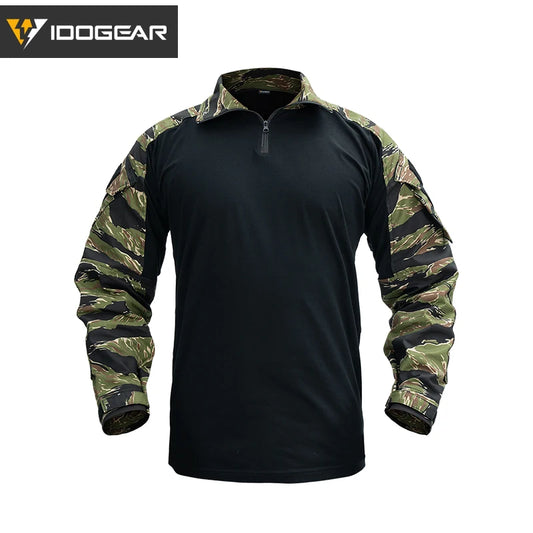
IDOGEAR G3 Combat Shirt with Elbow Pads – Vietnam Tiger Stripe
Vendor:IDOGEARRegular price €79.90Regular price €79.90 Sale priceUnit price per€10020% -
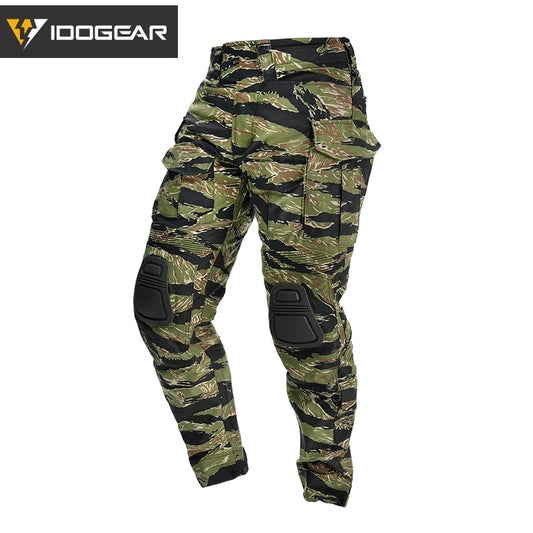
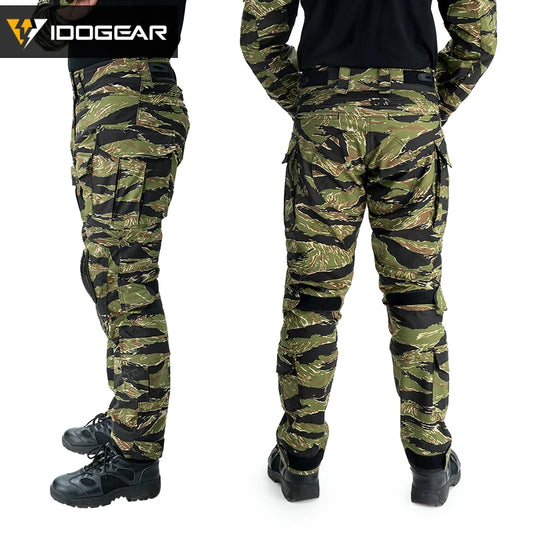
IDOGEAR G3 Tactical Pants with Knee Pads – Vietnam Tiger Stripe
Vendor:IDOGEARRegular price €99.90Regular price €99.90 Sale priceUnit price per€12016% -
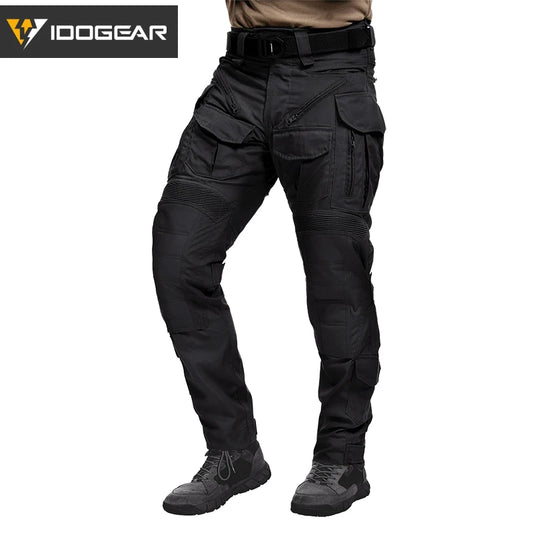
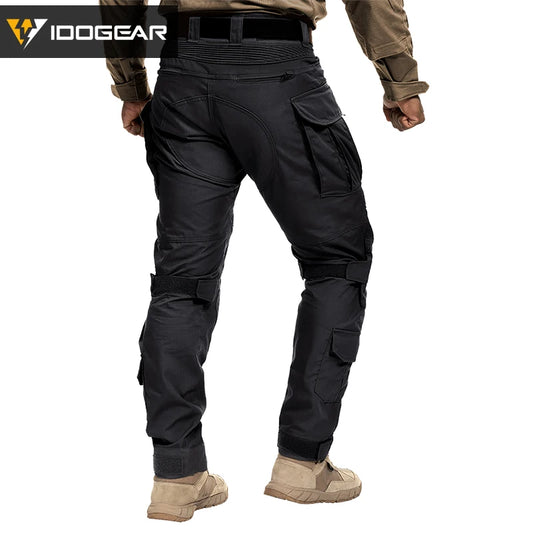
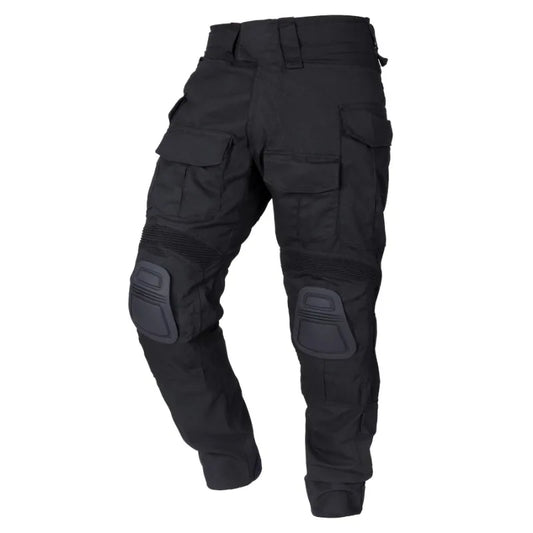
IDOGEAR G5 Combat Pants with Knee Pads – Black
Vendor:IDOGEARRegular price €119.99Regular price €119.99 Sale priceUnit price per€14014% -
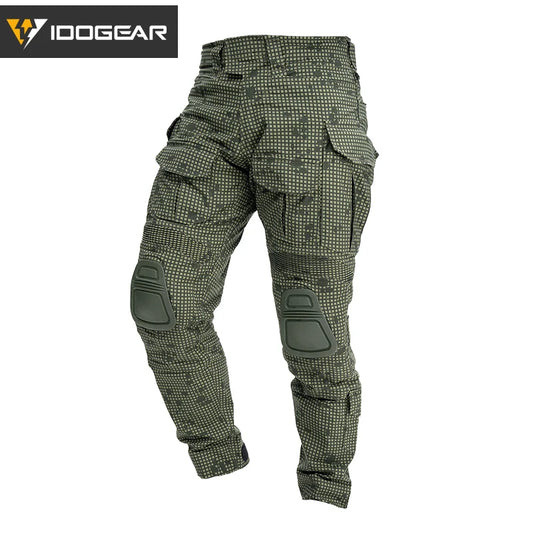
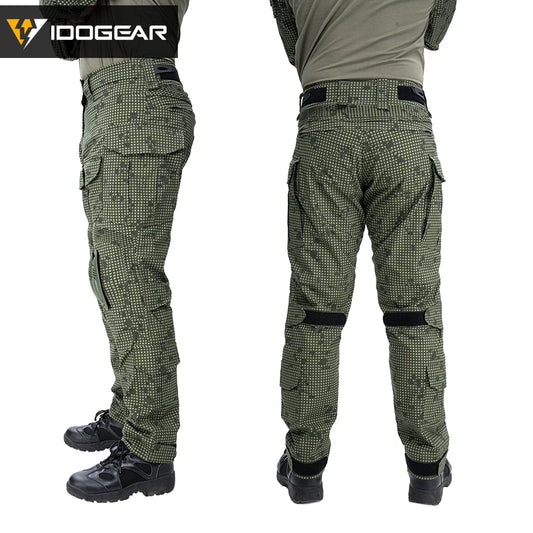
IDOGEAR G3 Tactical Pants with Knee Pads – Desert Night Camo
Vendor:IDOGEARRegular price €99.90Regular price €99.90 Sale priceUnit price per€12016% -
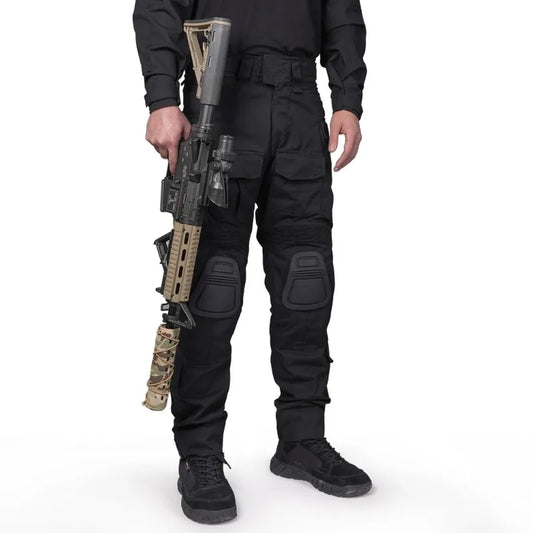
IDOGEAR G3 Tactical Pants with Knee Pads – Black
Vendor:IDOGEARRegular price €99.90Regular price €99.90 Sale priceUnit price per€12016% -
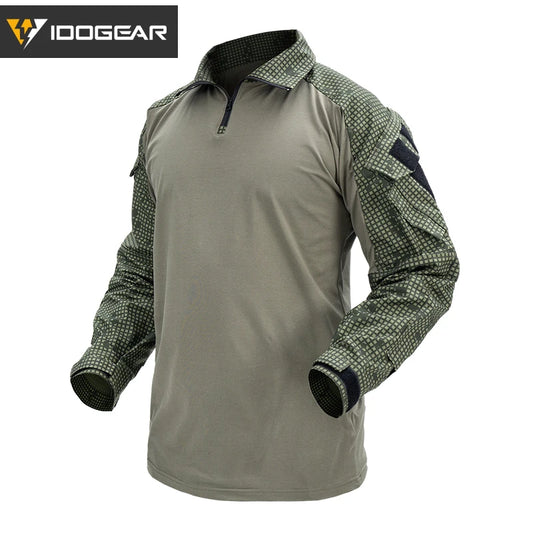
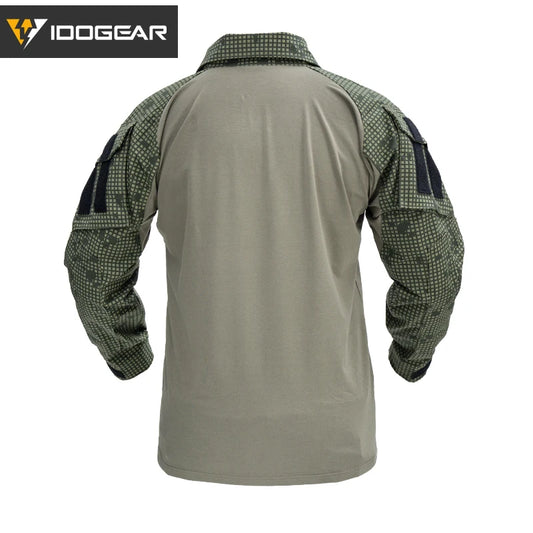
IDOGEAR G3 Combat Shirt with Elbow Pads – Desert Night Camo
Vendor:IDOGEARRegular price €79.90Regular price €79.90 Sale priceUnit price per€10020% -
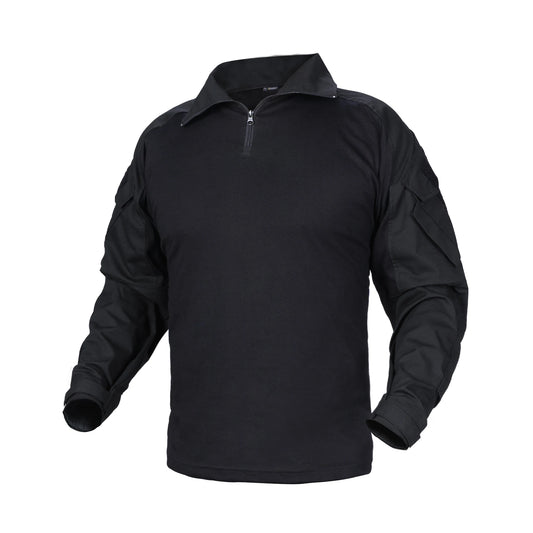
IDOGEAR G3 Combat Shirt with Elbow Pads – Black
Vendor:IDOGEARRegular price €79.90Regular price €79.90 Sale priceUnit price per€10020%
FAQ
Find answers to common questions about our products and services