
Quick overview: What is a ballistic helmet?
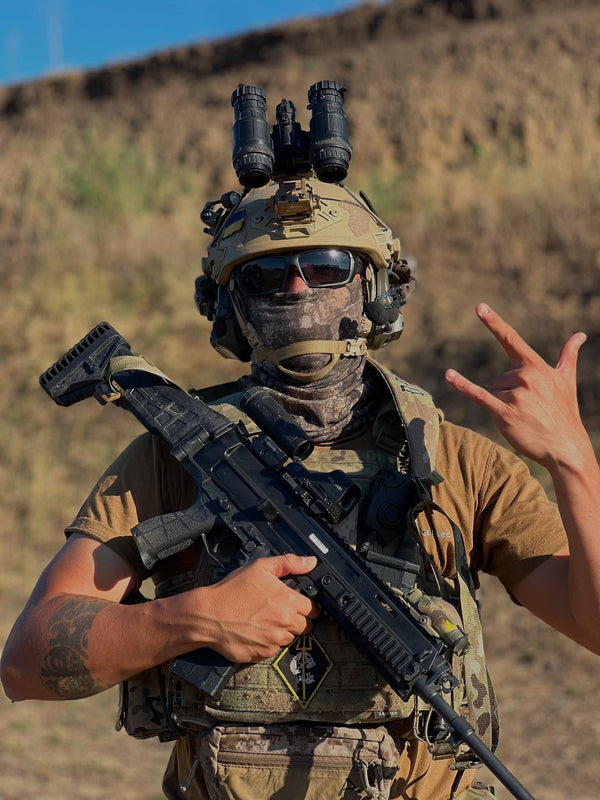
A ballistic helmet is protective headgear designed to reduce blunt trauma and stop or slow projectiles, fragmentation, and shrapnel. Modern combat helmets come with defined ballistic standards (for example, NIJ levels) and often combine shock-absorbing suspension, accessory rails, and mounting points for night vision, communication, and hearing protection.
Are cheap ballistic helmets safe?
Short answer: it depends. "Cheap" ballistic helmets often cut costs by using lower-grade materials, skipping independent certification, or omitting a quality suspension system. That can mean reduced protection against fragmentation and bullets, poor comfort, higher backface deformation, and less reliable performance under impact.
What to look for if safety is a priority:
- Independent certification or testing (NIJ standards, STANAG fragmentation V50 where applicable).
- Verified ballistic performance—what calibers and fragment velocities were tested.
- Quality suspension and retention systems to manage blunt-force energy.
- Build details: materials, hardware quality (e.g., stainless steel and MIL coatings), and accessory compatibility.
If you need reliable, mission-grade protection, look beyond the lowest price and choose helmets with documented NIJ or STANAG results and robust ergonomics.
What ballistic helmet accessories are worth buying?
Accessories can greatly increase a helmets functionality. Prioritize items that match your mission profile and ensure they are compatible with your helmets rails and mounts.
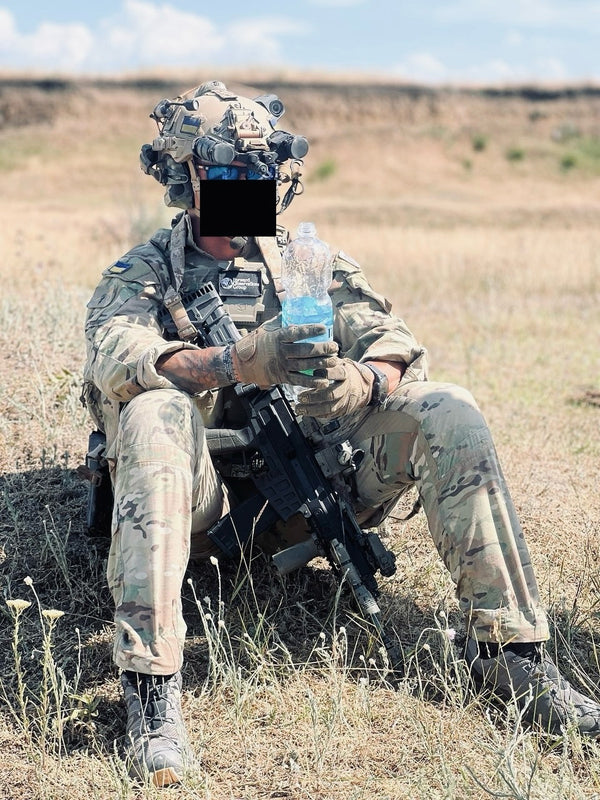
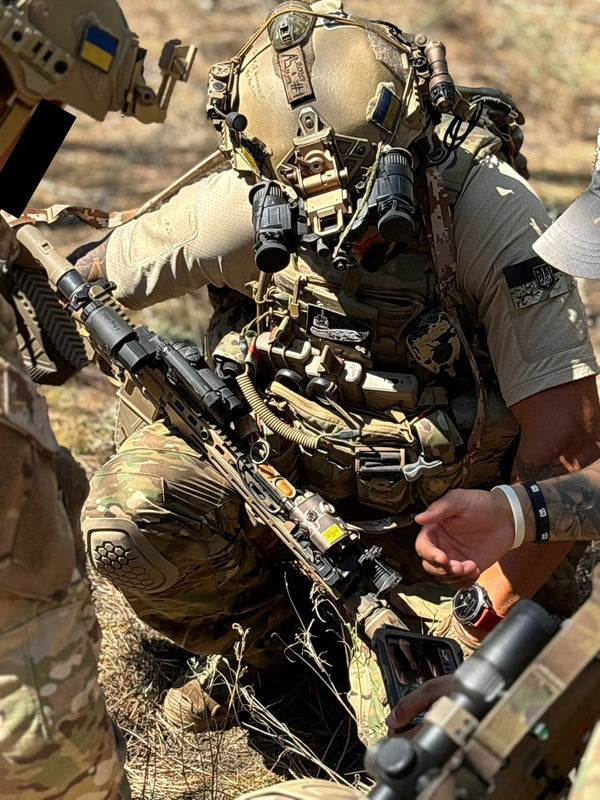
- Helmet mounts and shrouds for night-vision devices (NVG) or cameras.
- Tactical rails to attach lights, communications adapters, and visors.
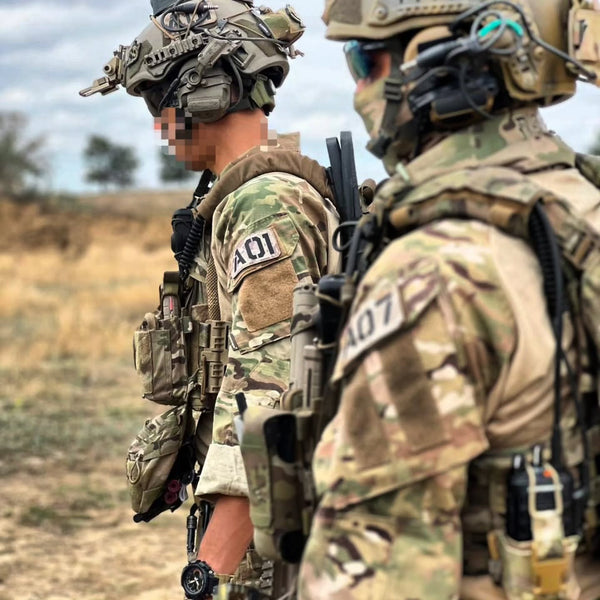
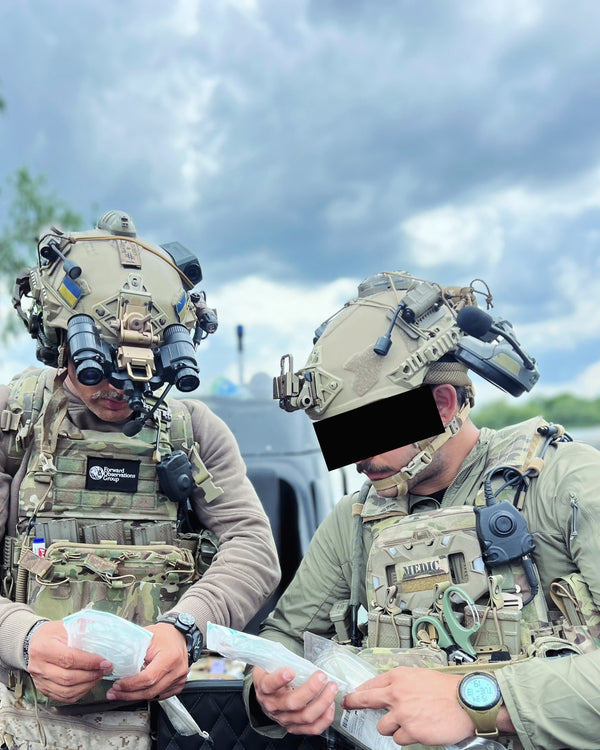
- Hearing protection and communication headsets that integrate with high-cut helmets for situational awareness and secure radio use.
- Padding and comfort liners to improve fit, sweat management, and impact absorption.
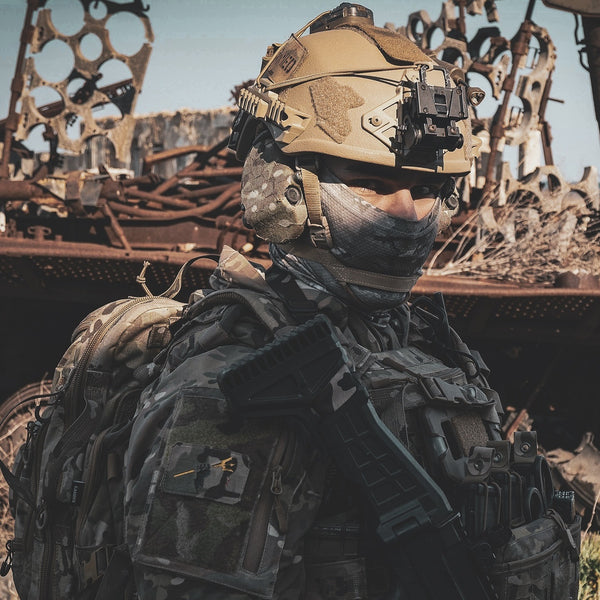
- Helmet covers for camo, abrasion protection, or reduced signature (see HHV cover note below).
- Retention upgrades (multi-point retention or quick-adjust wheels) to ensure the helmet stays stable under stress.
When adding accessories, verify that added weight and mounted equipment do not compromise the helmets balance or your neck safety.
Are there rifle-rated ballistic helmets?
"Rifle-rated" typically means protection against hard rifle rounds (for example 5.56 mm or 7.62 mm). Conventional soft-armor-style ballistic helmets rated NIJ Level III-A are designed to stop most handgun rounds, some fragments, and reduce blunt trauma—but they are not rated to stop modern rifle rounds. To defeat rifle rounds you need hard armor plates or helmets made with dedicated rifle-stopping composite inserts or steel/ceramic shells designed and tested to higher threat levels (NIJ Level III/IV or specific rifle-round testing).
Practical takeaway: if your operational requirement includes direct exposure to rifle fire, plan for supplemental hard plates or a helmet system explicitly tested for rifle threats. For typical tactical operations and fragmentation protection, a certified NIJ IIIA helmet provides excellent balance of weight, comfort, and multi-threat protection.
Ballistic helmet — a quick wiki-style summary
Key terms and metrics:
- NIJ Levels: Standards used to describe protection against specific projectile threats (III-A covers most handguns and some fragmentation).
- V50 (STANAG 2920): The velocity at which 50% of fast-moving fragments penetrate—used to measure fragmentation resistance.
- Backface Deformation (BFD): How far the helmet deforms inward on impact; lower numbers reduce the risk of traumatic brain injury even if the projectile doesn't penetrate.
- Suspension system: Internal pads/cushions and adjustment mechanisms to absorb shock and stabilize fit.
- Accessory rails and shrouds: Mount points for lights, comms, NVG, and hearing protection.
What is an HHV helmet cover?
"HHV helmet cover" often refers to a high-visibility or branded helmet cover product (HHV as an acronym can vary by manufacturer). More commonly, helmet covers are used for camouflage, signature management, abrasion protection, and to provide attachment points for patches and IR markers. Choose a cover that fits your helmets cut (high-cut vs standard) and doesnt interfere with rails, NVG shrouds, or headset seals.
Product recommendation and where it fits
For teams and operators who need a proven NIJ III-A level helmet with modern features—high-cut shell for headset compatibility, professional suspension with shock-absorbing cushions, MIL-grade hardware, and documented fragment performance—consider a certified helmet that balances comfort and certified protection. One example to evaluate for assault and tactical missions is
.
How to choose the right helmet for your needs
- Define threats: handgun & fragments vs rifle fire—pick NIJ IIIA for the former, hard armor for the latter.
- Check independent test data (NIJ, STANAG V50) and BFD results.
- Prioritize fit: a stable suspension system and proper sizing reduce injury risk.
- Evaluate accessory compatibility (rails, NVG shroud, headset fit).
- Consider total system weight and ergonomics for long missions.
Final notes
A helmet is a mission-critical item—dont rely solely on price. Look for documented performance, mission-appropriate threat coverage, and a comfortable, adjustable fit. Whether you need fragmentation resistance, NIJ III-A ballistic protection, or a platform that integrates with modern comms and night-vision systems, selecting a tested, compatible helmet will keep you safer in the field.