
What to know about ballistic helmets: quick overview
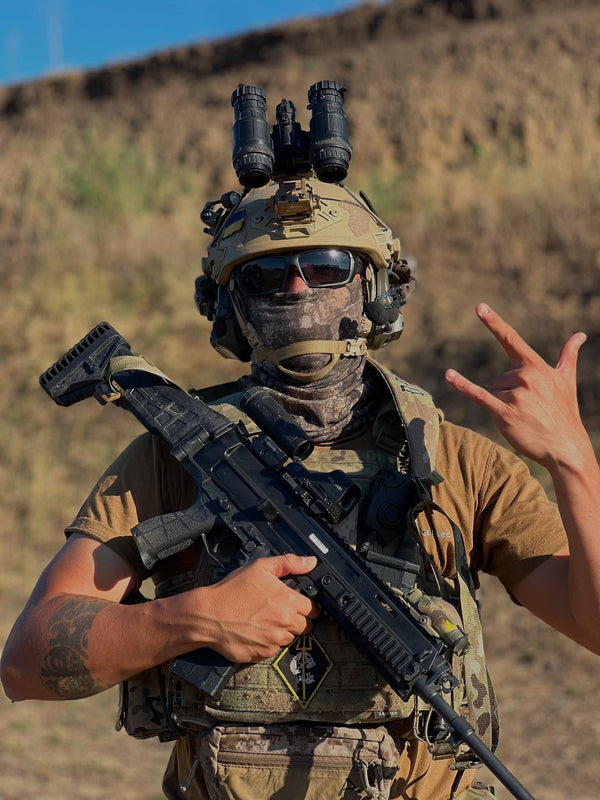
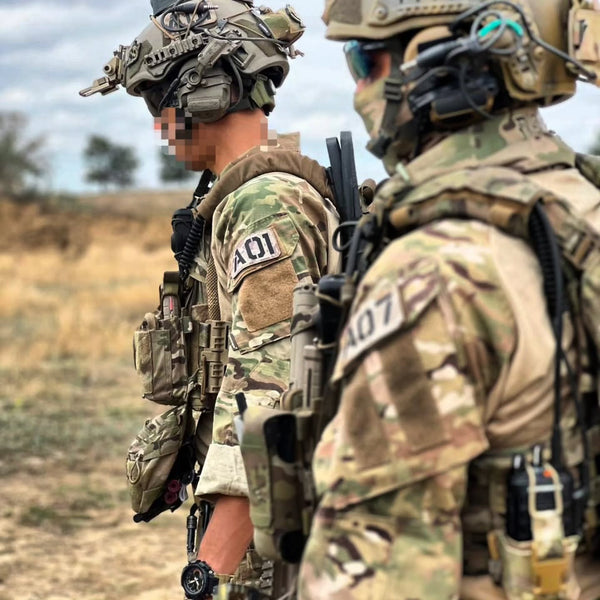
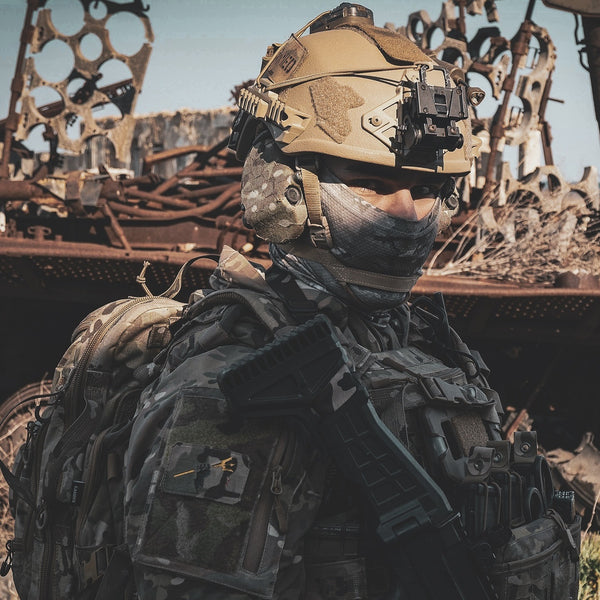
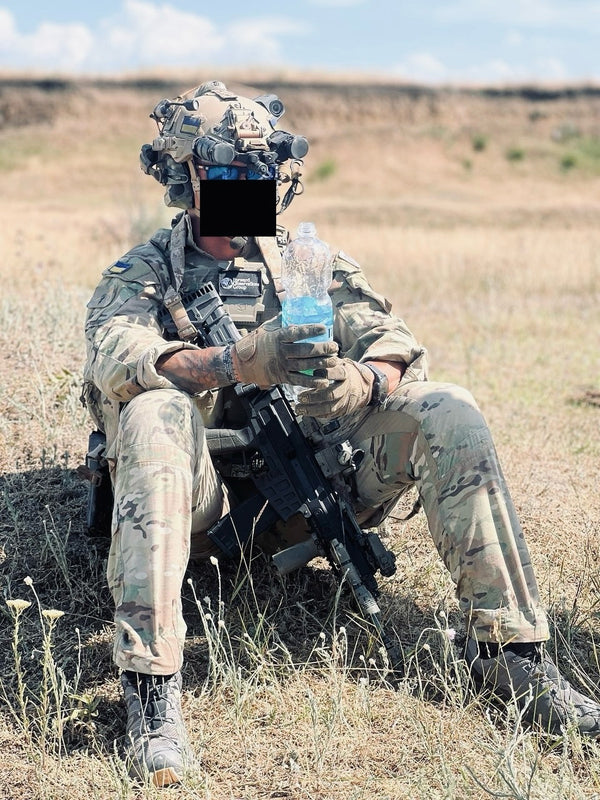
Ballistic helmets are purpose-built head protection used by military, law enforcement, and some security professionals. They are engineered to stop or reduce the effects of small-arms fragments, handgun projectiles, and blunt impact. Modern designs balance protection, weight, and accessory compatibility so operators can mount comms, night vision, and other mission equipment.
Frequently asked questions (based on common searches)
Are there cheap ballistic helmets worth buying?
"Cheap" ballistic helmets exist, but price often correlates with certification, materials, and testing. If you need true ballistic protection, look for verified certifications (e.g., NIJ Level IIIA for soft-cap protection) and independent test results. Lower-cost options might cut corners on workmanship, use lower-quality materials, or lack proper lab verification.
When evaluating budget helmets, consider:
- Certified protection level (ask for test certificates).
- Weight and balance — excessive weight reduces wear time and mobility.
- Fit and retention system — a poor fit defeats protection.
- Warranty and manufacturer reputation.
What ballistic helmet accessories should I consider?
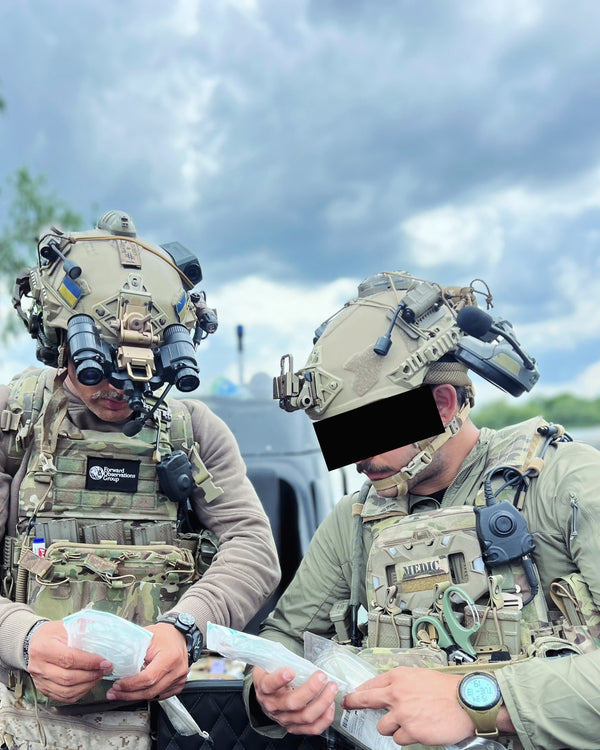
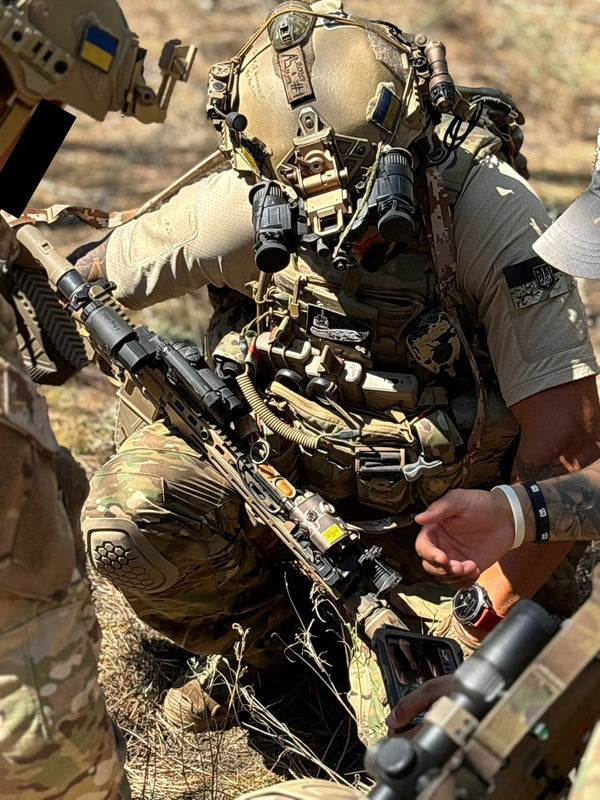
Accessories can turn a helmet into a full mission platform. Common and useful accessories include:
- NVG shrouds and night-vision mounts for night operations.
- ARC side rails or universal rails for lights, cameras, and comms headsets.
- Communication headsets compatible with the helmet cut (high-cut vs. mid-cut).
- Helmet covers (camouflage or high-visibility), counterweights for NVG balance, and retention upgrades.
- Replacement comfort pads and sweatbands — antimicrobial or moisture-wicking materials improve long missions.
Choose accessories that are low-profile, securely mount to the helmet, and do not compromise ballistic integrity (avoid drilling or insecure mounting methods).
Is there such a thing as a rifle-rated ballistic helmet?
Terminology matters: standard ballistic helmets certified to levels like NIJ IIIA are designed to defeat most handgun rounds, fragmentation, and blunt impact. They are generally not rated to stop rifle rounds (e.g., 5.56mm or 7.62mm). "Rifle-rated" protection typically requires hard armor components (plates or additional hard shells) made and tested specifically to stop rifle projectiles. Those solutions are heavier and often used in specialized roles.
If you require rifle protection for the head, look for systems specifically advertised and tested as rifle-rated and ensure you understand the extra weight, ergonomics, and operational limitations.
Where can I learn more — a short ballistic helmet wiki-style primer?
Here's a concise primer:
- History: Modern helmets evolved from steel and fiber shells to advanced composite materials (UHMWPE, aramid fibers) that offer better ballistic performance at lower weight.
- Standards: NIJ, STANAG, and other organizations define ballistic performance metrics like penetration, backface deformation, and fragmentation V50.
- Design types: Full-cut (more coverage), mid-cut, and high-cut (better headset compatibility).
- Fit and suspension: Proper retention, liner design, and padding are essential for protection and blast mitigation.
- Use cases: Military, law enforcement, EOD, and private security have different needs—pick a helmet matched to mission threats and equipment.
What is an HHV helmet cover and when do you use it?
"HHV" commonly refers to high-visibility or high-heat/technical covers in some contexts — but most users search for helmet covers that are either:
- Camouflage covers: Designed to break up silhouette and match operational environments (Multicam, woodland, urban patterns).
- High-visibility covers: Bright or reflective covers used during traffic control, rescue, or training to improve recognition.
- Environmental covers: Waterproof, flame-resistant, or heat-resistant fabrics for specific conditions.
Choose a cover that fits your helmet model and does not interfere with rails, shrouds, or mounted equipment.
Buying guidance: choosing the right operational helmet
Match the helmet to your mission. Consider these core factors:
- Protection level required (handgun/fragmentation vs. rifle-rated solutions).
- Helmet cut (high-cut for comms compatibility, full-cut for maximum coverage).
- Weight and center of gravity — affects fatigue and NVG balance.
- Compatibility with headsets, NVGs, and rails.
- Proven certifications and test documentation (NIJ, STANAG, V50 metrics).
Recommended option for operational users
For operators seeking a mission-ready, proven helmet that balances certified protection, accessory compatibility, and comfort, consider
— it offers NIJ Level IIIA protection, a high-cut shell for headset and NVG integration, shockwave mitigation features, and a field-proven Multicam finish suitable across environments.
Care and maintenance tips
- Always follow the manufacturer’s cleaning instructions for pads and covers.
- Inspect hardware and retention systems regularly for corrosion or wear.
- Store helmets in a cool, dry place away from UV when not in use.
- Replace impact-affected helmets or any helmet involved in a ballistic event—do not reuse after suspected compromise.
Final thoughts
Choosing the right ballistic helmet is a balance of verified protection, comfort, and modularity. Prioritize certified performance and fit, plan for the accessories you need, and maintain your gear to keep it operational on deployment or in the field.