
Ballistic Helmet FAQ & Buying Guide
Whether you’re equipping for range training, professional duties, or serious preparedness, choosing the right ballistic helmet requires understanding protection levels, accessories, fit and common trade-offs. Below are concise answers to common questions people search for when researching ballistic helmets.
What should I know about cheap ballistic helmets?
Price and protection are closely related. Very low-cost helmets often cut corners on materials, testing, and quality control. When shopping on a budget, keep these points in mind:
- Certification: Look for helmets tested to recognized standards (e.g., NIJ levels). A certified helmet is far more reliable than an untested cheap unit.
- Material & construction: High-quality aramid or UHMWPE composites provide predictable ballistic performance. Cheap shells may use inferior fibers or resins.
- Fit & retention: A helmet that doesn’t fit or hold position is useless in critical situations. Verify adjustable retention and comfort padding.
- Intended use: If you need non-ballistic impact protection for airsoft or training, a lower-cost option may be acceptable. For real ballistic protection, avoid bargain-basement helmets without proper certification.
- Warranty & support: Reputable manufacturers back their products with warranty and replacement policies—important for long-term reliability.
What ballistic helmet accessories should I consider?
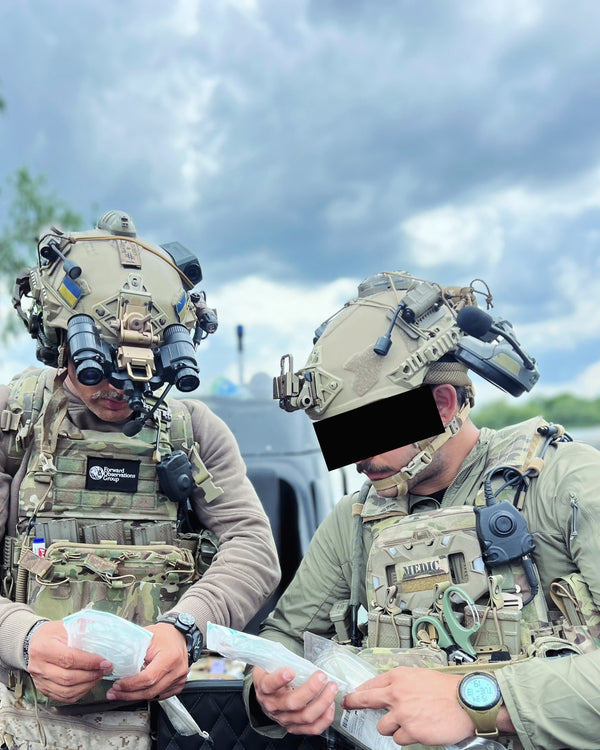
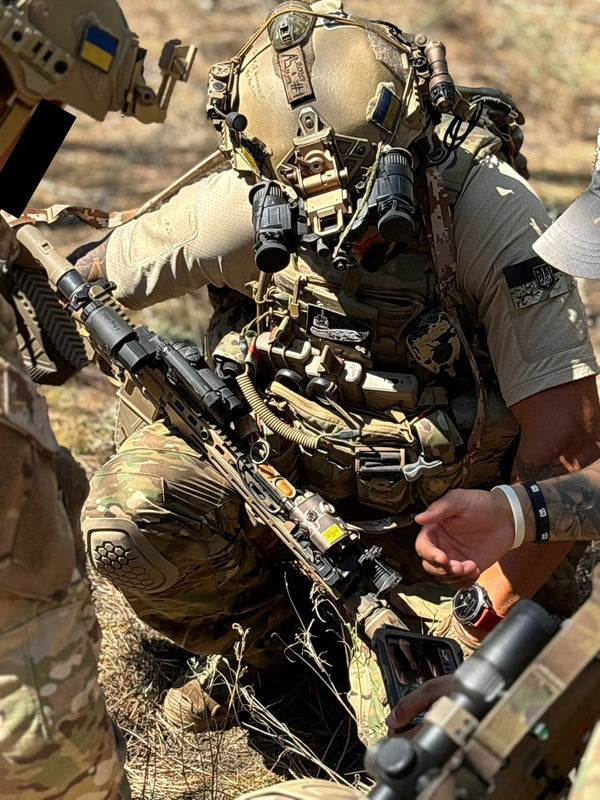
Accessories can dramatically increase a helmet’s functionality. Common and useful add-ons include:
- Audio/headset systems (NRR-rated) for hearing protection and comms integration.
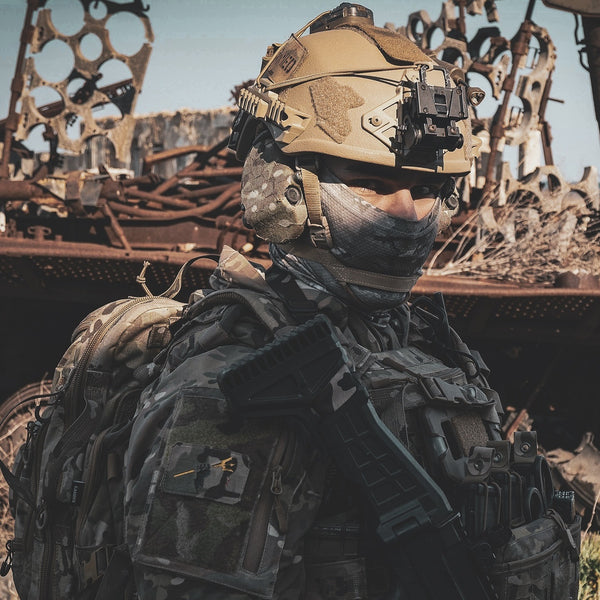
- Accessory rails and mounts for lights, cameras and remote pressure switches.
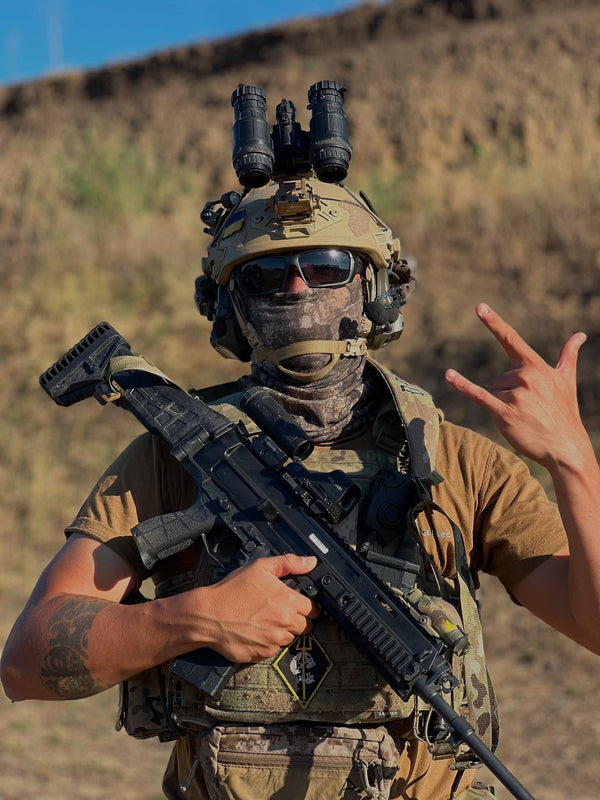
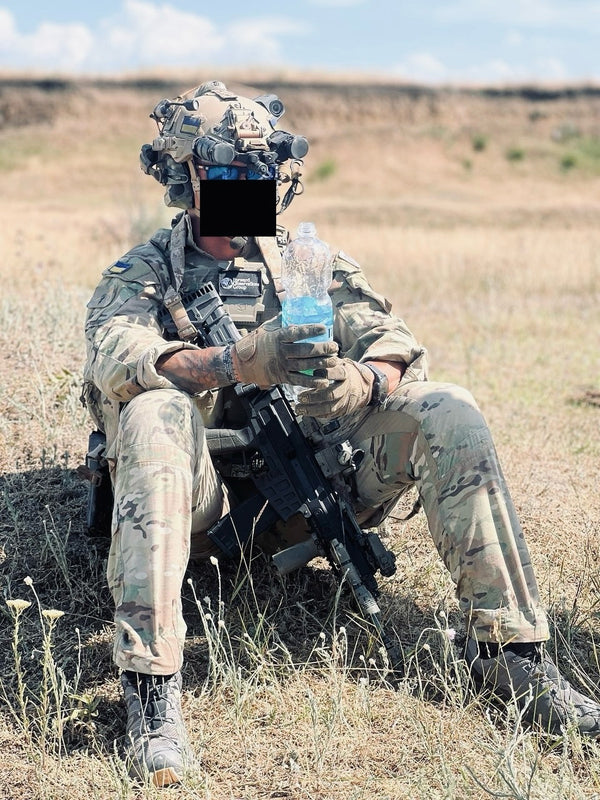
- NVG (night vision) mounts and counterweights for balancing optical loads.
- Helmet covers (Cordura or elastic) with MOLLE/Velcro for patches and camouflage.
- Comfort and sweat-wicking pads, upgraded retention systems and chin straps.
When pairing accessories, ensure the helmet shell supports rail attachments and has enough clearance for head-borne devices. Proper balance and retention are critical once accessories are mounted.
Is there such a thing as a rifle-rated ballistic helmet?
Short answer: No—at least not in the way people often expect. Helmet ratings and rifle ratings differ:
- Most ballistic helmets are rated to stop handgun rounds and some fragments (e.g., NIJ Level III-A).
- Rifle-rated protection (e.g., stopping 5.56 or 7.62 rifle rounds) usually requires hard armor plates and is not achievable by standard soft-shell helmets without heavy, rigid inserts that dramatically increase weight and bulk.
- If you need rifle-level protection for the head, look for specialized solutions designed and tested for that purpose—understand that they will be heavier and may limit mobility and NVG compatibility.
For most users, a certified NIJ Level III‑A helmet offers an appropriate balance of blunt impact, fragmentation and handgun protection while remaining practical for extended wear.
Where can I learn the basics — a quick ballistic helmet overview?
Here’s a short primer:
- Purpose: Ballistic helmets protect against shrapnel, handgun rounds (depending on rating), and reduce traumatic brain injury from blunt impacts.
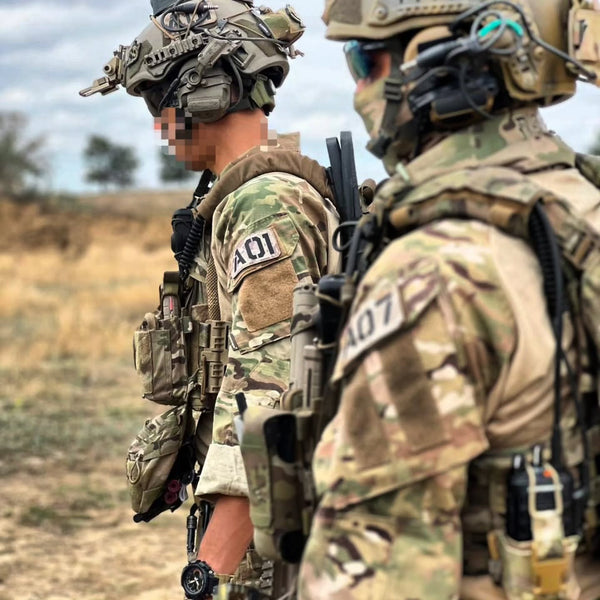
- Shell types: High-cut (ear-friendly for headsets), mid-cut and full-cut. High-cut shells provide rail/headset compatibility at the expense of ear protection.
- Ratings: NIJ standards are commonly referenced—understand the level (e.g., III‑A) and what threats it covers.
- Comfort & fit: Modular padding, adjustable suspension/retention systems, and low profile mounting options matter for long missions.
- Accessory integration: Rails, shroud, and Velcro allow mounting of lights, comms and NVG systems. Matching accessories to the shell is part of system design.
What is an HHV helmet cover and why would I use one?
The term "HHV helmet cover" often refers to a heavy-duty helmet cover (sometimes used as shorthand by vendors). Helmet covers serve several roles:
- Camouflage & signature reduction: Covers break up the helmet profile and allow color/pattern changes.
- Accessory mounting: Many covers include MOLLE or Velcro panels for patches and small pouches.
- Protection & organization: They protect the shell finish and can provide pockets for counterweights or batteries.
- Quick removal: Well-designed covers allow access to mounted devices without fully stripping the helmet.
Look for Cordura-grade materials, reinforced attachment points, and a design that accommodates your NVG/rail footprint. Features like a patch panel, battery pockets and cutouts for mounting hardware are practical benefits.
Putting it together: a recommended approach
Start by defining mission needs: level of ballistic threat, expected wear time, and required electronics (comms, NVG, lights). Choose a helmet shell with the right cut (high-cut if you use active headsets), confirmed certification (e.g., NIJ Level III‑A for handgun/fragment protection), and robust rail/mount options. Add comfort pads and a reliable retention system before adding heavy accessories. If you want a complete, tested kit that balances protection, comfort and integrated accessories, consider a ready-made kit that includes a certified shell, integrated headset, rail adapters, light and a tactical cover like the one in this guide:

Quick checklist before you buy
- Is the helmet certified? (Check NIJ or equivalent test reports.)
- Does the cut support your headset/NVG needs?
- Are rails and shrouds compatible with the accessories you plan to mount?
- Can the retention system be adjusted to your head shape comfortably?
- Does the kit include a cover, light and headset—if you want a full solution?
Choosing the right ballistic helmet is about matching protection to mission and ensuring the helmet integrates well with your comms and sighting systems. With the right balance of certification, fit, and accessories you’ll get a system that’s safe, comfortable and effective.