
Quick overview: What is a ballistic helmet?
A ballistic helmet is head protection designed to stop or reduce blunt and ballistic threats to the skull. Modern helmets balance ballistic performance (typically tested to NIJ standards), fragmentation resistance, retention comfort and modularity for mounts, rails, and covers. Most tactical helmets are rated to protect against handgun threats (NIJ Level III-A) and fragments rather than high-velocity rifle rounds.
Are cheap ballistic helmets safe?
Short answer: It depends. Low-cost helmets can offer basic blunt and fragmentation protection, but safety depends on certified testing and verified materials.
- Check certification: Look for NIJ or equivalent test reports. NIJ Level III-A is common for stopping most handgun threats and fragments.
- Avoid unknown sellers: Unverified manufacturers may mislabel products or skip testing.
- Consider mission needs: "Cheap" helmets may be acceptable for low-risk training or display, but for operational use prioritize verified ballistic performance and proper fit.
What ballistic helmet accessories should I consider?
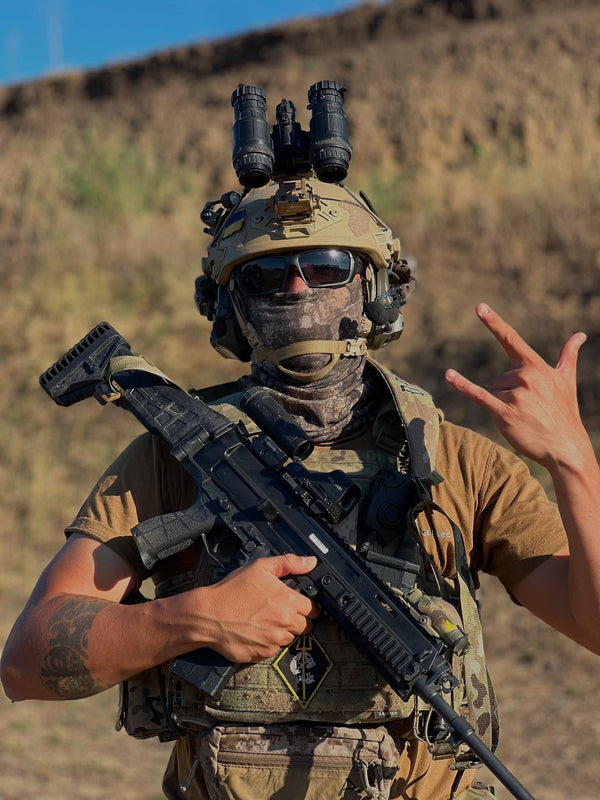
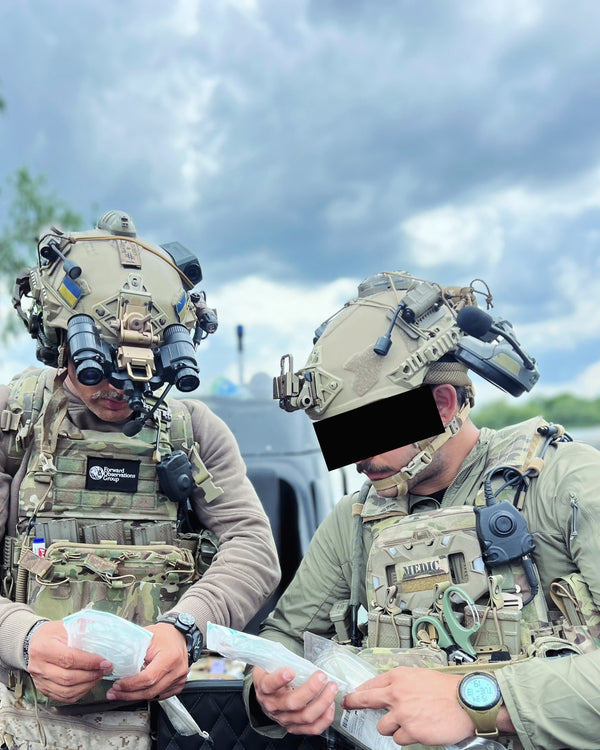
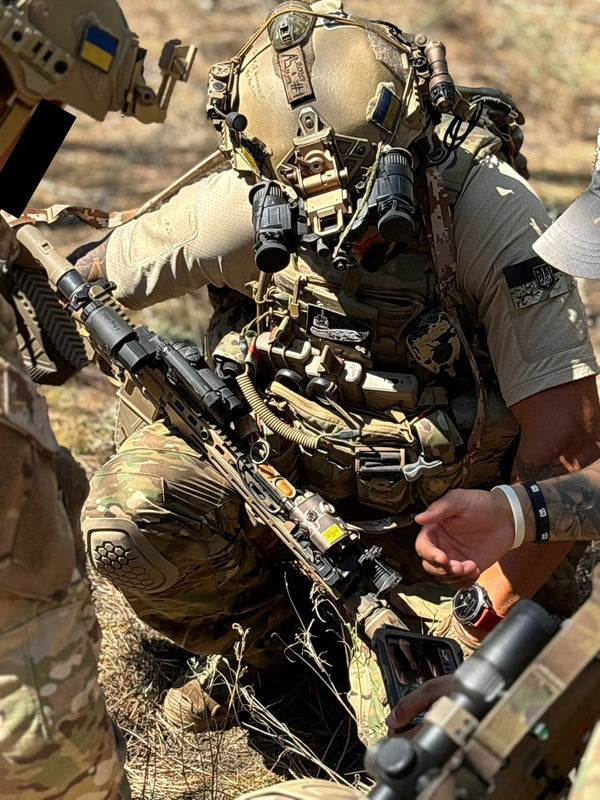
Accessories make a helmet more useful and comfortable for tactical work. Common accessory categories include:
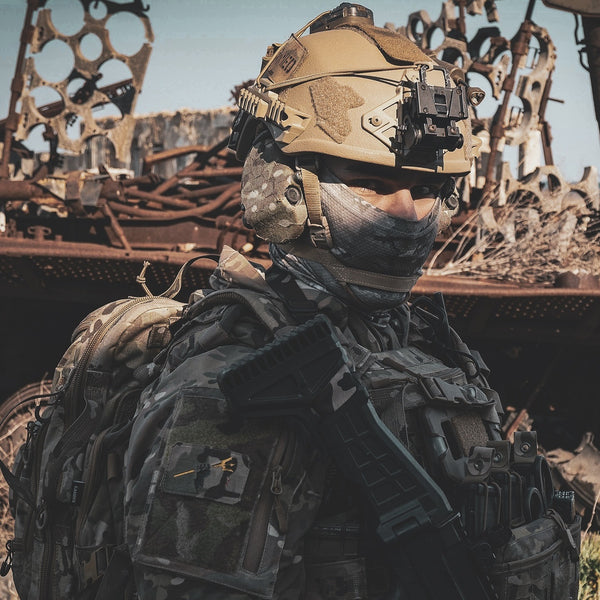
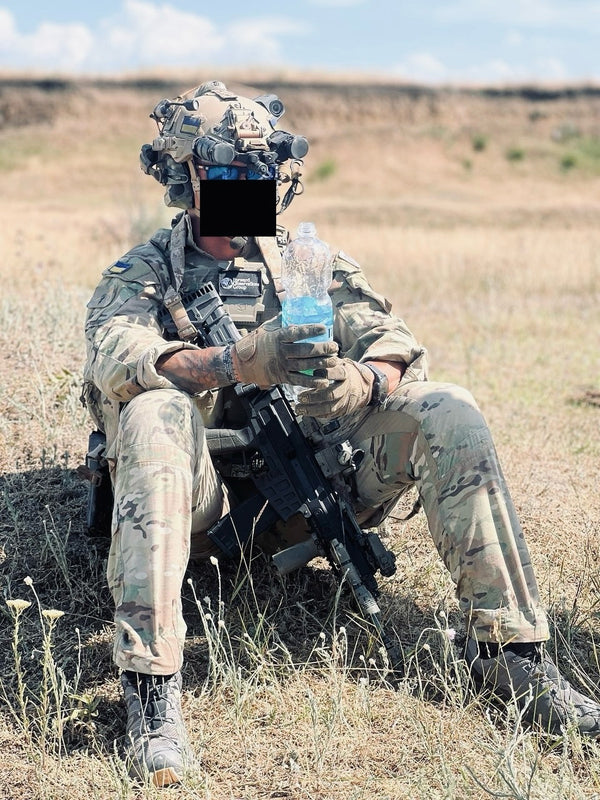
- NVG mounts and shrouds – for night-vision goggles and optics.
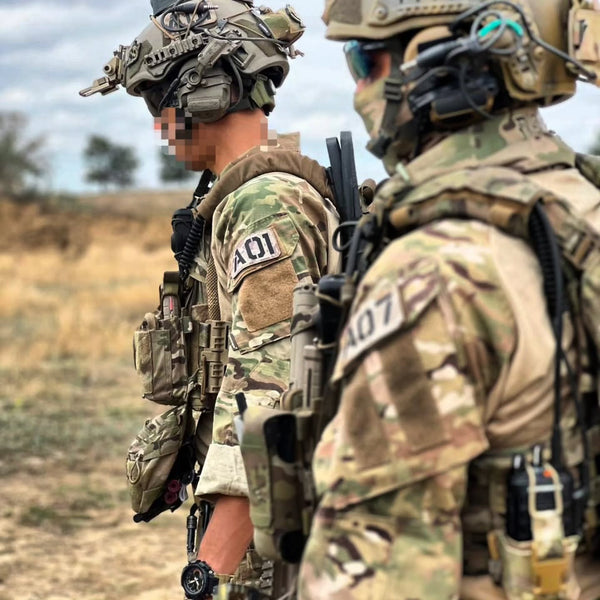
- Side rails – to attach lights, comms headsets, and cameras.
- Retention and comfort systems – improved pads and suspension for extended wear.
- Tactical covers – protective fabric covers with MOLLE panels, patch fields, and pockets for counterweights or batteries.
- Helmet lights and strobes – for identification and low-light tasks.
Is there such a thing as a rifle rated ballistic helmet?
Rifle-rated helmets capable of stopping standard rifle rounds are rare and tend to be significantly heavier and bulkier. Most commercial and tactical helmets are rated to NIJ Level III-A, which stops most handgun threats and fragments but not rifle cartridges. For rifle protection, operators typically rely on hard armor plates (Level III or IV) in conjunction with helmets rather than expecting a helmet alone to stop rifle rounds.
Where can I learn more—ballistic helmet wiki-style summary
A concise reference:
- History: From steel pots to composite shells (Kevlar, UHMWPE, hybrid composites) for improved weight-to-protection ratios.
- Standards: NIJ levels (III-A common for helmets) and industry test methods for V50 fragmentation and backface deformation.
- Key metrics: V50 (fragment performance), backface deformation (BFD), and certified threat levels.
- Trade-offs: Higher protection usually means more weight and heat; choose based on threat profile and mission duration.
What is an HHV helmet cover and why use one?
HHV or high-utility/tactical helmet covers are fabric overlays that protect the shell, reduce glare, provide mounting points (MOLLE, Velcro), and allow customization. Good covers use durable fabrics (Cordura 500D or similar), include patch fields and pockets for counterweights or batteries, and attach securely without impairing mounts or NVG removal.
If you want a helmet with an upgraded tactical cover, integrated rails, a waterproof light, and NIJ III-A protection, consider options that bundle these features for convenience and tested performance:

Buyer’s checklist: How to choose the right ballistic helmet
- Confirm certified ballistic rating (NIJ test reports where applicable).
- Evaluate weight vs. protection — lighter shells reduce fatigue.
- Check compatibility with NVG mounts, rail accessories, and communications headsets.
- Inspect retention system and comfort pad configuration; make sure it adapts to your head shape.
- Look for practical accessories: reliable helmet lights, covers with MOLLE/Velcro panels, and pockets for batteries/counterweights.
Final tips
Prioritize verified protection and mission compatibility over the lowest price. Test fit helmets with the gear you plan to use (headsets, NVG, goggles) and follow maintenance guidelines for pads, straps, and covers. Proper fit and certified performance are the best ways to ensure a helmet will protect you in the scenarios it was designed for.