
The Real Difference Between Ballistic and Tactical Helmets

The Real Difference Between Ballistic and Tactical Helmets

Ballistic vs tactical helmets: How to distinguish protection from appearance 

In the tactical gear world, people often mix up tactical helmets and ballistic helmets. When comparing ballistic vs tactical helmets, start here: tactical is not a protection level. It may describe a role, configuration, or accessory platform. Ballistic refers to documented model performance against a defined projectile or fragmentation threat. A ballistic helmet can be tactical, while a tactical-looking or FAST-style model may be non-ballistic. This article compares ballistic tactical helmets with non-ballistic tactical helmets, usually bump helmets, and explains which protection data to verify rather than relying on appearance. 

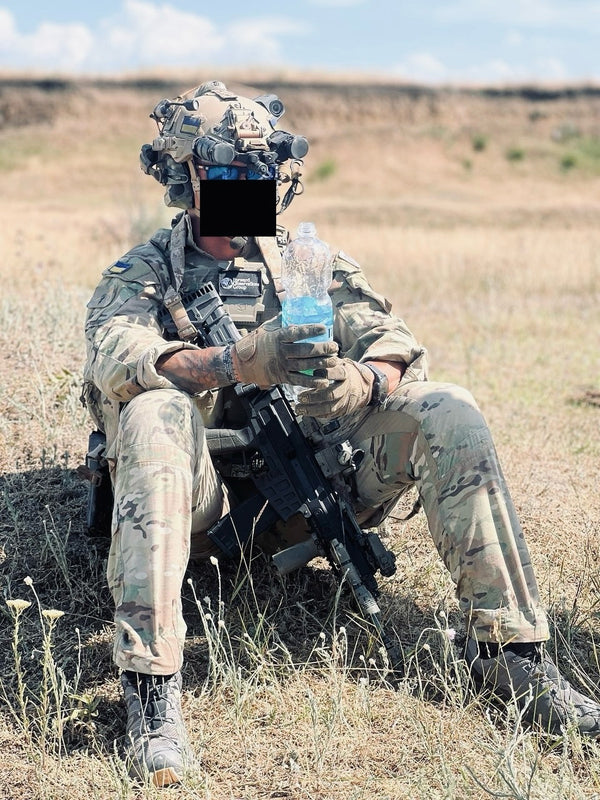
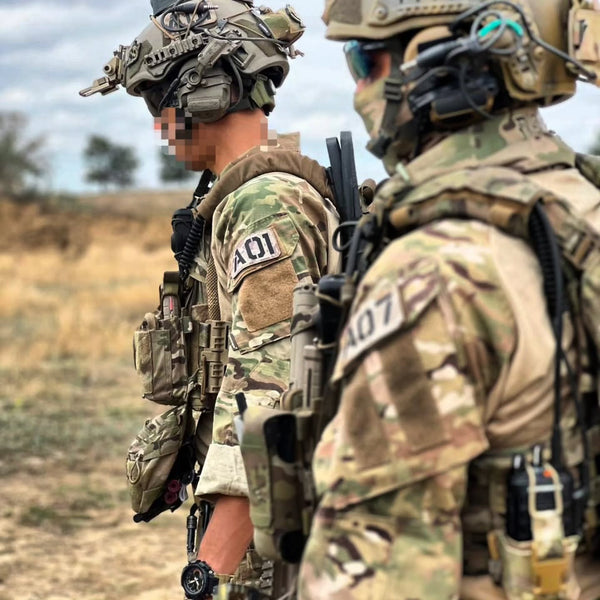
Tactical personnel wearing helmets with mounted equipment in an open field environment.

Why “tactical” doesn’t always mean “ballistic”

A tactical helmet is a broad functional term covering ballistic and non-ballistic platforms for tactical use or equipment integration. 

A non-ballistic tactical helmet has no established ballistic performance. A bump helmet commonly provides impact protection under stated test conditions; this protection does not replace ballistic performance.

A ballistic helmet is designed and tested against specified projectile and/or fragmentation threats under defined conditions. Ballistic protection is threat-specific and does not imply resistance to every projectile or fragment.

Materials and Construction

Type Material Typical Weight Protection Level
Tactical Helmet ABS / Fiberglass 0.8–1.0 kg Impact only
Ballistic Helmet Aramid / UHMWPE 1.3–1.6 kg NIJ IIIA

Modern ballistic helmets, like the FAST and Maritime types, use layered aramid fibers pressed under high heat.
The result — lightweight protection that meets military standards without sacrificing comfort.

Close-up of a tactical helmet with a cover, side rails, retention straps and mounted equipment.

NIJ IIIA Standard Explained

NIJ IIIA is the most common protection level for helmets used by military and law enforcement.
It means the helmet can stop:

  • 9mm FMJ bullets at 426±9 m/s

  • .44 Magnum SJHP bullets at 436±9 m/s

This level is ideal for real combat zones, CQB missions, and close-protection units.

If a helmet doesn’t specify an NIJ rating, it’s most likely not ballistic.

Tactical tells you how a helmet may be configured or used. Ballistic tells you what type of tested protective performance is being claimed.

Ballistic vs non-ballistic tactical helmets: quick comparison

Criterion

Non-ballistic/bump tactical helmet

Ballistic tactical helmet

Primary protective function

Designed primarily to reduce specified blunt-impact risks from bumps, falls or contact with hard surfaces within the applicable impact-test conditions.

Designed and tested to resist specified bullets and/or fragments under documented conditions while also serving as a platform for tactical equipment.

Limits of protection

A bump designation, high-cut shape, thick shell, rails or military styling does not establish resistance to bullets or ballistic fragments.

Protection is limited to the documented threats. Testing against one projectile or fragment does not prove resistance to every bullet, fragment or ballistic event.

Impact protection

Usually the principal protective claim. Verify the applicable protocol and results because bump helmets do not automatically provide identical impact performance.

May also have documented blunt-impact performance, but this requires applicable impact-test evidence. A ballistic report alone does not confirm it. 

Shell materials

Commonly ABS, polycarbonate, fiberglass, carbon-fiber composites or other non-ballistic constructions. Material and visible thickness do not replace impact-test evidence.

Commonly aramid, UHMWPE or hybrid ballistic composites. The material name alone does not establish protective performance. 

Configured weight

Generally lighter in comparable sizes and basic configurations. 

Generally heavier because of the protective shell. 

Accessory integration

May include rails, an NVG shroud and compatible mounts, depending on the model. 

May support comparable equipment interfaces. Compatibility depends on the exact helmet and component specifications. 

Evidence to verify

Model-specific documentation supporting the stated impact performance. 

Model-specific documentation supporting the stated projectile and/or fragmentation performance. 


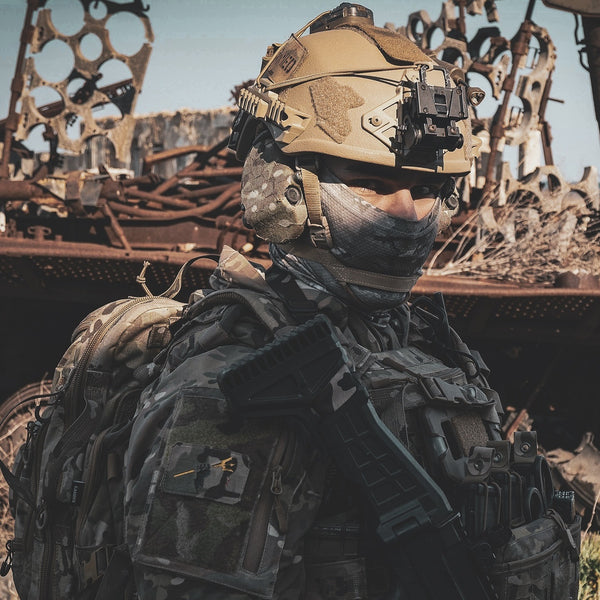
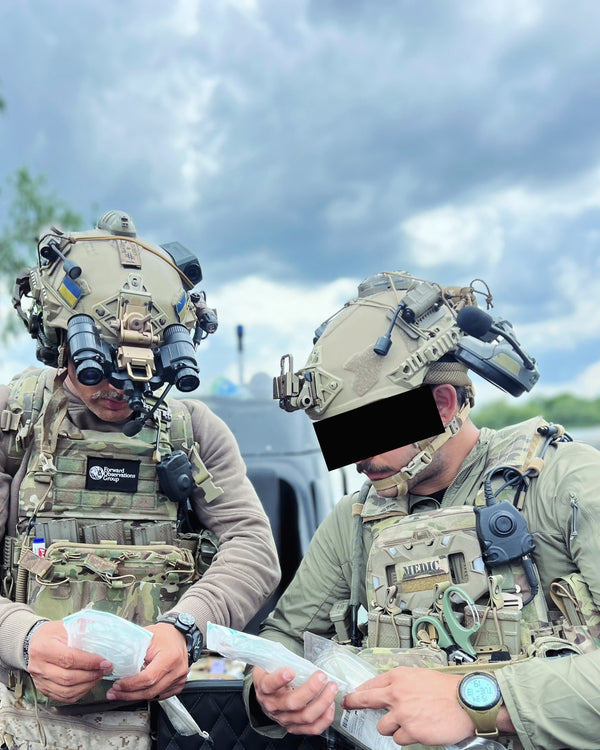
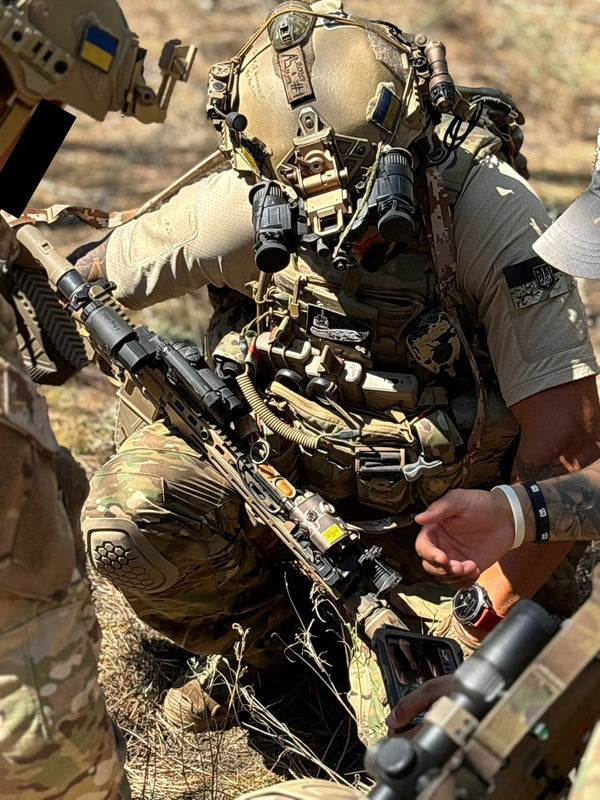
A shared FAST-style geometry allows ballistic and bump helmets to accommodate similar equipment. The high-cut profile creates clearance for headset ear cups, while rails, an NVG shroud, hook-and-loop panels, and retention hardware support mounting, cable management, identification, and stability with attached equipment.

View the Blender™ Ballistic FAST Helmet

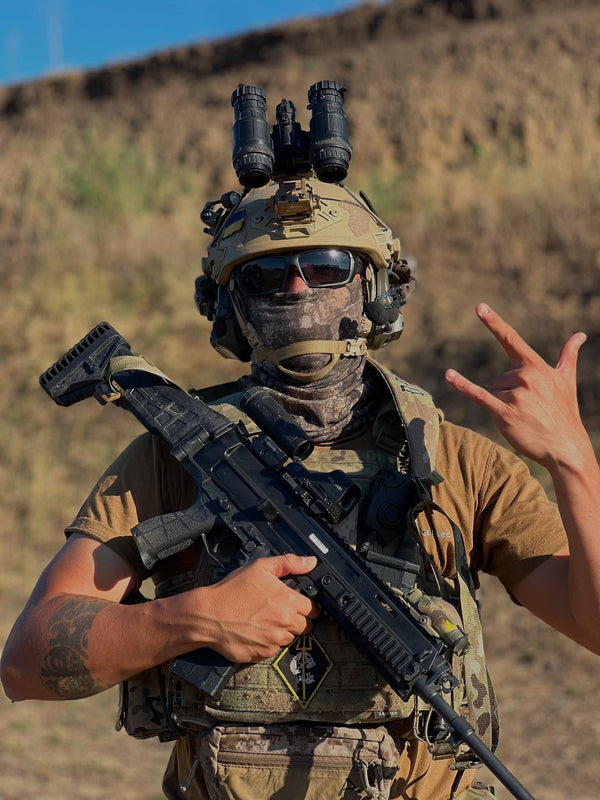
Tactical equipment user wearing a helmet with mounted night-vision equipment during a field operation

How can you verify whether a tactical helmet is ballistic?

Verify the claim against documentation for the exact helmet model and configuration. To determine how to tell if a helmet is ballistic, record the model, SKU, shell and components. Identify whether the stated protection covers impact, projectile threats, fragmentation or a combination. Then review ballistic helmet ratings and test results for the protocol or standard, projectile or fragment type, velocity and test conditions. Confirm that the report applies to the same shell and tested configuration. Treat marketing claims, manufacturer specifications and third-party test reports as separate evidence. IIIA-style is marketing wording, not a documented result. The absence of an NIJ designation does not prove a helmet is non-ballistic because another standard or military protocol may apply. Likewise, the word ballistic is insufficient without model-specific evidence. 

How protection and accessory integration are verified in a BlenderTac kit

A BlenderTac kit combines two evidence tracks. Model-specific documentation supports the shell protection claim for the exact helmet SKU, while component specifications and compatibility data support accessory integration. Shell evidence and component evidence are not interchangeable: a helmet report does not confirm accessory fit or function, and accessory specifications do not extend to the shell. This product card provides a concrete example of a configuration that must be checked through both evidence tracks. 

Covered tactical helmet with side rails and a mounted light attachment.

Blender™ FAST Ballistic Military Helmet 3M Peltor Comtac Kit NIJ IIIA – Ranger Green 

Configured with a Blender™ Ballistic FAST Helmet, a 3M Peltor ComTac XPI active hearing protection headset, ARC rail adapters, a Sidewinder MPLS 5-LED light, Ranger Green cover and identification patches. 

Key takeaways 

In a bump helmet vs ballistic helmet decision, start with the assessed threat. Choose a documented bump platform only when ballistic exposure is excluded and its impact specification matches the hazards. When projectile or fragmentation exposure is identified, select a ballistic model with matching documented performance. For the full selection process, see how to choose the right ballistic helmet

Where to Find Reliable Ballistic Helmet Kits

If you’re building your loadout or upgrading your protection,
check the latest ballistic helmet kits by BlenderTac
battle-tested designs with integrated comfort pads, rail systems, and verified NIJ IIIA protection.

🛍️ Product

Blender™ Ballistic FAST Helmet 3M Peltor Comtac Kit NIJ IIIA – Ranger Green

BlenderTac Ranger Green kit: NIJ IIIA FAST helmet, 3M ComTac XPI headset, MPLS 5-LED light, tactical cover, and mounts. Built for professionals.

by Blender Tactical ✓ Available
🛒 View Product


Zurück zum Blog