
Qu’est-ce qu’un casque balistique ?
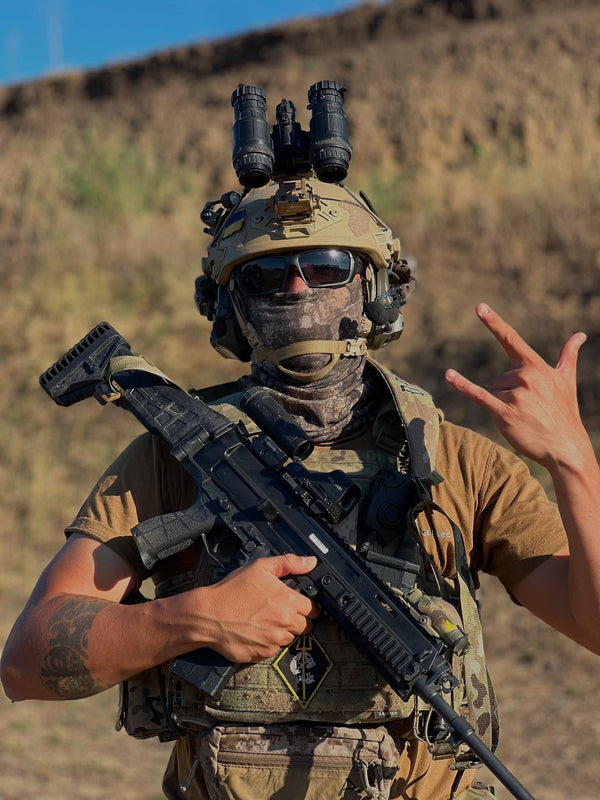
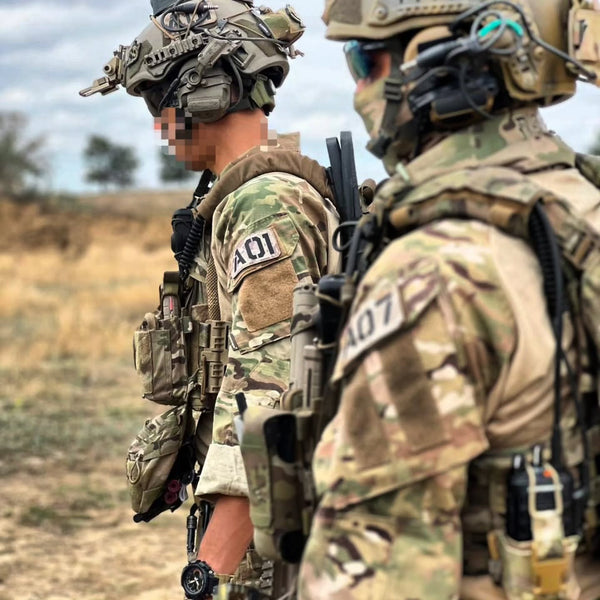
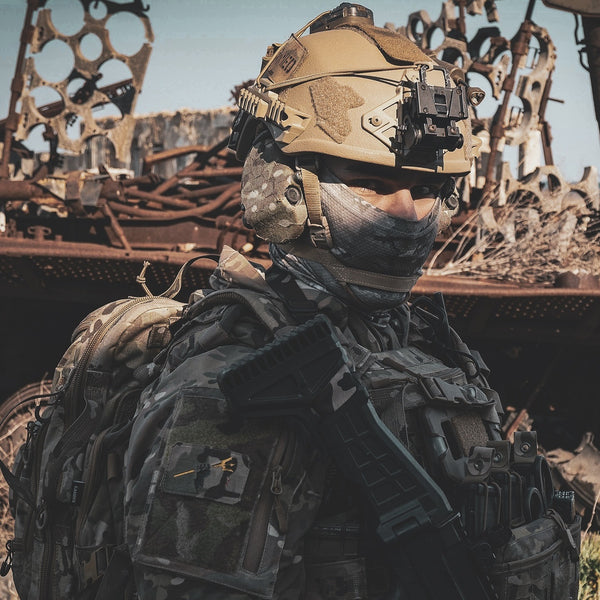
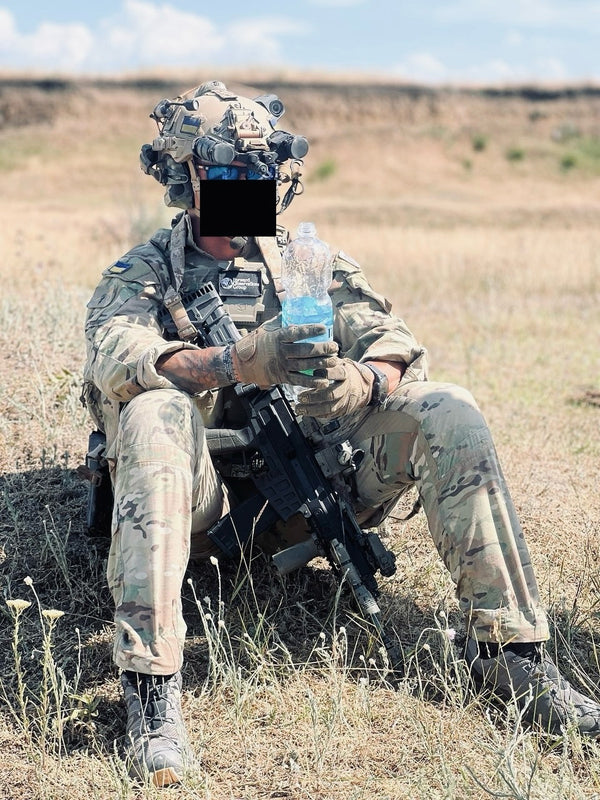
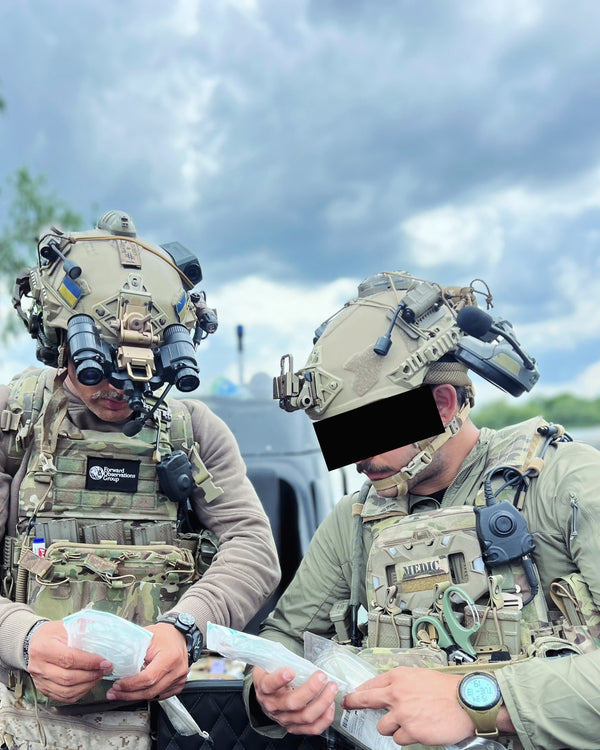
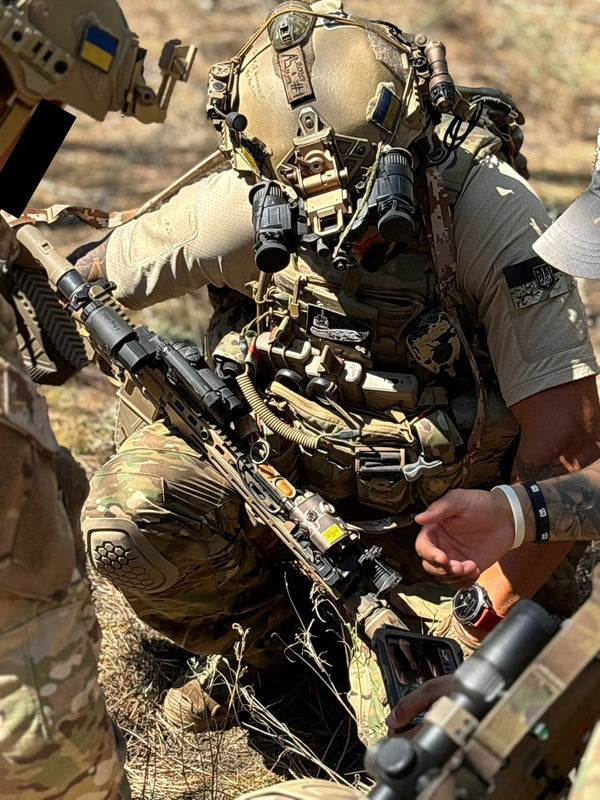
Un casque balistique est un système de protection de la tête conçu pour réduire le risque de blessure causée par des menaces balistiques (balles, fragments) et des traumatismes contondants rencontrés dans des environnements tactiques, de maintien de l’ordre ou de combat. Les casques modernes combinent une coque haute pour la compatibilité des accessoires, des rembourrages et des systèmes de suspension/rétention pour le confort, ainsi que des matériaux certifiés selon des normes telles que NIJ pour documenter les performances balistiques et contre les fragments.
Comment les casques balistiques sont-ils classés ?
Les classifications des casques font généralement référence à des normes qui définissent les performances balistiques testées. Pour les casques, vous verrez fréquemment :
- NIJ Niveau III-A : Conçu pour arrêter la plupart des menaces courantes d’armes de poing (jusqu’à la classe .44 Magnum) et offrir une protection robuste contre les fragments. De nombreux inserts et coques de casques tactiques sont testés à ce niveau.
- Certifié fusil (NIJ Niveau III / IV ou solutions spéciales céramique/acier) : Conçus pour arrêter les balles de fusil comme le 7,62 mm FMJ (Niveau III) ou les balles perforantes (Niveau IV). Les casques souples en kevlar standard ne sont pas certifiés fusil.
- Performance contre les fragments & V50 : Indique la résistance du casque aux fragments à grande vitesse ; V50 est la vitesse à laquelle il y a 50 % de probabilité de pénétration pour un fragment spécifié.
Les résultats de test importants à surveiller incluent la déformation arrière (à quel point le casque se déforme vers l’intérieur à l’impact), les valeurs V50 pour les fragments, et la norme NIJ utilisée pour la certification.
Un casque NIJ Niveau III-A est-il certifié pour les fusils ?
Non. La protection NIJ Niveau III-A est excellente contre les menaces d’armes de poing et les fragments, mais elle n’est pas certifiée pour les fusils. Si vous avez besoin d’une protection contre les balles de fusil, recherchez des casques ou plaques spécifiquement testés et certifiés pour arrêter les menaces de fusil (NIJ Niveau III/IV ou équivalent). De nombreux utilisateurs équilibrent poids et mobilité et choisissent le III-A pour un usage tactique général, tandis que les systèmes spécialisés certifiés fusil sont généralement plus lourds et utilisent des plaques dures ou des inserts composites/céramiques avancés.
Que dois-je prendre en compte lors de la recherche d’un casque balistique pas cher ?
Si le budget est une préoccupation principale, concentrez-vous sur ces éléments essentiels pour ne pas compromettre la sécurité ou l’ajustement :
- Achetez des casques avec une certification vérifiable (rapports de test NIJ ou équivalent). Évitez les produits non certifiés ou décrits de manière vague.
- Vérifiez les performances balistiques et contre les fragments indiquées (par exemple, NIJ III-A, valeurs V50, résultats BFD) plutôt que de vous fier uniquement aux affirmations marketing.
- Évaluez la qualité de fabrication : système de maintien/sangles, confort des coussinets, matériaux des composants (inox, revêtus) et compatibilité des accessoires.
- Cherchez un équilibre entre poids et protection—les casques ultralégers peuvent être coûteux, tandis que les options très lourdes réduisent mobilité et endurance.
- Considérez la garantie, la politique de retour et la réputation du vendeur—le support après-vente est important avec l'équipement de protection.
Quels accessoires de casque balistique devrais-je considérer ?
Les accessoires améliorent non seulement les capacités mais aussi le confort et l'intégration avec l'équipement de mission. Les accessoires courants et utiles incluent :
- Protection auditive active / casques tactiques : Amplifient les sons ambiants, suppriment les bruits nuisibles, offrent une intégration comms (prises PTT) et proposent souvent des indices de réduction de bruit (NRR). Recherchez microphones pivotants, longue autonomie et connecteurs norme MIL si vous avez besoin de compatibilité radio.
- Systèmes de rails & supports : Les rails latéraux et points de fixation permettent de monter casques audio, lampes, caméras et visières. De bons rails doivent être robustes, compatibles avec les accessoires courants et ne pas compromettre la coque du casque.
- Lampes de casque : Lampes multi-modes (blanc/IR/rouge), avec longue autonomie et résistance à l'eau, aident à l'identification, la signalisation et les tâches en faible luminosité. Recherchez les indices IPX et la commodité des batteries (CR123 ou options rechargeables).
- Adaptateurs de rails et cardans : Offrent un placement ajustable et un meilleur équilibre pour les casques attachés, améliorant le confort et l'étanchéité autour de l'oreille.
- Housses et panneaux MOLLE : Les housses protectrices (Cordura, 500D) avec MOLLE/Velcro permettent de fixer patchs, contrepoids ou batteries et protègent la finition du casque tout en réduisant les risques d'accrochage.
- Coussins de confort et améliorations de maintien : Les coussinets antimicrobiens et évacuant l'humidité ainsi que les systèmes de maintien adaptatifs améliorent l'ajustement lors de longues sessions et en environnements chauds.
Exemple de liste de contrôle des accessoires
- Casque tactique actif avec prise MIL
- Rails latéraux + adaptateurs pour casque audio
- Lampe montée sur casque (blanche/IR/rouge)
- Housse tactique avec Velcro/MOLLE
- Ensemble de coussinets de confort et jugulaire de maintien
Qu'est-ce qu'une housse de casque HHV (ou housse de casque similaire) ?
Les requêtes « HHV helmet cover » font généralement référence à des housses de casque offrant des panneaux haute visibilité ou des housses protectrices de type Cordura adaptées à la forme du casque. Les housses peuvent :
- Protéger la coque des abrasions et de la saleté.
- Fournir une plateforme pour les patchs, identifiants et panneaux infrarouges.
- Incluez des poches pour contrepoids ou batteries et des découpes pour les dispositifs montés sur le casque afin que la housse puisse être retirée sans perturber les fixations.
Recherchez un matériau durable (par exemple Cordura 500D), des méthodes de fixation sécurisées (Velcro, cordons croisés) et des agencements réfléchis pour les accessoires et la gestion du poids.
Comment choisir le bon kit de casque pour les missions et le confort
Choisissez en fonction d'une combinaison de protection, d'intégration et d'ergonomie :
- Protection : Adaptez l'environnement de menace à la classification NIJ du casque.
- Intégration : Assurez-vous que les rails, la compatibilité casque et les designs de housse répondent à vos besoins en équipement.
- Ajustement et confort : Testez les systèmes de maintien, les matériaux des coussinets et le poids total. Un maintien ajustable et des coussinets antimicrobiens prolongent le confort lors du port.
- Extras : Prenez en compte les accessoires inclus tels que des casques certifiés, des lampes fiables et des housses bien conçues qui rendent le kit utilisable immédiatement.
Présentation recommandée du kit complet de casque
Si vous souhaitez un kit prêt à l'emploi, testé, qui équilibre la protection balistique NIJ III-A avec des accessoires tactiques pratiques — incluant une coque haute compatible avec des casques actifs, des rails, des adaptateurs de rails, une lampe de casque et une housse en Cordura — considérez cette option :
.
FAQ rapides
Un casque balistique peut-il arrêter les éclats ?
Oui — les casques classés NIJ III-A et ceux avec une bonne performance V50 contre les fragments sont spécialement conçus pour protéger contre les éclats et les menaces de fragmentation.
Combien de temps durent les coussinets de casque et les équipements électroniques ?
La durée de vie des coussinets dépend de l'utilisation et de l'entretien — remplacez-les lorsque le confort compressif diminue ou que l'hygiène est compromise. Les équipements électroniques (casques audio, lampes) dépendent de l'entretien des batteries et de l'exposition ; choisissez des options résistantes à l'eau (par exemple IPX/Niveau) et conformes aux normes MIL pour la durabilité.
Dois-je choisir des rails ou des montures traditionnelles ?
Les rails offrent une flexibilité pour les accessoires modernes comme les casques audio, les lampes et les caméras. Les montures traditionnelles (coiffes NVG) restent essentielles si une intégration de vision nocturne est requise. De nombreux casques modernes combinent les deux.
Conseils finaux
- Vérifiez toujours la certification et les données de test avant l'achat.
- Essayez les casques avec les accessoires prévus pour confirmer l'ajustement et l'équilibre.
- Considérez le poids total du système et l'équilibre ergonomique — des accessoires bien équilibrés réduisent la tension au cou lors d'un port prolongé.