
Comment choisir un casque tactique : un guide pratique
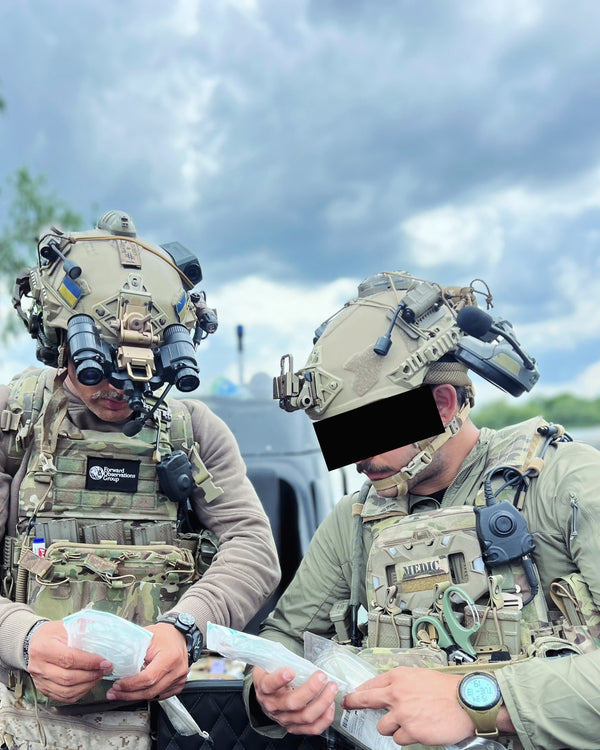
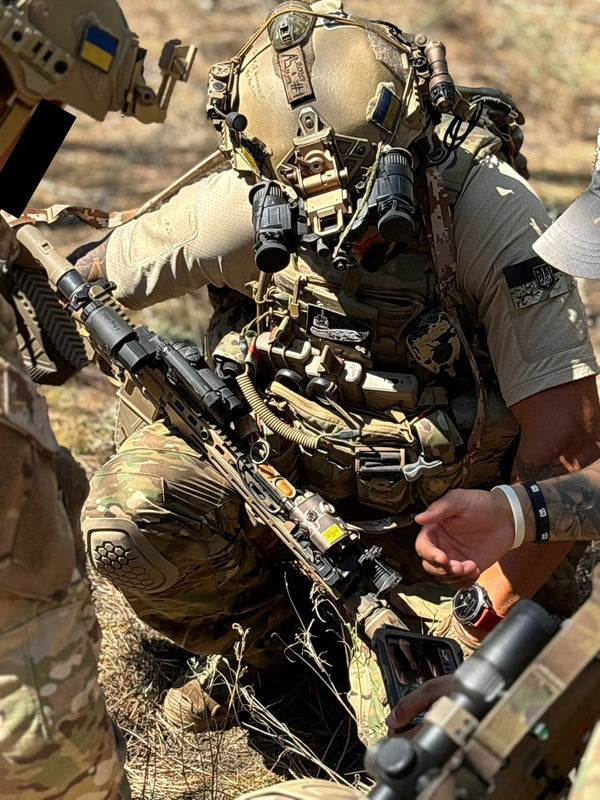
Les casques tactiques sont un équipement essentiel pour les militaires, les forces de l'ordre et les joueurs d'airsoft sérieux qui veulent protection, communications claires et conscience situationnelle. Ce guide répond aux questions courantes sur les casques tactiques, compare les modèles et familles populaires, et vous aide à choisir ce qu'il faut acheter pour un usage critique en mission.
Qu'est-ce qu'un casque tactique et pourquoi est-ce important
Un casque tactique combine protection auditive, écoute ambiante à niveau dépendant et interface de communication. Les avantages principaux sont :
- Protection auditive contre les bruits impulsionnels (coups de feu, explosions).
- Microphones à niveau dépendant qui vous permettent d'entendre les coéquipiers et les sons ambiants sans retirer le casque.
- Intégration avec les radios et les systèmes push-to-talk (PTT) via des connecteurs aux normes militaires.
Peut-on utiliser un casque tactique pour l'airsoft ?
Réponse courte : Oui — mais considérez le poids, le confort et le coût. Les casques tactiques conçus pour les opérations réelles offrent une protection supérieure et des fonctionnalités de communication qui bénéficient aux escarmouches airsoft, surtout lors d'événements milsim. Points clés à considérer :
- Si vous ne jouez qu'à l'airsoft occasionnellement, un casque de jeu léger peut suffire.
- Pour les scénarios milsim et d'entraînement, un vrai casque tactique offre des communications réalistes, une durabilité et une excellente audition ambiante.
- Vérifiez la compatibilité avec le casque et la façon dont le casque se fixe lorsqu'il est porté avec des lunettes et une protection de tête.
Comment un casque tactique se compare-t-il aux modèles grand public comme le Bose T5 ?
Les casques grand public (par exemple, les modèles Bose) sont réglés pour la fidélité audio et la réduction passive du bruit ou la suppression active du bruit (ANC). Les casques tactiques sont réglés pour la protection et la conscience situationnelle. Différences à noter :
- Protection auditive : Les casques tactiques sont conçus pour atténuer les bruits impulsionnels nocifs et répondre à des normes de protection plus élevées.
- Conscience situationnelle : Les casques militaires utilisent des micros à niveau dépendant pour reproduire naturellement les sons ambiants ; l'ANC bloque généralement les sons ambiants.
- Connectivité : Les unités tactiques utilisent des connecteurs standardisés (NATO 7 broches, TA-5, ou prises à clé propriétaires) pour les radios et PTT ; les casques grand public utilisent Bluetooth ou des prises 3,5 mm.
- Robustesse : Les casques tactiques sont conçus pour résister à l'humidité, à la poussière, aux chocs et à une utilisation prolongée sous les casques.
Comment les casques tactiques se connectent-ils aux radios de communication tactiques ?
Connecter un casque tactique à une radio implique d'associer le connecteur du casque et le câblage de la radio/PTT. Étapes et conseils typiques :
- Identifiez le connecteur du casque — de nombreux casques militaires utilisent une prise 7 broches standard OTAN ou d'autres connecteurs multi-broches robustes.
- Confirmez la compatibilité radio — vérifiez si votre radio nécessite un câble adaptateur ou un brochage spécifique.
- Utilisez des adaptateurs ou câbles autorisés — les câbles tiers peuvent fonctionner mais doivent correspondre aux brochages pour les lignes micro, haut-parleur et PTT.
- Testez les canaux PTT et réception avant les opérations pour éviter les pannes de communication en mission.
Qu'est-ce que les casques Liberator et le Safariland Liberator V ?
"Liberator" est une famille/marque de casques utilisée par certaines agences. Le Safariland Liberator V est un casque ou produit de communication spécifique proposé aux forces de l'ordre et clients de sécurité — généralement axé sur des communications discrètes, à profil bas et la compatibilité avec les systèmes tactiques PTT. En comparaison avec les casques tactiques de taille normale :
- Les unités de type Liberator privilégient souvent un profil bas et la dissimulation pour les opérations en civil.
- Les casques tactiques de taille normale privilégient la protection auditive, la conscience situationnelle et la compatibilité avec les casques pour les environnements à haute menace.
Choisir entre un casque tactique complet et une configuration de type Liberator
Adaptez le casque à votre mission :
- Opérations à haute menace, dynamiques (CQB, tirs réels, opérations en véhicule) : choisissez un casque homologué combat avec une protection auditive éprouvée.
- Opérations en civil, surveillance ou discrètes : envisagez des communications de type Liberator pour la dissimulation et le confort.
- Entraînement et airsoft : un équilibre entre confort, durabilité et coût est généralement suffisant.
Entretien, batteries et durabilité environnementale
La préparation opérationnelle dépend d'un entretien simple :
- Gardez les batteries fraîches et emportez des rechanges (de nombreux casques tactiques utilisent des piles AAA courantes).
- Remplacez les coussinets d'oreille et la mousse lorsqu'ils s'usent ; les coussinets en gel éliminent les points de pression pour les longues missions.
- Nettoyez les microphones et les connecteurs après des opérations humides ou boueuses — les microphones avec indice IP résistent à l'infiltration, mais les connecteurs nécessitent souvent un entretien.
Liste de contrôle rapide pour l'achat
- Avez-vous besoin d'une protection contre le bruit impulsionnel et de micros à niveau dépendant ?
- Avec quelles radios et PTT le casque doit-il s’interfacer ?
- Compatibilité casque et exigences de profil bas ?
- Indice de protection environnementale (eau/poussière) et durabilité éprouvée sur le terrain ?
- Confort pour un port de plusieurs heures — arceau, coussinets d’oreille et répartition du poids.
Option recommandée
Pour les opérateurs qui ont besoin d’une protection auditive de qualité militaire, d’une conscience situationnelle dépendante du niveau et d’une connectivité conforme aux normes OTAN dans des environnements difficiles, considérez
comme une solution éprouvée sur le terrain qui équilibre protection, compatibilité des communications et confort du casque.
Questions fréquemment posées (basées sur les recherches courantes)
Un casque tactique est-il adapté à l’airsoft ?
Oui — surtout pour le milsim. Attendez-vous à une meilleure réalisme des communications, durabilité et gestion des sons ambiants que les casques grand public, mais à un coût et un poids plus élevés.
En quoi un casque tactique diffère-t-il du Bose T5 ?
Les casques tactiques se concentrent sur la protection et les communications de mission ; le Bose T5 privilégie la fidélité audio et le confort passif/ANC pour les médias. Ils répondent à des priorités différentes.
Ai-je besoin d’un câble spécial pour connecter à ma radio ?
Souvent oui. Assurez-vous que le connecteur du casque et le brochage de la radio correspondent ; utilisez les câbles recommandés par le fabricant ou des adaptateurs tiers vérifiés.
Qu’est-ce que le Safariland Liberator V ?
C’est un produit de communication discret de la famille Liberator optimisé pour les forces de l’ordre et l’usage discret ; il diffère des casques de combat pleine taille qui privilégient la protection auditive et l’intégration au casque.
Choisir le bon casque revient à associer le niveau de protection, la compatibilité des communications et le confort opérationnel. Utilisez la liste de contrôle ci-dessus et testez votre configuration choisie avec vos radios, casques et PTT avant de partir sur le terrain.