
Aperçu rapide : qu'est-ce qu'un casque balistique ?
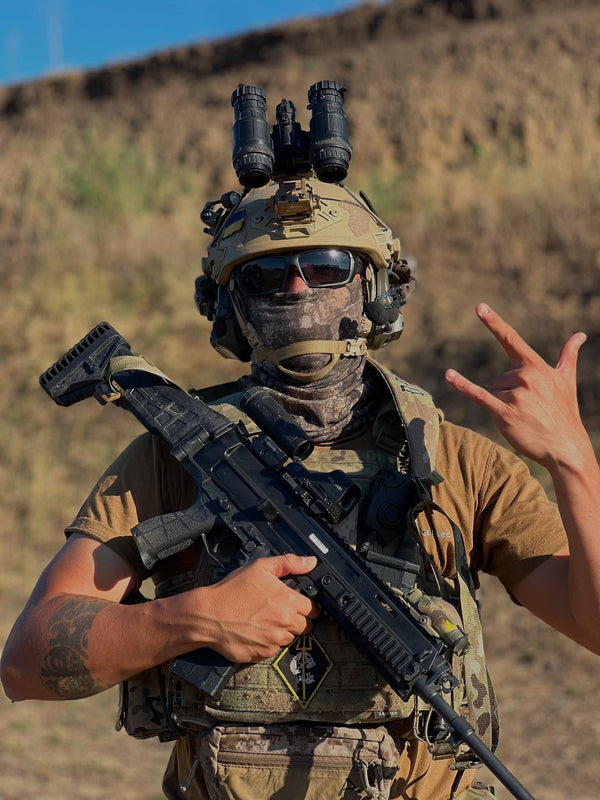
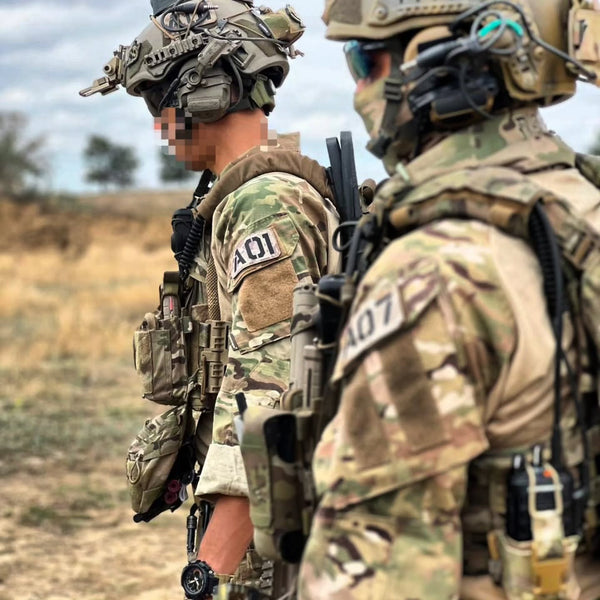
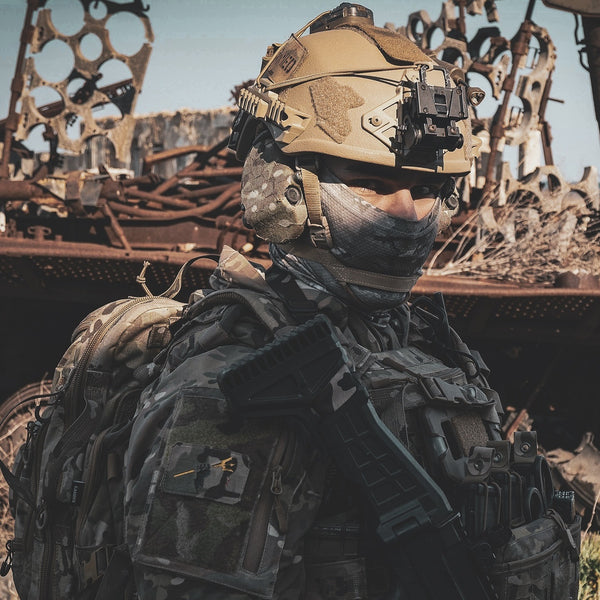
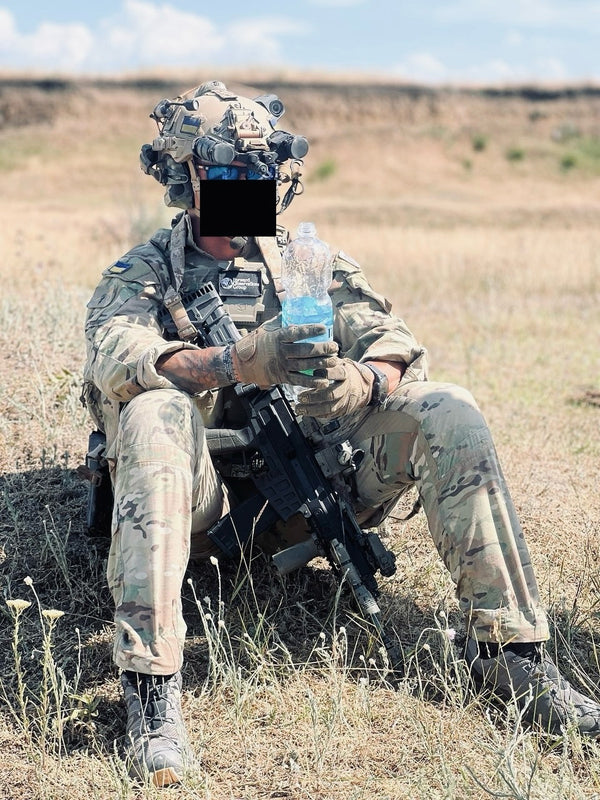
Un casque balistique est une protection pour la tête conçue pour arrêter ou réduire les effets des projectiles et des éclats. Les casques tactiques modernes combinent des matériaux composites légers, des systèmes de maintien, un rembourrage et des options de montage (coques NVG, rails) pour permettre aux soldats, aux forces de l'ordre et aux utilisateurs professionnels d'opérer avec protection et équipement de mission attaché.
Un "casque balistique certifié fusil" existe-t-il ?
Réponse courte : la plupart des casques balistiques ne sont PAS certifiés pour fusil. Les niveaux de protection standard pour casques balistiques souples sont mesurés contre les menaces d'armes de poing (NIJ Niveau IIIA), qui arrêtent de nombreuses balles d'arme de poing et certains fragments mais pas les balles de fusil à grande vitesse. Arrêter véritablement les balles de fusil nécessite des plaques d'armure rigides ou des solutions spécialisées généralement plus épaisses, plus lourdes et testées contre les menaces de fusil.
Points à vérifier lors de l'évaluation des revendications :
- Vérifiez la certification : un casque certifié NIJ Niveau IIIA est testé contre les menaces d'armes de poing — ce n'est pas la même chose que la protection contre les fusils.
- La protection contre les fusils nécessite généralement des inserts durcis ou des systèmes composites/métalliques à couverture complète qui indiquent explicitement les tests et normes contre les menaces de fusil.
- Confirmez toujours les rapports de test et la documentation d'un organisme de test reconnu ; les fabricants qui fournissent des documents de test augmentent la transparence et la confiance.
Ce que cela signifie pour les acheteurs
Si vous avez besoin de protection contre les balles de fusil, prévoyez des solutions en couches (casque + plaques résistantes aux fusils ou casques durs spécialement conçus) et confirmez la compatibilité avec vos besoins de mission. Pour la plupart des forces spéciales, forces de l'ordre et utilisateurs professionnels nécessitant une protection de la tête plus le montage d'accessoires, les casques souples NIJ IIIA restent le choix courant car ils équilibrent poids et performance balistique.
Les casques balistiques bon marché sont-ils sûrs à acheter ?
"Pas cher" peut être tentant, mais avec l'équipement balistique, vous devez privilégier la performance vérifiée plutôt que le prix bas. Voici ce qu'il faut vérifier avant d'acheter :
- Certification et rapports de test : une documentation légitime NIJ ou équivalente est essentielle.
- Matériaux : les casques modernes haute performance utilisent du polyéthylène de masse moléculaire ultra-élevée (UHMWPE) ou des fibres avancées ; les casques bon marché peuvent utiliser des matériaux inférieurs avec une longévité et des performances réduites.
- Ajustement et maintien : un mauvais ajustement réduit la protection. Recherchez des systèmes de maintien réglables et des coussinets confortables.
- Garantie et provenance : les fabricants réputés offrent support et documentation ; évitez les vendeurs non vérifiés.
Acheter le casque le moins cher signifie souvent sacrifier les certifications, le contrôle qualité et la durabilité. Pour un usage professionnel ou critique, investissez dans des systèmes certifiés et éprouvés sur le terrain.
Quels accessoires balistiques pour casque sont couramment utilisés ?
Les accessoires transforment un casque en plateforme de mission. Les catégories courantes d'accessoires incluent :
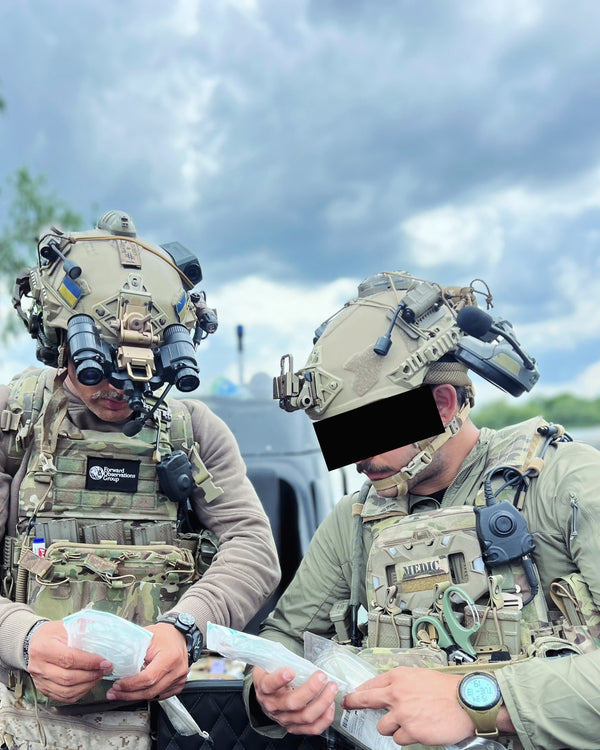
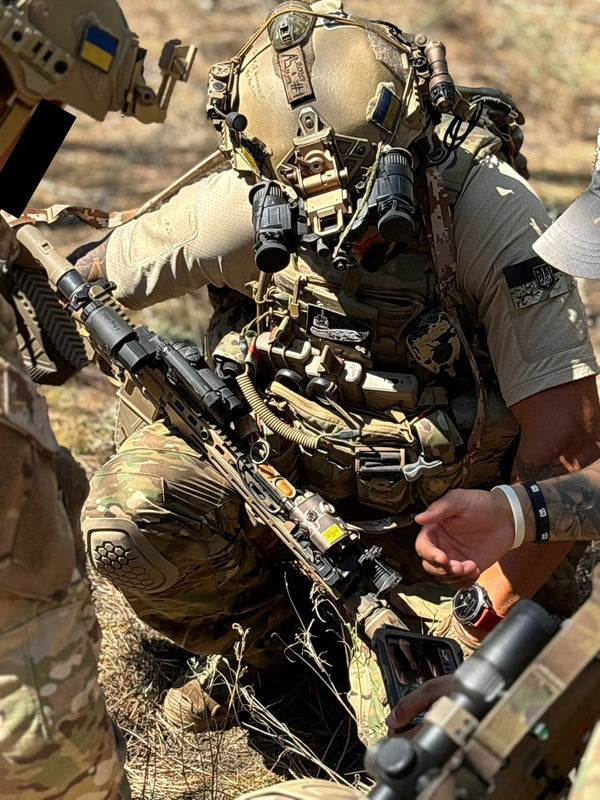
- Capuchons et supports NVG — pour dispositifs de vision nocturne et optiques thermiques.
- Rails latéraux et interfaces Picatinny — pour lampes, caméras, adaptateurs de communication et supports de montage.
- Découpes audio et compatibilité avec casque intégré — pour systèmes intra-auriculaires/casques tout en préservant la protection balistique.
- Améliorations de la rétention et du confort — systèmes de maintien améliorés, coussinets confortables et housses antimicrobiennes.
- Housses de protection et enveloppes camo — pour réduire les reflets, ajouter du camouflage ou une protection contre l'abrasion.
Lors de l'ajout d'accessoires, assurez-vous que les rails et le support du casque sont certifiés et compatibles avec vos dispositifs choisis afin de ne pas compromettre la protection ou l'équilibre.
Qu'est-ce qu'une "hhv helmet cover" et en avez-vous besoin ?
Le terme de recherche "hhv helmet cover" désigne souvent des housses de casque et des housses spécialisées haute visibilité ou de marque. Les housses de casque remplissent plusieurs fonctions :
- Changement de camouflage et de motif — moyen rapide de s'adapter à l'environnement sans repeindre la coque.
- Protection contre l'abrasion et les intempéries — préserve la finition de la coque et peut réduire les reflets.
- Boucles de montage et panneaux d'identification — permettent la fixation de patchs, onglets IR ou accessoires montés sur Velcro.
Les housses haute visibilité (parfois abrégées HHV pour haute visibilité) sont utilisées pour l'identification dans les contextes de secours, médical ou sécurité. Choisissez une housse qui correspond à la géométrie de votre coque et qui n'interfère pas avec les rails, supports ou montures NVG.
FAQ courante : ajustement, poids et à quoi s'attendre
- Comment un casque doit-il s'ajuster ? Il doit être ajusté sans provoquer de points de pression. Les systèmes de maintien et les coussinets réglables vous permettent d'ajuster l'ajustement pour la stabilité avec les optiques et les mouvements de tête.
- Combien pèse un casque FAST de qualité ? Les casques modernes de style FAST utilisant l'UHMWPE pèsent généralement entre ~1,3 et 1,6 kg, selon la taille et les supports d'accessoires.
- Combien de temps ces casques durent-ils ? Les casques composites en PE résistent mieux à l'humidité et aux UV que les coques classiques en aramide (Kevlar). La durée de vie dépend de l'exposition et de l'entretien, mais de nombreux casques UHMWPE conservent leurs performances pendant plusieurs années lorsqu'ils sont stockés et entretenus correctement.
Recommandation
Si vous souhaitez un casque FAST moderne, prêt pour la mission, qui équilibre la protection NIJ IIIA, des matériaux éprouvés (UHMWPE), un support intégré et des rails, des coussinets confortables, et la compatibilité avec des casques professionnels, considérez une option certifiée incluant la documentation de test et le support du fabricant — par exemple,
.
Conseils finaux lors de vos achats
- Exigez des certificats de test valides et une déclaration claire du niveau balistique (par exemple, NIJ IIIA).
- Vérifiez la compatibilité avec les NVG, rails et casques de communication que vous possédez déjà.
- Pensez à la durabilité à long terme : matériaux, revêtements, et si le fabricant soutient le produit avec documentation et support.