
Choisir le bon casque balistique : évaluations, accessoires et housses
Lors du choix d'une protection pour la tête en travail tactique, forces de l'ordre ou sécurité, il est utile de comprendre les classifications, les matériaux et la compatibilité des accessoires. Voici des réponses concises aux questions courantes sur les casques balistiques pour vous aider à faire un choix éclairé.
Les casques balistiques bon marché sont-ils sûrs ?
Les casques balistiques « bon marché » peuvent être tentants, mais la sécurité dépend d'une construction et d'une certification vérifiées, pas seulement du prix. Points importants :
- Vérifiez la certification NIJ ou équivalente — cela confirme la performance balistique (par exemple, NIJ Niveau IIIA pour les menaces d'armes de poing).
- Le matériau compte : l'aramide véritable (Kevlar) ou le UHMWPE de haute qualité offrent une protection éprouvée ; les composites non vérifiés ou les fibres inconnues peuvent ne pas l'assurer.
- L'ajustement et la rétention sont essentiels : un casque mal ajusté annule la capacité de protection même si la coque est certifiée.
- Méfiez-vous du marketing trompeur ; demandez la documentation des tests et une garantie d'un vendeur de confiance.
Si le budget est une contrainte, priorisez le niveau de protection certifié, un détaillant de confiance et un ajustement approprié plutôt que les caractéristiques cosmétiques.
Quels accessoires de casque balistique devrais-je considérer ?
Les accessoires étendent les capacités et le confort. Options courantes et critiques pour la mission incluent :
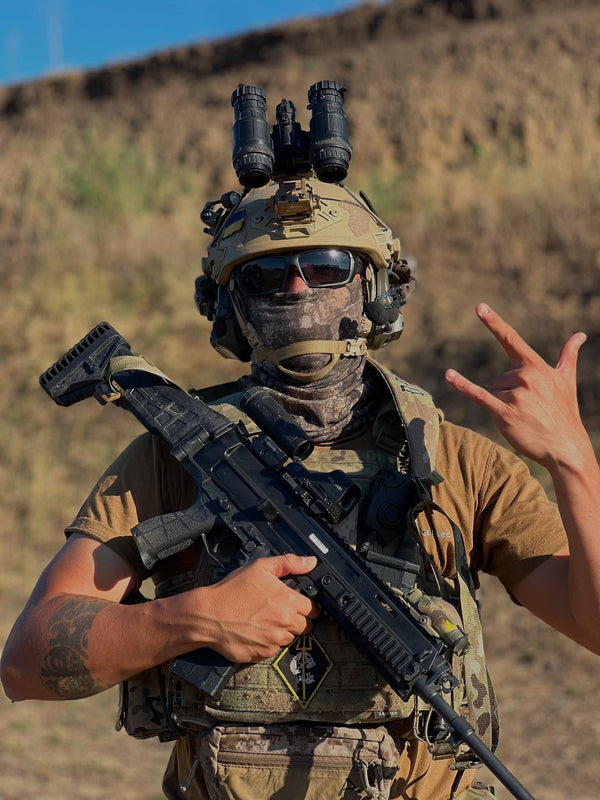
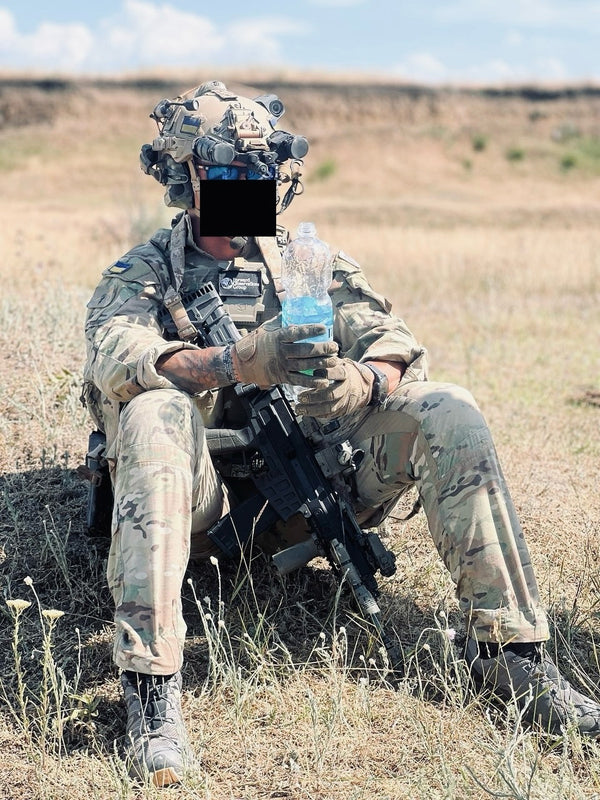
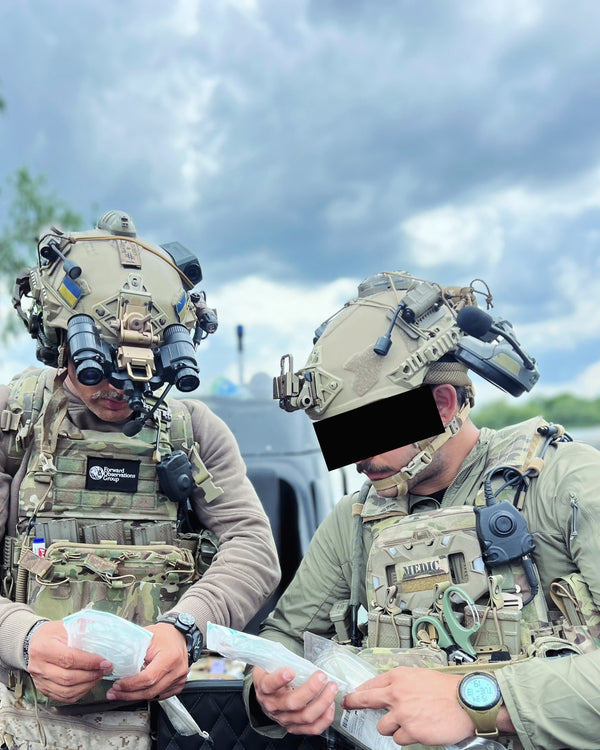
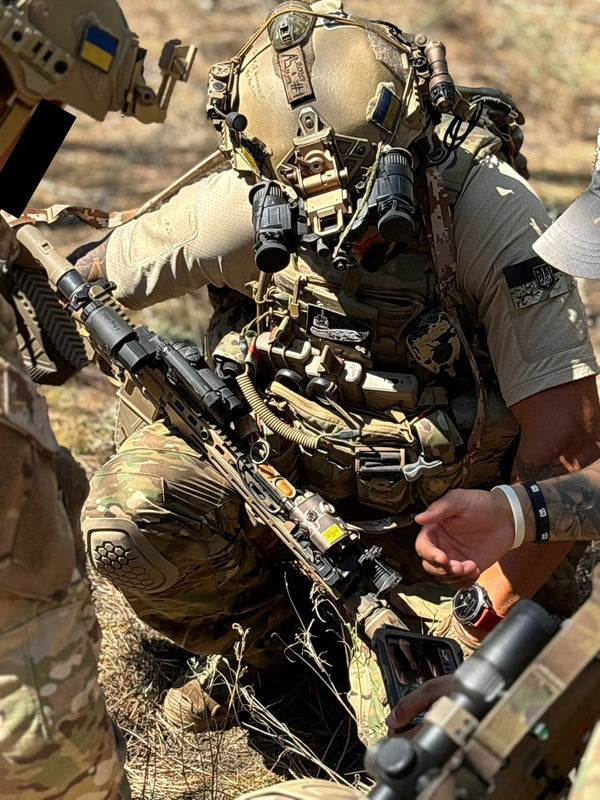
- Supports et capots NVG (vision nocturne) pour opérations en faible luminosité.
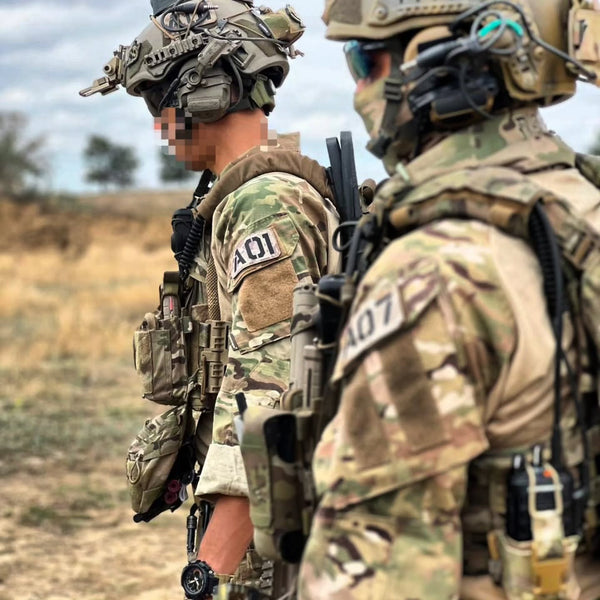
- Supports pour protection auditive active/casque de communication pour conscience situationnelle et communications claires.
- Systèmes de retenue et kits de rembourrage ajustables pour améliorer l’ajustement et réduire la fatigue.
- Visières et écrans faciaux balistiques lorsque la fragmentation ou les débris sont une préoccupation.
- Supports de casque pour caméras, lampes de poche ou marqueurs IR pour documentation et navigation.
- Couvre-casques pour camouflage, protection contre les intempéries ou identification (motifs camouflage, haute visibilité, etc.).
Lors du choix des accessoires, assurez-vous que votre casque dispose de points de fixation dédiés et que le poids ajouté ne compromettra pas le confort ou la sécurité du cou lors d’un port prolongé.
Qu’est-ce qu’un casque balistique classé fusil ?
Le terme « classé fusil » fait généralement référence à une protection capable d’arrêter les balles de fusil (qui sont beaucoup plus énergétiques que les balles de pistolet). Quelques précisions :
- La plupart des casques tactiques légers (NIJ Niveau IIIA) sont évalués uniquement pour les menaces de pistolets et la fragmentation—pas pour les balles de fusil.
- Pour arrêter les balles de fusil, les casques doivent utiliser des matériaux beaucoup plus lourds ou des plaques dures intégrées avec des niveaux de protection plus élevés (par exemple, IV) qui augmentent significativement le poids et le volume.
- Il n’existe pas de solution universelle à casque unique combinant mobilité légère et protection réaliste contre les fusils—les plateformes conçues pour les menaces de fusil sont plus lourdes et généralement spécifiques à un rôle.
Si une protection contre les menaces de fusil est requise, discutez du profil de mission et des compromis acceptables avec les fournisseurs ; pour de nombreux rôles, les casques en aramide NIJ IIIA offrent le meilleur équilibre entre mobilité et protection contre les pistolets/éclats.
Qu'est-ce qu'un aperçu "ballistic helmet wiki" ? (Histoire rapide et types)
Résumé rapide utile pour les débutants :
- Origines : Les casques balistiques ont évolué des casques en acier vers des matériaux composites (aramide, UHMWPE) pour réduire le poids tout en conservant la protection.
- Conceptions courantes : FAST—coupe haute pour l'accès aux communications ; MICH—casque de combat moderne avec une meilleure couverture ; coupe moyenne—équilibre entre mobilité et protection.
- Matériaux : L'aramide (Kevlar) et l'UHMWPE sont les plus courants pour une protection balistique légère ; les constructions en couches ou tissées absorbent et dissipent l'énergie des projectiles.
- Normes : Les niveaux NIJ définissent la protection contre des projectiles spécifiques (IIIA couramment utilisé pour les menaces d'armes de poing). Vérifiez toujours les tests et la certification.
Qu'est-ce qu'un couvre-casque HHV ?
« Housse de casque HHV » peut désigner soit un nom de marque/modèle, soit une housse de casque haute visibilité (Hi‑Viz). En général, les housses de casque ont plusieurs fonctions :
- Camouflage : MultiCam ou autres motifs réduisent la signature sur le terrain.
- Protection : Les housses protègent la finition du casque contre l'usure et les dommages environnementaux.
- Identification : Les housses haute visibilité (jaune/orange) ou marquées identifient les rôles en milieu civil/urgence.
Choisissez une housse qui s'adapte au profil du casque et ne gêne pas les accessoires montés ou les supports NVG.
Pourquoi envisager un casque aramide middle-cut, NIJ IIIA ?
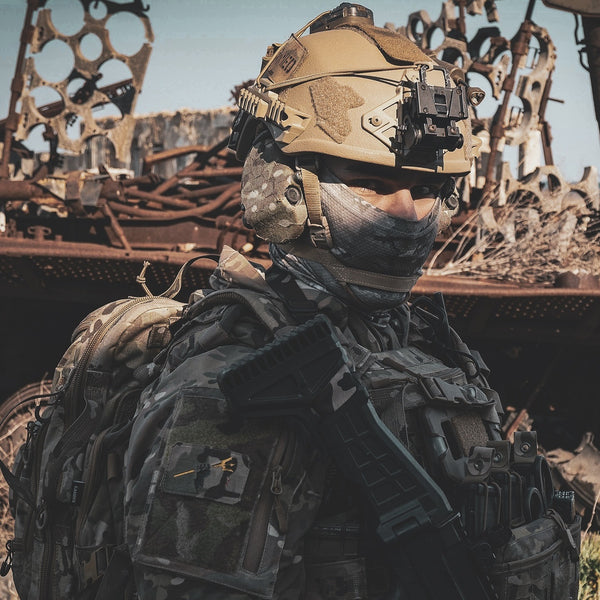
Pour les opérateurs qui ont besoin d'un équilibre entre protection, gain de poids et compatibilité des accessoires, un casque aramide middle-cut avec certification NIJ IIIA est un choix solide. Il offre généralement :
- Confort léger pour un port prolongé (réduit la fatigue).
- Protection fiable contre les menaces d'armes de poing, les éclats et les impacts contondants.
- Compatibilité avec NVG, protection auditive, visières et autres équipements de mission.
Pour un exemple qui réunit ces caractéristiques — résistance du matériau, protection NIJ IIIA, mobilité middle-cut et large compatibilité d'accessoires — considérez cette option :

Liste de contrôle rapide pour l'achat
- Vérifiez la certification NIJ ou équivalente et demandez la documentation.
- Confirmez les matériaux (aramide/Kevlar ou UHMWPE) et la construction de la coque.
- Essayez-le pour vérifier l'ajustement — contrôlez la rétention, le rembourrage et la stabilité pendant le mouvement.
- Confirmez les fixations d'accessoires (support NVG, rails latéraux, compatibilité comms).
- Prenez en compte les limites de poids pour la durée de la mission ; plus lourd n'est pas toujours mieux.
Choisir le bon casque est un équilibre entre la protection contre les menaces, la mobilité et l'interopérabilité avec les systèmes sur lesquels vous comptez. Utilisez la liste de contrôle ci-dessus lors de l'évaluation des options et achetez toujours auprès de fournisseurs réputés pouvant fournir des dossiers de test et de certification.