
Aperçu rapide : Qu’est-ce qu’un casque balistique ?
Un casque balistique est un équipement de protection de la tête conçu pour réduire les traumatismes contondants et arrêter ou atténuer les menaces balistiques telles que les éclats et les balles de pistolet. Les casques modernes combinent des matériaux composites avancés, des systèmes de maintien, des rembourrages et des supports d'accessoires pour équilibrer protection, confort et flexibilité de mission.
Questions courantes des utilisateurs répondues
Existe-t-il un casque balistique bon marché ?
Réponse courte : oui, il existe des casques à moindre coût sur le marché, mais « bon marché » peut signifier des compromis en termes de protection testée, contrôle qualité, certification et durabilité.
Considérations lors de la recherche d'une option à moindre coût :
- Certification NIJ : Confirmez que le casque répond à une norme indépendante (par ex., NIJ IIIA). Les casques certifiés offrent une base connue pour la performance balistique.
- Matériaux et construction : Les casques moins chers peuvent utiliser des composites de qualité inférieure ou des techniques de stratification inconsistantes qui affectent la fiabilité à long terme.
- Ajustement et confort : Les casques bon marché négligent souvent les systèmes de maintien et le rembourrage, ce qui entraîne un mauvais ajustement et une fatigue accrue du porteur.
- Support après-vente : La garantie, les pièces de rechange et les mises à jour disponibles peuvent être limitées sur les produits à bas coût.
Conseil pratique : Si le budget est serré, privilégiez la protection certifiée et un système de maintien fiable plutôt que les caractéristiques esthétiques. Acheter auprès de vendeurs connus et vérifier la documentation réduit les risques.
Quels accessoires de casque balistique devrais-je considérer ?
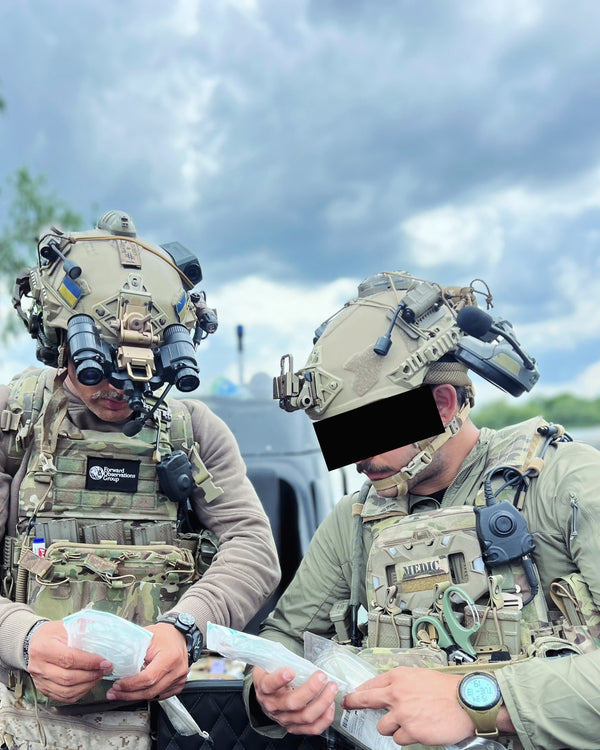
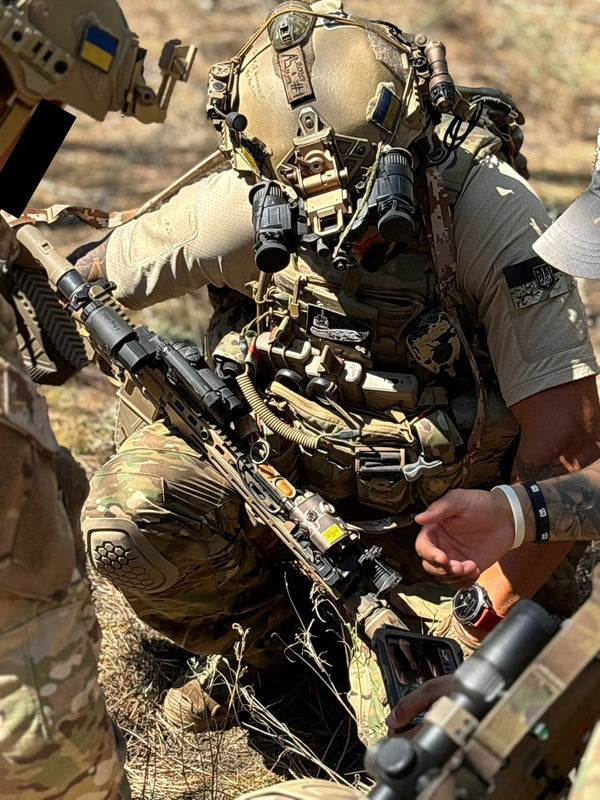
Les accessoires vous permettent d’adapter le casque à votre mission. Les catégories d’accessoires typiques incluent :
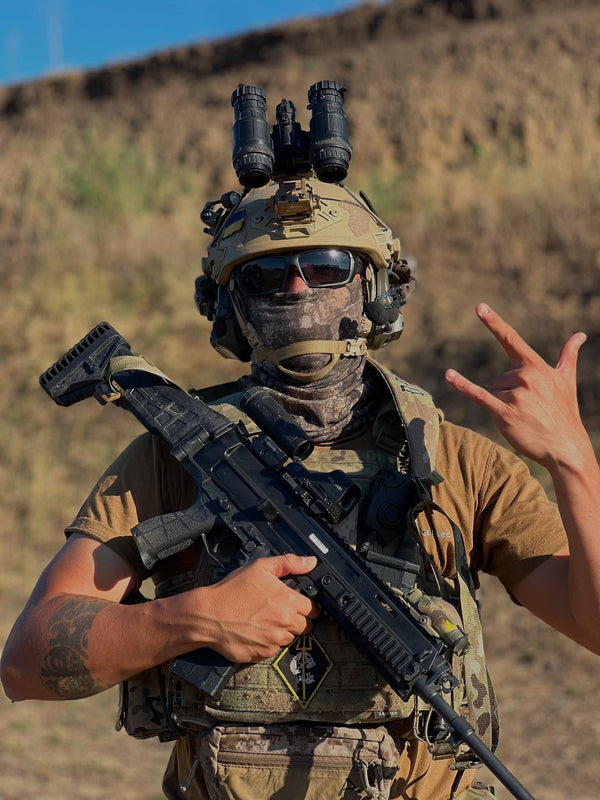
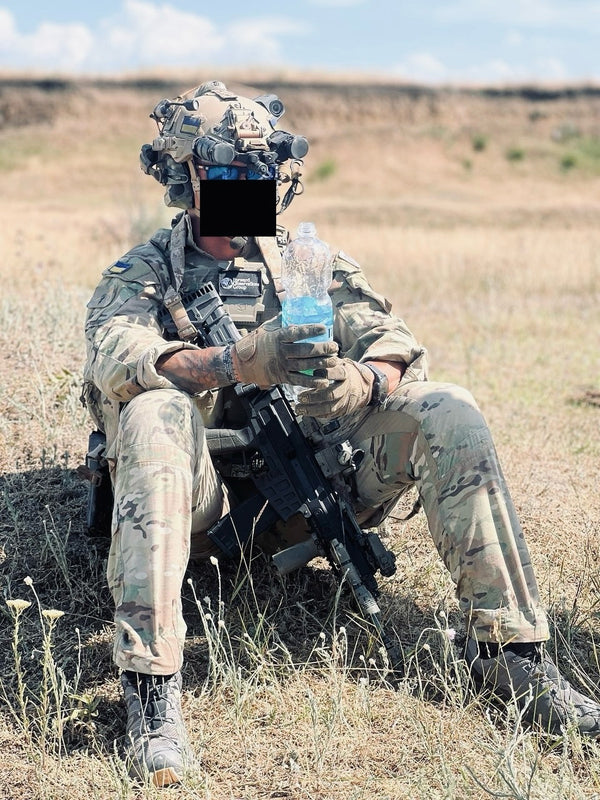
- Supports et rails : Rails accessoires latéraux et capots NVG pour lampes, caméras, casques de communication et systèmes de vision nocturne.
- Rembourrage et maintien : Coussins de confort améliorables, doublures anti-transpiration, et systèmes de maintien modulaires pour un ajustement sécurisé.
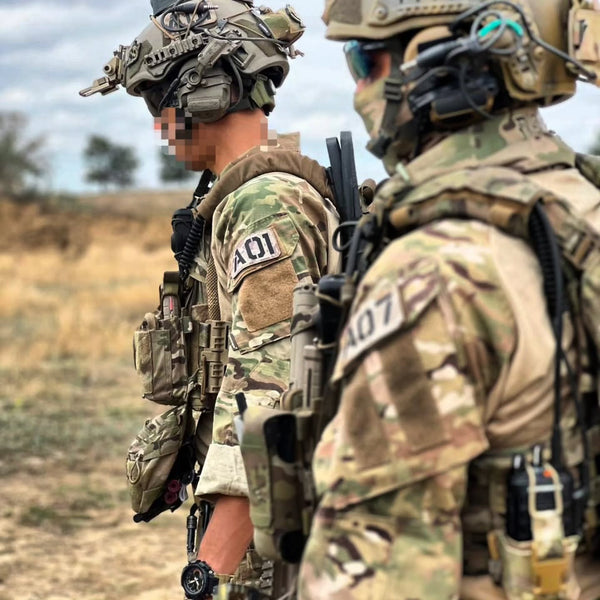
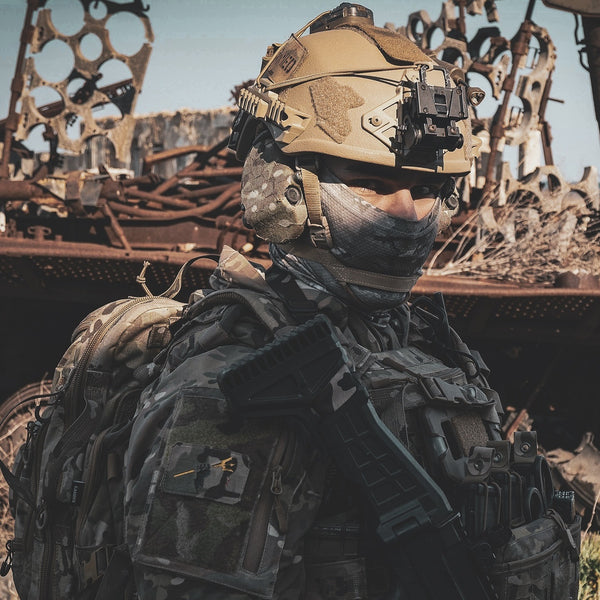
- Housses et camouflage : Housses protectrices (Cordura ou autres tissus) ajoutent une protection à la coque et offrent des points d'attache pour patchs ou pochettes.
- Contrepoids et poches pour batteries : Pour équilibrer les équipements montés à l'avant comme la vision nocturne.
- Communications et protection auditive : Casques ou micros à perche intégrés aux rails ou systèmes de maintien.
Pour un kit prêt à l'emploi incluant plusieurs de ces caractéristiques — compatibilité découpe NVG, rails latéraux, housse tactique avec MOLLE, et poches pour contrepoids — considérez un système de casque complet comme
.
Existe-t-il des casques balistiques certifiés fusil ?
Point clé : La plupart des casques balistiques certifiés NIJ IIIA sont évalués contre les menaces de pistolet et les fragments. « Classé fusil » implique une protection contre les balles de fusil à haute vélocité (par ex., 5.56, 7.62), qui ne sont généralement pas arrêtées par des casques souples composites seuls.
À savoir :
- NIJ IIIA : Typiquement conçu pour arrêter la plupart des balles de pistolet et les fragments — un excellent niveau pour de nombreuses applications tactiques et policières.
- Menaces de fusil : Pour arrêter les balles de fusil, il faut généralement une armure dure (céramique, acier ou composites avancés) configurée sous forme de plaques ou de systèmes à coque dure intégrée plutôt que des casques souples/composites standards.
- Approches hybrides : Certains utilisateurs combinent un casque certifié avec une visière balistique ou des modules durs amovibles, mais ces systèmes ajoutent du poids et doivent être testés comme une solution complète.
Si une protection contre les fusils est requise pour votre rôle, consultez des spécialistes en armure et demandez les données de test pour la configuration spécifique plutôt que de supposer qu'un casque classé IIIA arrêtera les balles de fusil.
Où puis-je trouver des informations fiables de fond (comme un wiki sur les casques balistiques) ?
Sources fiables pour l'historique des casques, les normes et les informations techniques incluent :
- Organismes de normalisation : la documentation NIJ et les normes techniques expliquent les méthodes de test et les niveaux de menace.
- Fiches techniques des fabricants : elles fournissent le poids, le BFD (déformation arrière), les valeurs V50 de fragmentation et les détails de construction.
- Publications académiques et de défense : articles sur les matériaux de casque (UHMWPE, aramides, céramiques) et la biomécanique des impacts.
- Sites réputés d'avis sur l'équipement tactique et forums communautaires : utiles pour des retours d'expérience réels, mais recoupez les affirmations avec les données de test.
Lors de vos recherches, privilégiez les chiffres de test principaux (par exemple, notation NIJ, vitesse de fragmentation V50, mesures BFD) plutôt que les termes marketing.
Qu'est-ce qu'une housse de casque HHV et en ai-je besoin ?
« Housse de casque HHV » peut désigner des housses haute visibilité ou des modèles/marques spécifiques. En général, une housse de casque est une surcouche en tissu qui protège la coque, ajoute du camouflage et offre des points d'attache pour patchs ou petits accessoires.
Avantages d'une housse bien conçue :
- Protection : protège la coque balistique et sa finition contre l'abrasion et l'exposition aux UV.
- Fonctionnalité : panneaux MOLLE intégrés, zones Velcro pour patchs d'identification et poches pour contrepoids ou batteries.
- Entretien : il est plus facile et moins coûteux de remplacer une housse usée que la coque du casque.
Recherchez des housses fabriquées à partir de tissus durables (par exemple, Cordura 500D) avec des points d'attache renforcés. Si votre casque possède une découpe pour monter des dispositifs, confirmez que la housse s'adapte à cette découpe pour éviter de devoir retirer la housse pour utiliser des NVG ou autre équipement.
Conseils finaux pour l'achat et l'utilisation d'un casque balistique
- Vérifiez toujours la performance testée du casque (niveau NIJ, valeurs V50 de fragmentation, BFD) avant l'achat.
- Essayez d'obtenir un ajustement correct : la configuration de la rétention et des coussins compte autant que la capacité balistique pour une efficacité en conditions réelles.
- Considérez le système complet : les rails, les protections, les housses et les contrepoids influencent la répartition du poids et le confort.
- Vérifiez le support du fabricant : les pièces de rechange, les options de mise à niveau et la garantie prolongeront la durée de vie utile.
Si vous avez besoin d'un casque moderne, prêt pour la mission, avec une performance NIJ IIIA, des rails d'accessoires et une housse tactique conçue pour la modularité, recherchez des systèmes qui publient des évaluations mesurées de BFD et de fragmentation et incluent un système de rétention et de coussin bien conçu.