
Guide du casque balistique : ce qu'il faut savoir avant d'acheter
Si vous recherchez un équipement de protection de la tête, le terme « casque balistique » revient souvent. Ce guide répond aux questions courantes que les utilisateurs posent — des options économiques et accessoires aux classifications comme NIJ III-A et ce que signifie vraiment « classé fusil ». Utilisez ces réponses pour choisir le système de casque adapté à vos besoins.
Qu’est-ce qu’un casque balistique ?
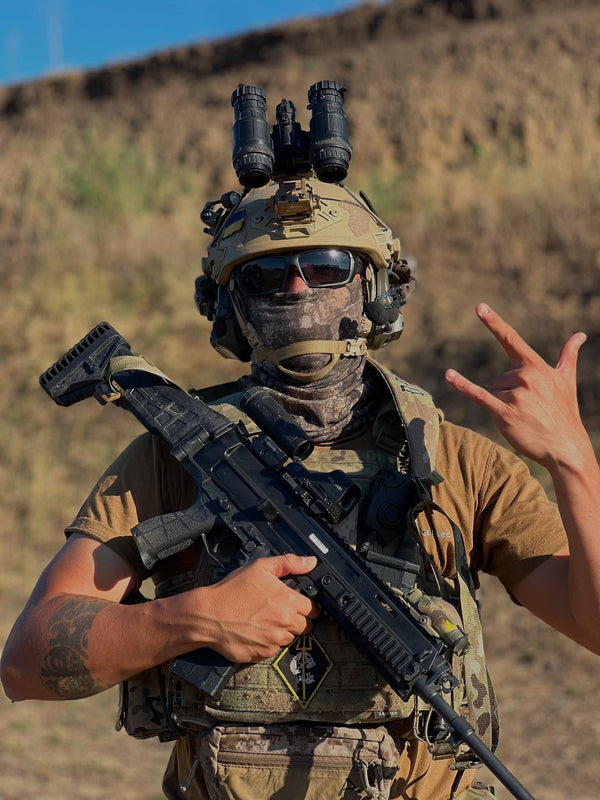
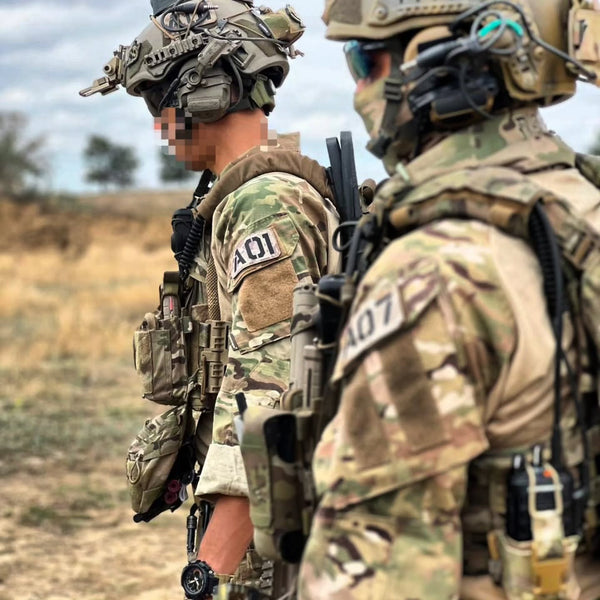
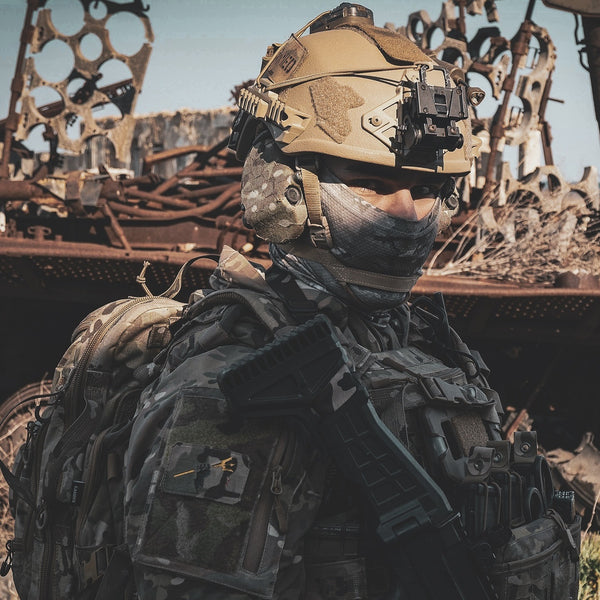
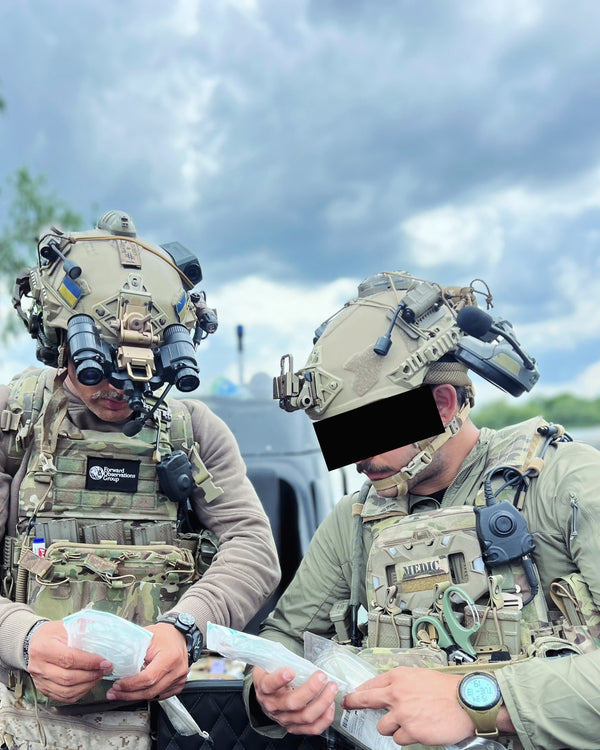
Un casque balistique est un équipement de protection de la tête conçu pour arrêter ou réduire les blessures causées par des projectiles, des éclats et des chocs. Les casques modernes sont fabriqués à partir de matériaux avancés (fibres d'aramide, UHMWPE, composites) et sont testés selon des normes telles que NIJ (National Institute of Justice) pour certifier leur performance face à des menaces spécifiques. Les coupes de casque varient — coupe basse, coupe moyenne et coupe haute (style FAST) — chacune optimisée pour différents équipements de mission et compatibilité avec les communications et les lunettes.
Casque balistique bon marché — valent-ils le coup ?
Les casques balistiques « bon marché » peuvent être tentants, mais il y a des considérations clés avant d'acheter :
- La certification est importante : Recherchez la documentation des tests NIJ ou les rapports de test du fabricant. Un casque non certifié peut ne pas protéger comme annoncé.
- Matériaux et construction : Les casques à bas prix utilisent souvent des composites inférieurs ou des stratifications de mauvaise qualité, augmentant le risque de pénétration ou de déformation excessive à l'arrière.
- Ajustement et maintien : Un casque qui ne s'adapte pas ou dont le système de maintien est faible ne vous protégera pas efficacement même si la coque est certifiée.
- Accessoires et intégration : Les coques bon marché peuvent ne pas accepter les rails communs, les supports NVG ou les adaptateurs de casque, limitant ainsi l'utilisabilité.
Si le budget est un souci, privilégiez le matériel d'occasion certifié provenant de sources réputées ou des casques neufs de milieu de gamme avec des données de test claires et des avis d'utilisateurs. Évitez les offres à bas prix sans certification ni politique de retour.
Accessoires pour casque balistique — de quoi avez-vous besoin ?
Les accessoires transforment une coque protectrice en un système prêt pour la mission. Les accessoires courants incluent :
- Adaptateurs de rails et montures latérales — pour lampes, caméras et communications.
- Casques tactiques actifs — protection auditive plus amplification des sons ambiants pour la conscience situationnelle.
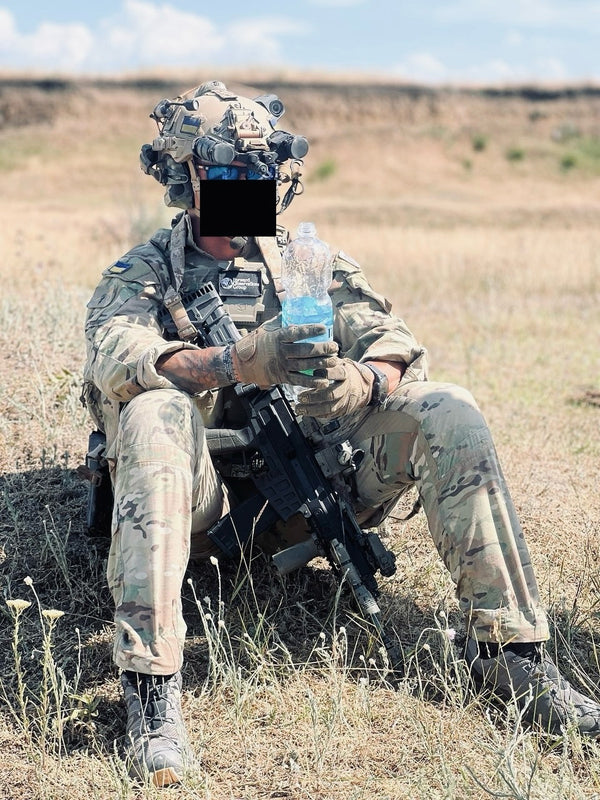
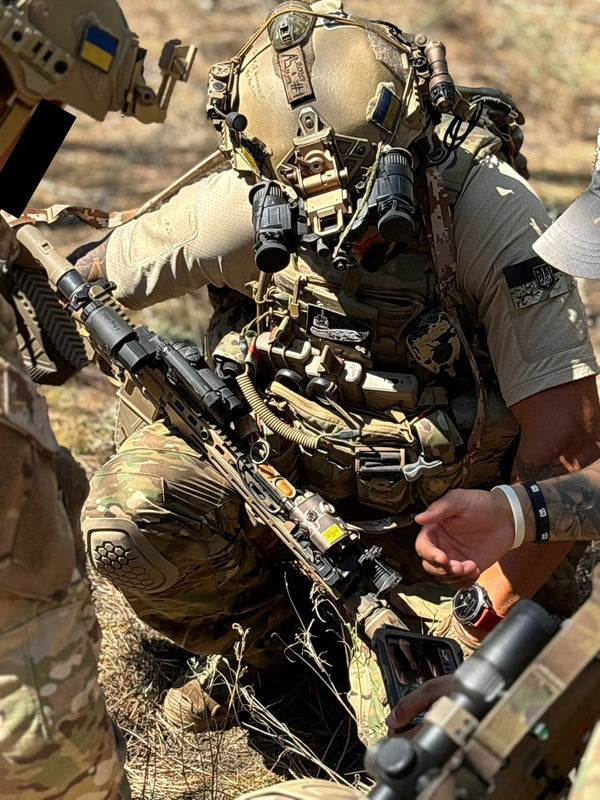
- Supports et capuchons NVG — pour dispositifs de vision nocturne et optiques décalées.
- Housses de casque — protection de la coque, points d'attache MOLLE et panneaux pour patchs.
- Lampes de poche et lumières de signalisation IR/visible — pour la navigation et l'identification.
- Coussins de confort et systèmes de maintien améliorés — améliorent l'ajustement et réduisent le transfert de force d'impact (BFD).
- Poches contrepoids/piles — pour équilibrer les dispositifs montés à l'avant comme les NVG.
Si vous souhaitez un kit prêt à l'emploi combinant une coque balistique haute coupe, des rails intégrés, des casques actifs, des adaptateurs de rails, une lampe de casque et une housse tactique durable — considérez un ensemble complet de casque tactique conçu pour la compatibilité et l'utilisation sur le terrain tel que
.
Un casque balistique classé pour fusil est-il identique au NIJ III-A ?
Réponse courte : Non. Le niveau NIJ III-A (souvent écrit IIIA) est une classification courante pour les casques contre les armes de poing et de nombreuses menaces de fragmentation, mais il n’est pas considéré comme « classé pour fusil » contre les balles intermédiaires ou de fusil typiques (comme le 5.56×45mm ou le 7.62×51mm).
- NIJ III-A : Certifié pour arrêter la plupart des menaces d'armes de poing et de nombreux fragments. C’est une classification standard pour les casques tactiques de haute qualité utilisés par la police et l'armée pour une protection balistique souple.
- Classé pour fusil : Pour arrêter les balles de fusil, l'armure doit être beaucoup plus lourde et se présente généralement sous forme de plaques (Niveau III, Niveau IV) plutôt que d'une coque de casque légère. Un vrai casque classé pour fusil est rare car les matériaux et l'épaisseur nécessaires le rendent peu pratique pour un port sur la tête.
- Implication dans le monde réel : Si vous avez besoin de protection contre les balles de fusil, vous devriez prévoir des systèmes combinés (véhicules blindés, plaques, tactiques) plutôt que d'espérer qu'un casque balistique standard arrête les projectiles de fusil.
Exemples de métriques de performance à surveiller incluent le V50 pour fragments, la déformation arrière (BFD) et la norme NIJ citée. Par exemple, les casques III-A de haute qualité peuvent indiquer des valeurs V50 pour fragments, la performance FMJ et les valeurs BFD pour vous aider à comparer les niveaux de protection réels.
Bases du casque balistique (aperçu style wiki)
Évolution du casque : de l'acier (guerres mondiales) aux casques composites fabriqués en aramide (Kevlar), UHMWPE et laminés hybrides. Les casques modernes se concentrent sur la réduction du poids, une meilleure dispersion des impacts et l'intégration avec les communications et l'optique. Des normes comme NIJ définissent les protocoles de test et les niveaux de menace pour que les acheteurs puissent comparer les produits objectivement.
Termes clés :
- BFD (Déformation arrière) : profondeur de la déformation après un impact ; plus c'est faible, mieux c'est pour réduire les traumatismes contondants derrière l'armure.
- V50 : Vitesse à laquelle 50 % des projectiles de fragments pénètrent — plus c'est élevé, mieux c'est pour la protection contre la fragmentation.
- Styles de coupe : coque à coupe haute/FAST (améliore l'ajustement du casque audio et des NVG), coupe moyenne et coupe complète (plus de couverture).
Housse de casque HHV — ce qu'il faut rechercher
Les housses de casque protègent la coque et ajoutent de la modularité. Recherchez :
- Tissu durable : Cordura 500D ou similaire pour la résistance à l'abrasion.
- Panneaux MOLLE et Velcro : pour lampes, pochettes ou patchs d'identification.
- Découpes pour supports et dispositifs : pour pouvoir retirer rapidement la housse sans détacher les NVG ou l'équipement de communications.
- Poches pour contrepoids ou batteries afin d'équilibrer les configurations à l'avant lourdes.
Une housse de qualité aide aussi à réduire les reflets et offre des points d'attache pour le camouflage ou les identifiants IR. Lors de l'achat d'une housse, vérifiez qu'elle est dimensionnée pour votre modèle de casque et permet un accès facile aux rails et supports.
Liste de contrôle rapide pour l'achat
- Vérifiez la certification et examinez les données de test (niveau NIJ, V50, BFD).
- Choisissez la bonne coupe (coupe haute pour la compatibilité avec les casques audio ; coupe complète pour une couverture maximale).
- Assurez-vous de la compatibilité des rails et supports avec votre équipement de communications et NVG.
- Inspectez le système de maintien et les coussinets de confort — les coussinets remplaçables et un système de maintien ajustable sont importants.
- Équilibrez poids et protection : prenez en compte la durée de la mission et la gestion de la chaleur.
Dernières réflexions
Les casques balistiques sont des outils spécifiques à la mission : choisissez-en un qui correspond à votre modèle de menace, s'intègre à votre équipement et est soutenu par des données de performance claires. Que vous ayez besoin d'une coque légère à coupe haute pour les communications et les NVG, d'une option robuste classée III-A pour les menaces de fragmentation et d'armes de poing, ou d'un kit complet avec communications et éclairage, faites de l'ajustement, de la certification et de la compatibilité des accessoires vos priorités absolues.