
Un casque balistique bon marché est-il sûr ?
Le prix seul ne détermine pas la sécurité. Les casques balistiques doivent respecter des normes reconnues (par exemple, les niveaux NIJ) et être testés à la fois pour la performance balistique et la fragmentation. Un casque à bas prix peut offrir une certaine protection contre les impacts contondants ou des caractéristiques de confort, mais il pourrait ne pas fournir une protection balistique certifiée contre les menaces d'armes de poing ou les fragments.
Lors de l'évaluation des casques à moindre coût, vérifiez :
- Rapports de tests certifiés (NIJ ou équivalent).
- Niveau balistique indiqué (par exemple, NIJ III-A est courant pour la protection des casques souples).
- Performance documentée en matière de déformation par fragment et par impact arrière.
- Qualité des matériaux et politique de garantie/retour.
Conseil : Si votre usage nécessite une vraie protection balistique (forces de l'ordre, sécurité ou environnements à haut risque), achetez un casque avec certification documentée plutôt que de vous fier au prix. Pour l'entraînement à faible risque ou l'airsoft, une option moins coûteuse peut suffire.
Quels accessoires sont disponibles pour les casques balistiques ?
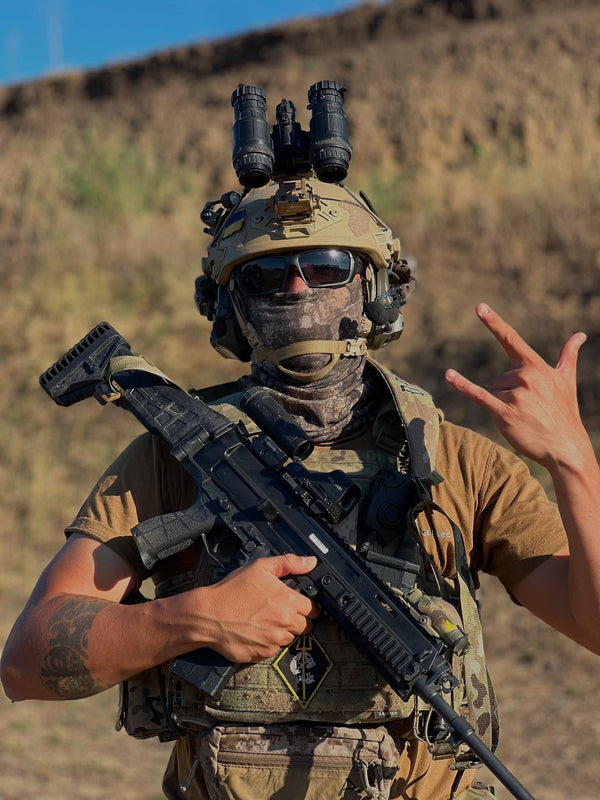
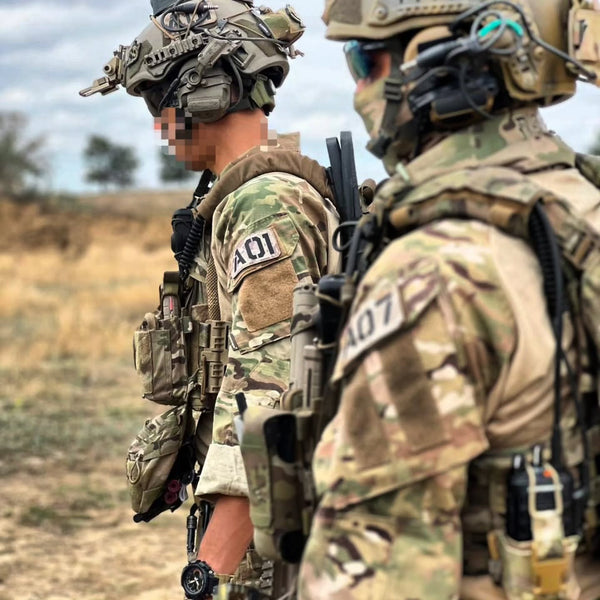
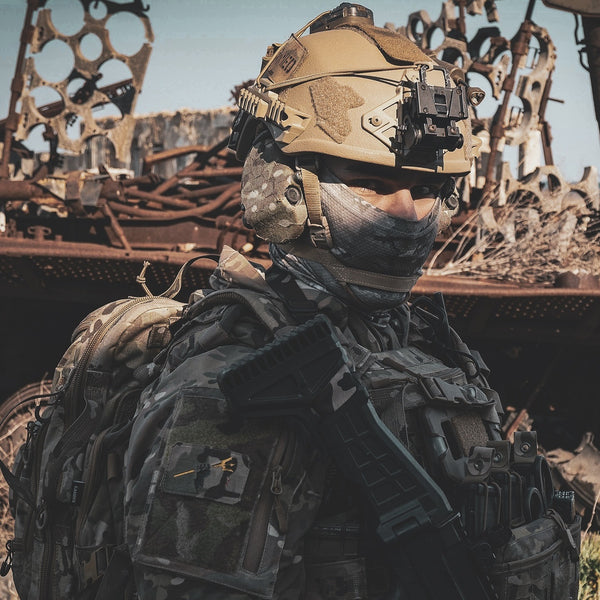
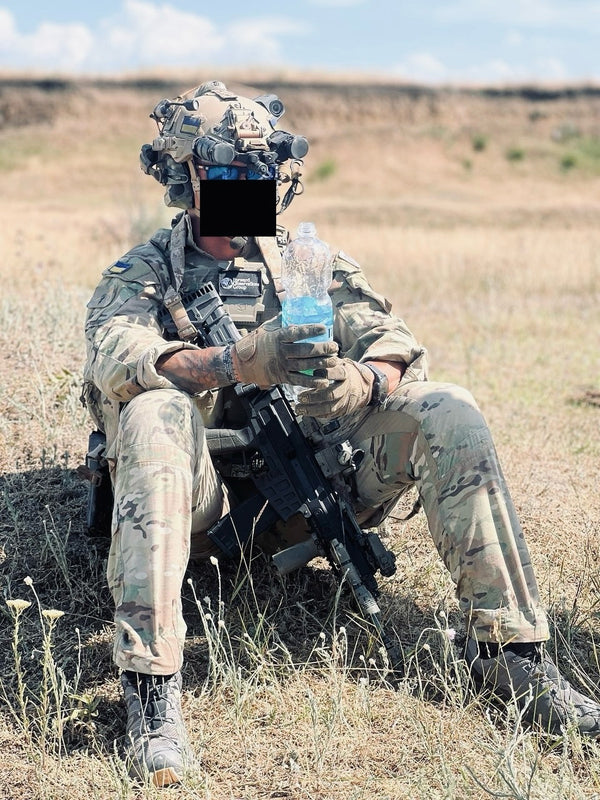
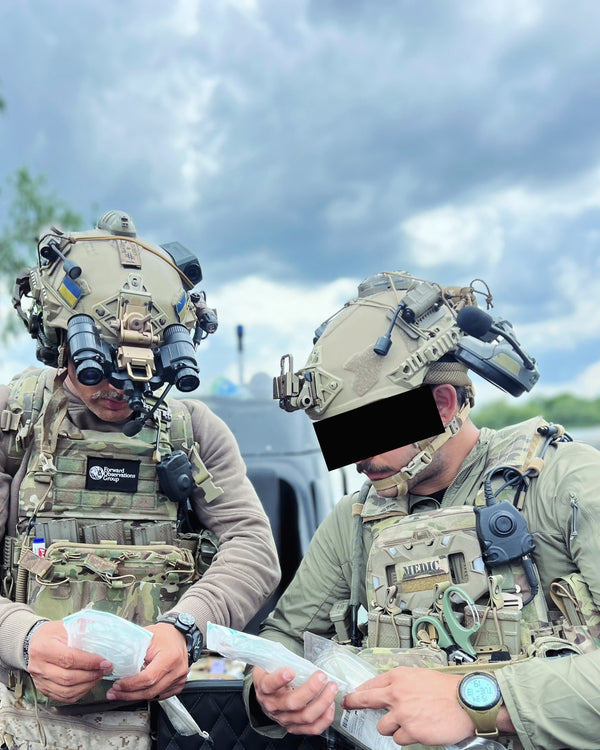
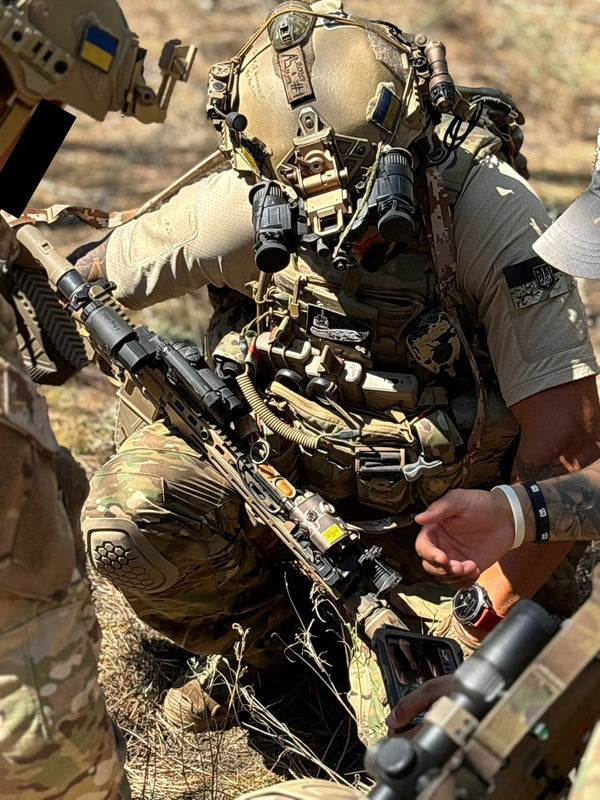
Les casques tactiques modernes sont des plateformes modulaires. Les accessoires courants aident à adapter le casque aux rôles spécifiques de la mission :
- Supports et rails : Pour lumières, caméras et communications (rails de style Picatinny ou rails latéraux propriétaires).
- Supports NVG/frontal : Coques pour lunettes de vision nocturne et supports à dégagement rapide.
- Améliorations de maintien et confort : Coussinets, doublures et systèmes de maintien multipoints pour améliorer l'ajustement et réduire la rotation.
- Couvre-casques et patchs : Couvre-casques camouflage, panneaux MOLLE et patchs ID/IR.
- Lumières intégrées : Petites lampes montées sur casque avec sorties blanche/rouge/IR pour signalisation et illumination.
- Poches de contrepoids et compartiments pour batteries : Pour équilibrer les configurations NVG et loger discrètement les batteries.
Lors du choix des accessoires, assurez-vous de la compatibilité avec les rails et interfaces de votre casque, et confirmez que le poids ajouté reste dans ce que vous pouvez porter confortablement.
Les casques balistiques sont-ils certifiés pour les fusils ?
La plupart des casques balistiques disponibles dans le commerce sont conçus pour arrêter les menaces d'armes de poing et la fragmentation. Le niveau NIJ III-A (souvent indiqué NIJ III-A ou NIJ Level 3A) est une classification courante pour la protection contre la plupart des balles d'armes de poing et de nombreux fragments.
La protection résistante aux fusils (capacité à arrêter des balles de fusil comme le 5.56 ou 7.62) nécessite des matériaux fondamentalement différents et une masse beaucoup plus importante ou des plaques d'armure rigides. Ce niveau de protection est généralement assuré par des plaques de fusil, des systèmes intégralement faciaux ou des casques rigides spécialement conçus utilisant des constructions avancées en céramique et composites, et est rare dans les coques de casques tactiques légers.
Point clé : Si un casque est marqué NIJ III-A, il n'est pas considéré comme résistant aux fusils. Pour les menaces de fusil, vous avez besoin de plaques dédiées ou de systèmes spécialisés conçus et certifiés pour cette menace.
Bases du casque balistique (wiki rapide)
Voici les éléments couramment discutés lors de la recherche de casques :
- Normes & tests : Les normes NIJ spécifient les niveaux de menace et les méthodes de test. Cherchez des rapports de laboratoire ou des certificats.
- Performance balistique et contre-fragmentation : Recherchez les indices de fragmentation V50 et les tests spécifiques de projectiles (par exemple, vitesses 9mm FMJ RN et valeurs de déformation arrière).
- Système de maintien : Les harnais à 3 ou 4 points et les systèmes de réglage rapide aident à sécuriser le casque et peuvent améliorer la performance contre les impacts contondants.
- Poids & équilibre : Les casques plus lourds peuvent offrir une meilleure protection mais augmenter la fatigue ; l'équilibre (contrepoids pour NVG) est important.
- Confort & climat : coussinets confort, housses anti-transpiration et ventilation influencent l'usage prolongé.
Qu'est-ce qu'une housse de casque HHV et pourquoi en utiliser une ?
Le terme « housse de casque » désigne généralement une coque en tissu qui se glisse sur le casque pour fournir camouflage, points de fixation ou rembourrage. Caractéristiques à rechercher :
- Matériau : tissus durables comme le Cordura (ex. 500D) résistent à l'abrasion et aux intempéries.
- Fixation MOLLE et Velcro : permet de monter des pochettes, patchs et cordons croisés pour une fixation sécurisée.
- Poches et découpes : poches dédiées pour contrepoids, batteries ou passage pour montures NVG — certaines housses sont conçues pour être retirées sans détacher l'électronique montée.
- Poids et profil : les housses ajoutent un poids minimal mais peuvent grandement augmenter la fonctionnalité et la dissimulation.
Les housses protègent la finition du casque, offrent des points d'attache locaux et incluent souvent des fonctionnalités pour adapter la mission comme des panneaux pour patchs et des découpes de drainage.
Liste de contrôle d'achat : comment choisir le bon casque
- Confirmez la certification balistique et les rapports de test pour le niveau de menace requis.
- Adaptez la coupe du casque (coupe haute vs coupe moyenne) à la configuration casque/vision nocturne que vous prévoyez d'utiliser.
- Vérifiez la compatibilité des rails/caches avec vos accessoires (lumières, communications, NVG).
- Essayez le casque : le système de maintien, le rembourrage et la répartition du poids doivent être confortables pour un port prolongé.
- Prenez en compte les accessoires inclus (housses, lumières, coussinets) par rapport à un achat séparé.
Recommandation
Si vous avez besoin d'un casque moderne et modulaire qui équilibre la protection balistique NIJ III-A, des rails d'accessoires intégrés, une housse tactique durable et un système de maintien adaptable, considérez
comme une solution unique incluant des coussinets, des lumières, des rails et une housse de style MOLLE pour simplifier l'installation et gagner du temps dans la recherche de pièces compatibles.
Conseils finaux
Vérifiez toujours les certificats et les résultats de tests indépendants avant d'acheter pour un usage protecteur. Obtenez un ajustement approprié et entraînez-vous à monter et utiliser les accessoires afin que le casque réponde à vos besoins opérationnels sans compromettre le confort ou la sécurité.