
Guide rapide : ce que protège un casque balistique et pourquoi c’est important
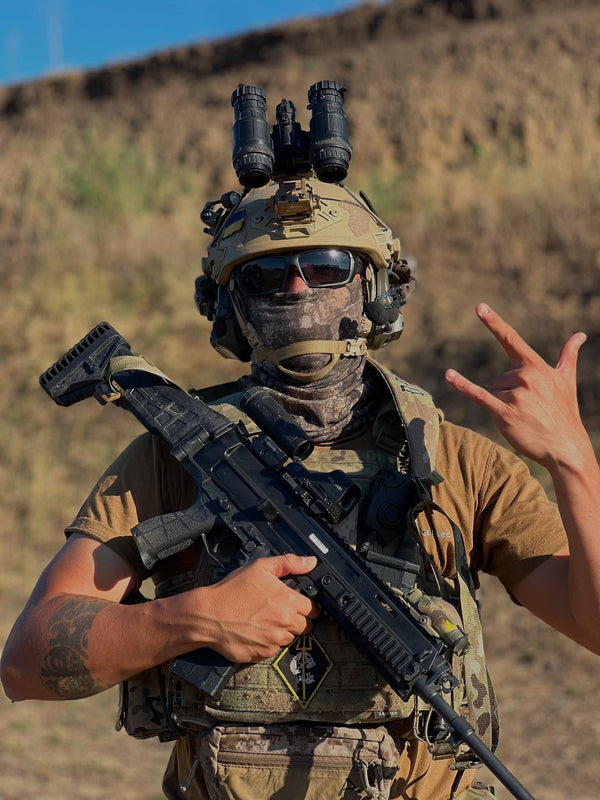
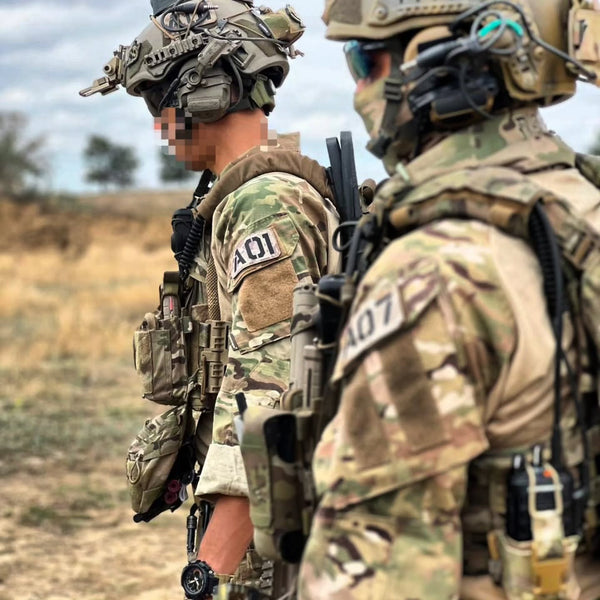
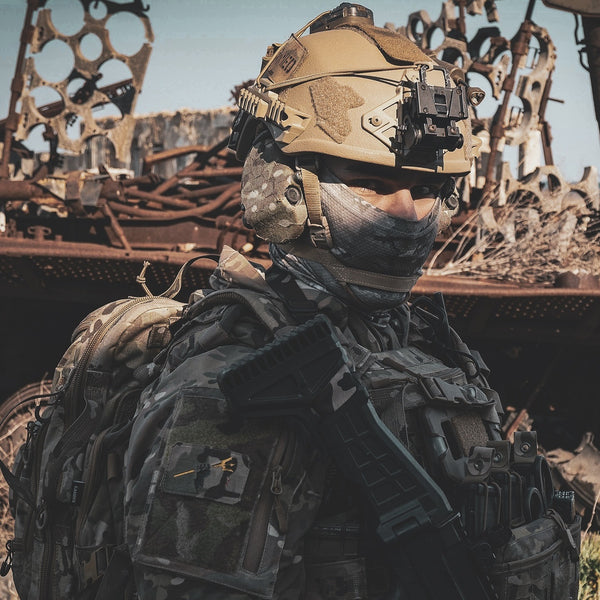
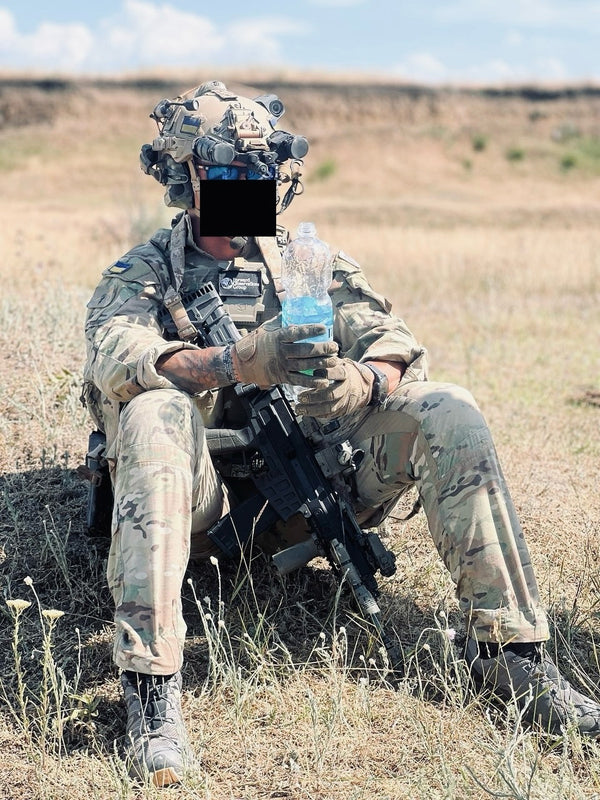
Un casque balistique est conçu pour protéger la tête contre les fragments et les menaces d’armes de poing dans des contextes tactiques, policiers et défensifs. Les casques modernes équilibrent protection balistique, poids, confort et compatibilité avec des accessoires comme les communications, les lampes et les supports NVG.
Questions courantes posées sur les casques balistiques
- Les casques balistiques bon marché sont-ils sûrs ?
- Quels accessoires puis-je utiliser avec un casque balistique ?
- Que signifie « classé pour fusil » et mon casque est-il classé pour fusil ?
- Où puis-je en apprendre plus sur les normes des casques (un aperçu rapide de type wiki) ?
- Qu’est-ce qu’une housse de casque HHV et en quoi diffère-t-elle des housses tactiques ?
Les casques balistiques bon marché sont-ils sûrs ?
Réponse courte : cela dépend. Le facteur clé de sécurité est la certification. Les casques balistiques légitimes sont testés selon des normes reconnues (NIJ, spécifications militaires) et afficheront les niveaux de protection et les métriques de test. Les casques bon marché sans matériaux balistiques certifiés, données de test ou fabrication traçable doivent être considérés avec prudence.
Ce qu’il faut rechercher lors de l’évaluation du prix par rapport à la sécurité :
- Certification : l’étiquetage au niveau NIJ et les références de test (par exemple, NIJ STD 0106.01/0108.01) indiquent une performance balistique vérifiée.
- Matériaux & construction : des coques de qualité, des systèmes de maintien fiables, des composants en acier inoxydable ou revêtus, et un rembourrage adéquat augmentent la survie et le confort en conditions réelles.
- Tests par des tiers : les résultats de laboratoires indépendants ou les rapports de test fournis par le fabricant réduisent le risque de revendications trompeuses.
- Garantie et politique de retour : les fournisseurs réputés garantissent leurs produits ; les contrefaçons bon marché rarement.
Quels accessoires puis-je utiliser avec un casque balistique ?
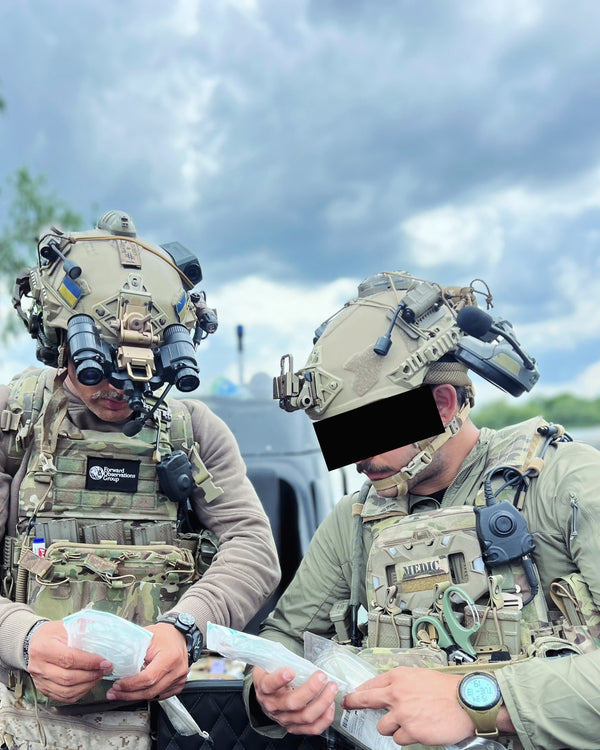
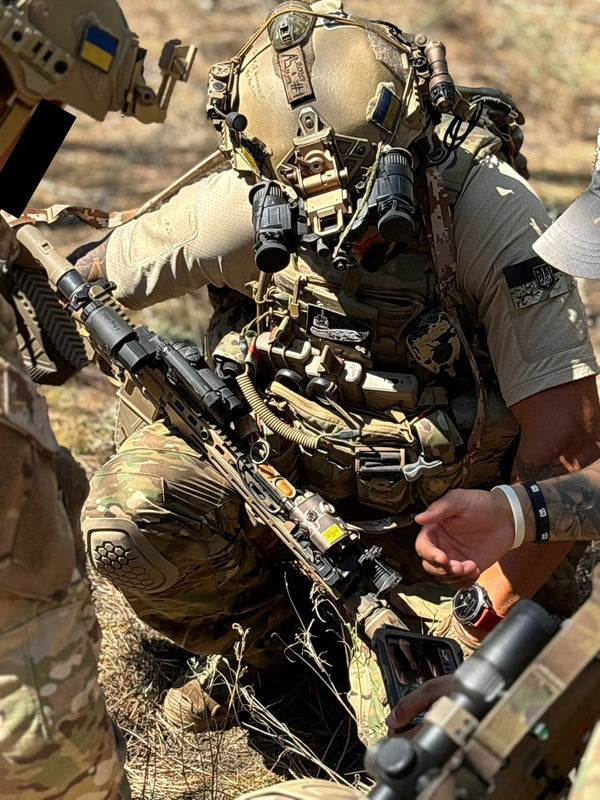
Les casques tactiques modernes sont modulaires : ils accueillent casques audio, supports NVG, lampes, caméras et couvre-casques. Les accessoires typiques incluent :
- Rails et cales de casque pour monter casques audio tactiques, stroboscopes et caméras.
- Support NVG (vision nocturne) et systèmes de contrepoids pour équilibrer les optiques montées à l'avant.
- Lampes de casque avec LED blanches, IR et colorées pour signalisation et éclairage.
- Couvre-casques et panneaux Velcro pour camouflage, patchs d'identification ou poches de rangement discrètes.
- Coussinets de confort et doublures évacuant l'humidité pour gérer la transpiration et améliorer l'ajustement.
Lors du choix des accessoires, assurez-vous qu'ils sont compatibles avec le système de rails et les découpes de montage du casque afin de ne pas compromettre l'intégrité balistique ou le maintien.
Un casque balistique est-il "classé fusil" ?
"Classé fusil" fait généralement référence à une armure certifiée pour arrêter les projectiles de calibre fusil (par exemple, 5,56 mm, 7,62 mm). Les classifications typiques des casques sont :
- NIJ Niveau III-A : protège principalement contre la plupart des balles de pistolet et la fragmentation. Courant pour les casques balistiques souples et de nombreux équipements tactiques.
- Protection contre les fusils : nécessite des plaques rigides ou des coques composites spécifiquement testées contre les balles de fusil (niveaux NIJ supérieurs ou tests spécialisés). La plupart des coques de casques conventionnels ne sont pas classées pour les fusils.
Important : un casque classé NIJ III-A ne stoppera pas de manière fiable les balles de fusil. Si vous avez besoin d'une protection contre les fusils pour la tête, recherchez des solutions spécialisées qui listent explicitement les tests de menace fusil et la norme correspondante.
Bases du casque balistique (mini "wiki")
Voici les fondamentaux à comprendre en un coup d'œil :
- Normes : les protocoles de test NIJ et les spécifications militaires définissent les menaces qu'un casque peut contrer et comment la performance est mesurée (pénétration, vitesse V50 des fragments, déformation arrière).
- Indice de résistance aux fragments V50 : mesure la vitesse à laquelle 50 % des simulants de fragments pénètrent — des chiffres plus élevés signifient une meilleure résistance aux fragments.
- Déformation arrière (BFD) : mesure la déformation maximale sur la surface intérieure après l'impact. Des valeurs plus faibles signifient un risque moindre de traumatisme contondant.
- Ajustement et maintien : un casque bien ajusté avec un système de maintien réglable réduit les blessures secondaires dues au choc et maintient les montures alignées.
- Poids vs protection : plus lourd signifie souvent plus de matériau balistique ; les innovations de conception visent à minimiser le poids tout en maintenant une protection certifiée.
Housse de casque HHV et autres options de housses
"HHV" signifie couramment haute visibilité (HI-VIS) ou peut être un terme spécifique au produit. Les housses de casque varient selon leur usage :
- Housses haute visibilité : couleurs vives ou matériaux réfléchissants utilisés pour le contrôle de la circulation, le sauvetage ou l'entraînement afin de rendre les porteurs facilement visibles.
- Housses tactiques : housses en Cordura ou nylon avec panneaux Velcro, MOLLE et poches pour batteries ou contrepoids ; conçues pour protéger la coque et ajouter des points d'attache.
- Housses profil bas : réduisent les points d'accrochage et cassent la silhouette du casque pour un usage opérationnel.
Lors de la sélection d'une housse, vérifiez que les découpes ou points d'attache s'alignent avec les montures du casque et n'interfèrent pas avec le retrait des NVG ou le fonctionnement des accessoires.
Comment choisir le casque adapté à vos besoins
Considérez ces étapes :
- Définissez l'utilisation principale : entraînement, patrouille, entrée tactique ou protection personnelle.
- Identifiez la menace : protection contre pistolet/éclats (NIJ III-A) vs protection niveau fusil (systèmes spécialisés).
- Vérifiez la compatibilité : rails, capot NVG et ajustement de la housse pour vos accessoires prévus.
- Comparez le poids, les caractéristiques de confort (coussins, matériaux de la doublure) et la qualité du matériel.
- Confirmez les certifications et les données de tests indépendants.
Option suggérée pour une protection, un confort et une modularité équilibrés
Si vous recherchez un casque qui équilibre une protection certifiée NIJ III-A, la compatibilité des accessoires (rails, découpes NVG), une housse Cordura durable avec MOLLE, et un système intégré de lumière et de maintien, considérez ceci comme un choix de base solide :

Conseils finaux
- Vérifiez toujours la classification exacte de la menace pour le casque que vous choisissez — le niveau NIJ et les références des tests sont importants.
- Essayez les casques avec votre casque audio et NVG pour assurer l'ajustement et le confort avant de vous engager.
- Entretenez les casques selon les recommandations du fabricant ; la chaleur, les solvants et les chocs peuvent dégrader les performances balistiques avec le temps.
Choisir le bon casque balistique consiste à associer une protection certifiée aux besoins de la mission tout en garantissant confort et compatibilité des accessoires.