
Technical Specifications & Ballistic Protection
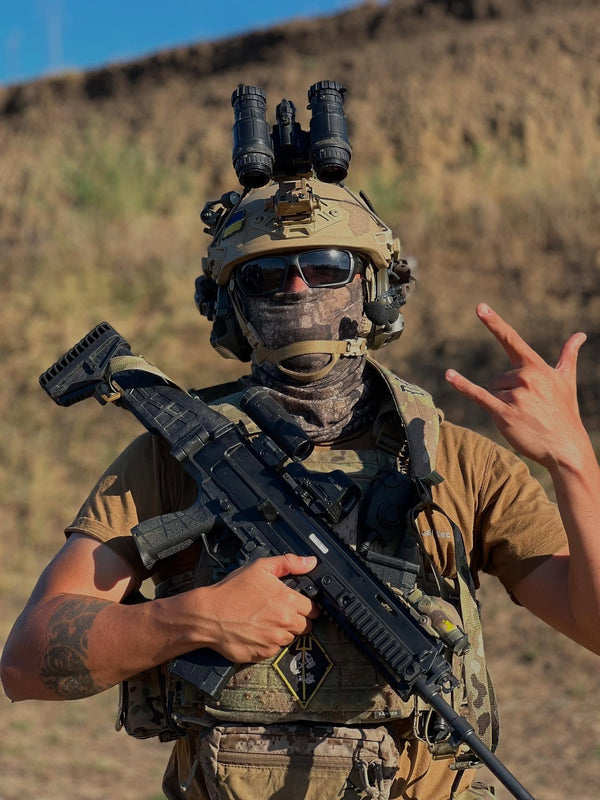
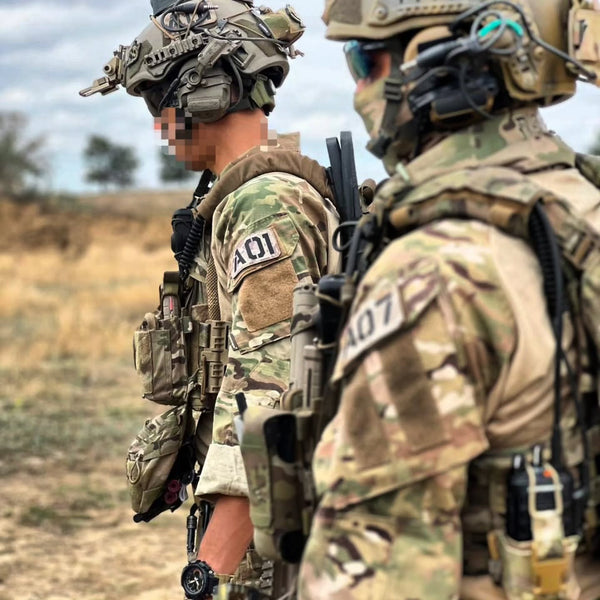
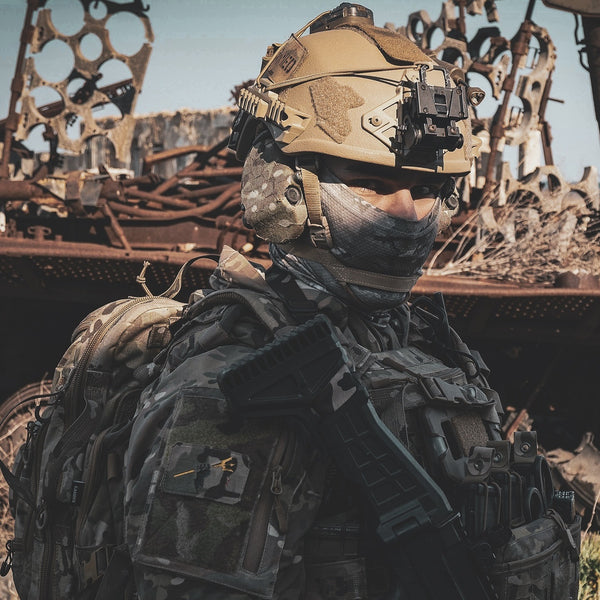
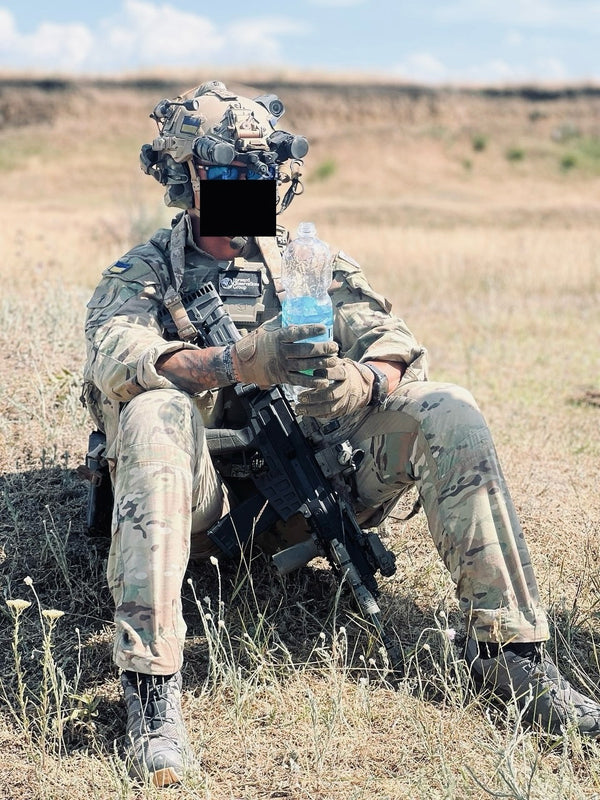
Blender Tactical ballistic helmets are designed to provide reliable protection against the most common real-world threats, including fragmentation, handgun rounds, and blunt impact.

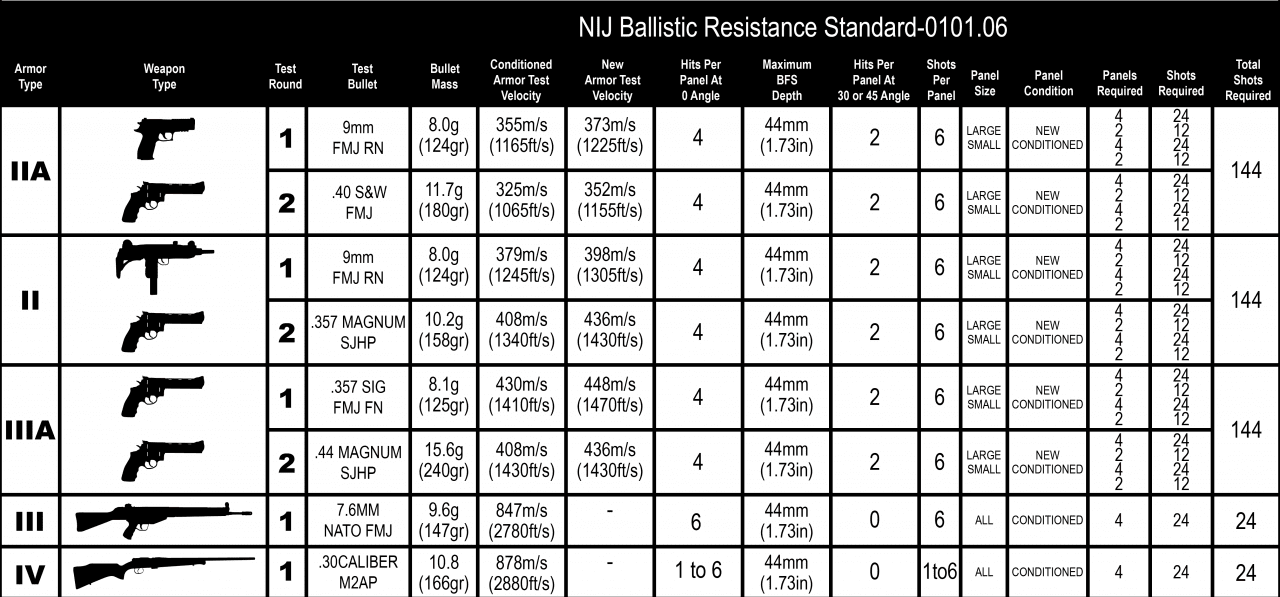
The helmets are built in accordance with NIJ STD 0106.01 — Level IIIA, meaning they are engineered to stop typical handgun threats such as 9×19 mm, .44 Magnum, and .357 SIG. These are the most common ballistic risks encountered in operational environments.
For fragmentation protection, the helmets are tested under NATO STANAG 2920, the NATO methodology used by military suppliers. Test results show a fragmentation resistance of approximately 695 m/s (V50) using a 17-grain projectile — a performance level aligned with modern combat helmets.
Additional validation is performed under DSTU 8835:2019 — Class 1A, confirming resistance against 9mm Makarov and Stechkin rounds, reflecting real battlefield conditions in Ukraine.

The helmet shell is constructed from UHMWPE composite, providing a high strength-to-weight ratio and effective energy absorption while maintaining low weight.
The multi-layer structure is designed to reduce blunt force trauma and works best when combined with trauma pads, keeping Backface Deformation (BFD) below 44 mm.
Each helmet is engineered for multi-hit capability (minimum 4 impacts) under controlled test conditions, ensuring consistent performance in repeated threat scenarios.
With an areal density of 10.1 kg/m², the helmet achieves a balance between protection and mobility, avoiding unnecessary weight while maintaining ballistic performance.
Ballistic Test Reports
All performance claims are supported by documented testing:
- Ukraine Ballistic Test Report
- Poland STANAG 2920 Fragmentation Test
- Additional independent validation
Specifications are based on controlled laboratory testing. Real-world performance may vary depending on conditions.